The quest to discover habitable worlds beyond our solar system has traditionally focused on a deceptively simple concept: find planets orbiting at just the right distance from their host stars. However, groundbreaking new research reveals that supermassive black holes lurking at the centers of galaxies may render planets uninhabitable across vast cosmic distances, even when those worlds orbit comfortably within their star's habitable zone. This paradigm-shifting study, published in The Astrophysical Journal, suggests that the galactic environment plays a far more critical role in determining planetary habitability than previously understood.
Led by Jourdan Waas from the Department of Aerospace, Physics and Space Sciences at the Florida Institute of Technology, this comprehensive investigation examines how active galactic nuclei (AGN)—the intensely energetic regions surrounding feeding supermassive black holes—can devastate planetary atmospheres across enormous stretches of galactic space. The findings challenge our conventional understanding of habitable zones and suggest that vast regions of many galaxies, including potentially our own Milky Way, may be hostile to life as we know it.
Beyond the Goldilocks Zone: Rethinking Planetary Habitability
For decades, astronomers have employed the concept of the circumstellar habitable zone—often called the "Goldilocks Zone"—as the primary criterion for assessing whether an exoplanet might support life. This zone represents the orbital distance range where temperatures allow liquid water to exist on a planet's surface, neither boiling away into space nor freezing solid. Planets like Earth occupy this privileged position around their stars, maintaining conditions suitable for life to flourish.
However, this star-centric view of habitability overlooks the broader galactic context in which planetary systems exist. Recent years have seen increasing attention paid to high-energy astrophysical events that can influence habitability on galactic scales. Supernovae, for instance, have long been recognized as potential sterilizers of nearby worlds, capable of bathing planets in lethal radiation or even stripping away their atmospheres entirely through powerful shock waves. This concern has led researchers to question whether densely packed regions like the Milky Way's central bulge could sustain habitable worlds given the higher frequency of stellar explosions.
Yet supernovae represent only brief, if violent, cosmic outbursts. Far more insidious are the sustained, extreme energies unleashed by supermassive black holes when they actively consume matter—a state known as an active galactic nucleus. While a supernova releases tremendous energy in a matter of weeks, an AGN can maintain far higher energy outputs over millions of years, potentially affecting planetary habitability across entire galactic neighborhoods.
"A clear understanding of the myriad roles of SMBH activity on galactic habitability would help pave the way for gauging the prospects for extraterrestrial habitability and life in the Universe," the research team explains in their paper.
The Devastating Power of Ultrafast Outflows
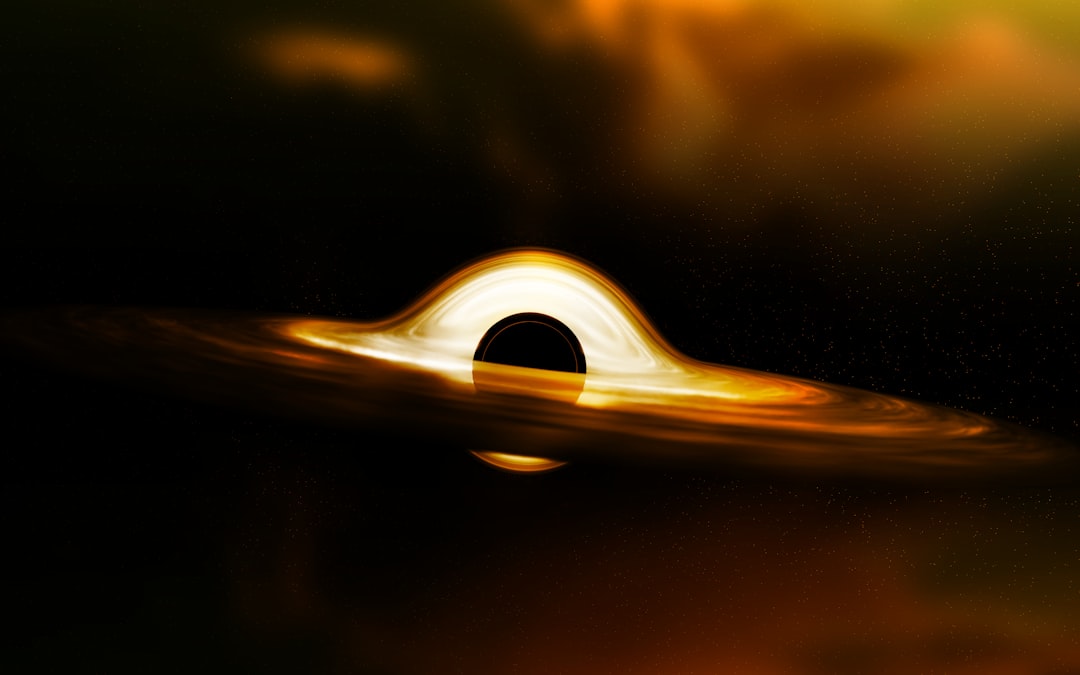
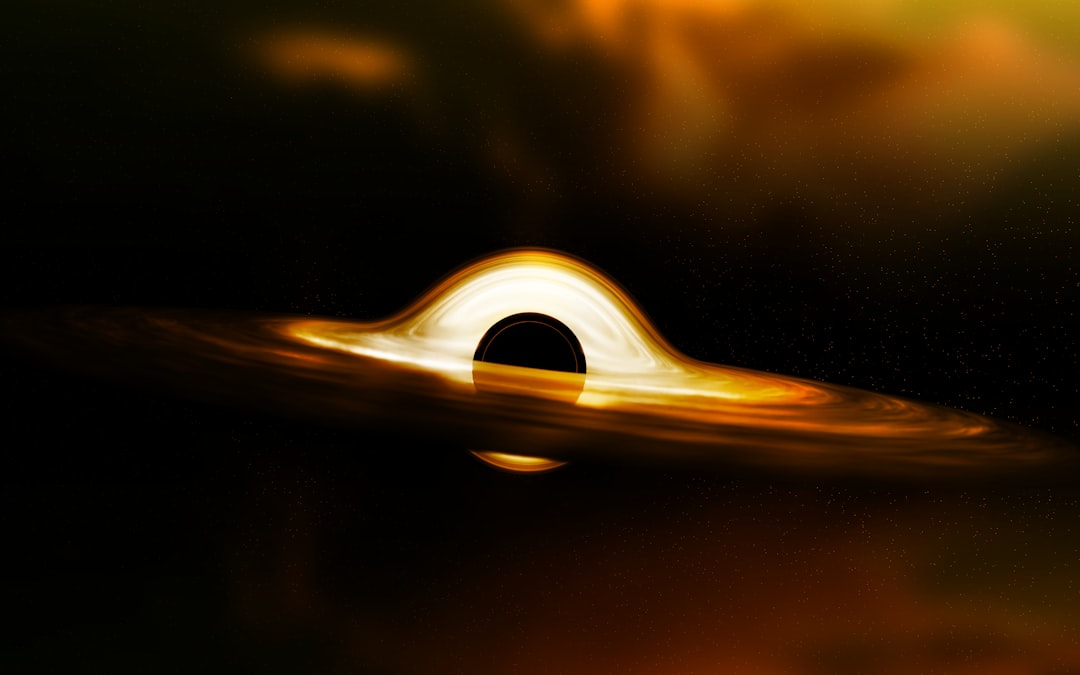
Supermassive black holes, which can possess masses billions of times greater than our Sun, don't simply sit passively at galactic centers. When actively feeding on surrounding matter, they generate ultrafast outflows (UFOs)—winds of material accelerating to approximately 10% the speed of light. These cosmic hurricanes carry kinetic energy capable of profoundly altering their galactic environments, and as this new research demonstrates, they pose an existential threat to planetary atmospheres.
The study specifically examines how these AGN winds interact with exoplanet atmospheres across a range of black hole masses and distances. Through sophisticated modeling, the researchers demonstrate that atmospheric heating, molecular acceleration, and mass loss rates all increase dramatically with the mass of the central supermassive black hole. An Earth-like atmosphere, which seems so robust from our terrestrial perspective, becomes little more than a fragile wisp when confronted by the overwhelming power of AGN winds.
The research reveals two distinct types of AGN winds, each with different implications for planetary habitability: energy-driven winds and momentum-driven winds. Understanding the difference between these mechanisms is crucial to comprehending their effects on distant worlds.
Energy-Driven vs. Momentum-Driven Winds: A Tale of Two Destruction Mechanisms
AGN outflows begin their journey as rapid, small-scale winds launched from the accretion disk surrounding the supermassive black hole. As these winds propagate outward at tremendous velocities, they inevitably collide with the interstellar medium—the gas and dust between stars. This collision creates a complex shock system that determines the wind's subsequent behavior and destructive potential.
When the shocked wind material cools rapidly enough, it cannot expand and transfer its energy effectively to the surrounding medium. In this scenario, the outflow becomes a momentum-driven wind—more confined and less effective at sweeping gas from the galaxy. While still dangerous to planetary atmospheres, momentum-driven winds have a more limited sphere of influence.
Conversely, if the shocked material retains sufficient heat, it behaves like an expanding bubble of superheated gas—an energy-driven wind. These winds prove far more effective at clearing gas from galaxies and, critically for this research, at heating and stripping away exoplanet atmospheres. The study's models consistently show that energy-driven winds inflict substantially greater damage to planetary environments than their momentum-driven counterparts.
Quantifying Atmospheric Destruction Across Galactic Scales
The research team's simulations reveal sobering implications for habitability throughout galaxy interiors. By modeling atmospheric heating as a function of distance from the galactic center and black hole mass, they demonstrate that atmospheric temperature increases can be dramatic, particularly for more massive supermassive black holes. For planets with nitrogen-based atmospheres similar to Earth's, or hydrogen-rich atmospheres like those of young planets, the heating effects extend across kiloparsecs—thousands of light-years—from the galactic center.
Perhaps most concerning is the effect on ozone layers, which on Earth provide crucial protection against harmful ultraviolet radiation. The high-velocity AGN winds, particularly ultrafast outflows traveling at thousands of kilometers per second, generate nitrogen oxides that catalytically destroy ozone molecules. The researchers found that ozone depletion increases dramatically with black hole mass and proximity to the AGN, with nearly complete ozone loss occurring throughout a galaxy's inner regions for supermassive black holes exceeding 100 million solar masses.
The implications are profound. Even if a planet maintains its atmosphere against the direct stripping effects of AGN winds, the loss of its ozone shield would confine any potential life to aquatic environments. Life on Earth only colonized land after atmospheric oxygen accumulated and ozone formed to protect organisms from sterilizing ultraviolet radiation—a process that took billions of years. Planets experiencing continuous ozone depletion from AGN activity might never achieve this milestone.
Key Findings and Their Implications
- Mass-dependent destruction: More massive supermassive black holes produce proportionally more powerful AGN winds, resulting in higher atmospheric heating, greater molecular thermal velocities, and enhanced mass loss from exoplanet atmospheres across larger galactic volumes.
- Extended zones of influence: For the most massive black holes, the effective region of atmospheric disruption extends well beyond the inner galaxy, potentially reaching into the galactic halo in energy-driven wind scenarios—a far larger impact zone than previously suspected.
- Universal ozone depletion: Near-complete ozone loss may represent the most widespread atmospheric consequence of AGN winds, affecting planets throughout most of a galaxy's inner regions and potentially confining life to oceans even on otherwise habitable worlds.
- Distance-dependent effects: All measured effects—atmospheric heating, mass loss, and ozone depletion—diminish with increasing distance from the galactic center, creating a gradient of habitability that favors outer galactic regions.
- Energy-driven dominance: Energy-driven AGN winds consistently prove more destructive than momentum-driven winds across all measured parameters, suggesting that the thermal state of shocked wind material critically determines habitability outcomes.
Redefining the Galactic Habitable Zone
This research suggests that the concept of habitability must expand beyond individual star systems to encompass entire galactic environments. Previous studies have identified XUV-driven atmospheric photoevaporation in the Milky Way's central bulge as a significant threat to habitability. However, these new findings indicate that AGN winds may influence planetary environments at much larger galactocentric distances than radiation-based effects alone, extending the "kill zone" substantially.
The study's authors note an important caveat: if the interstellar medium possesses sufficient density, it could potentially reduce the spatial extent of wind-driven effects. However, this mitigation would not apply to the particle-driven ozone depletion, which represents a separate and equally concerning threat to surface habitability.
"These simulations suggest that, for the most massive SMBHs, the effective region of influence extends well beyond the inner galaxy and potentially includes the galactic halo in the energy-driven scenario," the authors write, highlighting the vast scales over which these effects operate.
Implications for the Search for Extraterrestrial Life
These findings carry significant implications for exoplanet surveys and the search for extraterrestrial life. Astronomers may need to prioritize target selection based not only on stellar characteristics and planetary orbital parameters but also on galactic location. Planets in the outer regions of galaxies, or in galaxies with less massive central black holes, may offer substantially better prospects for habitability than those closer to galactic centers.
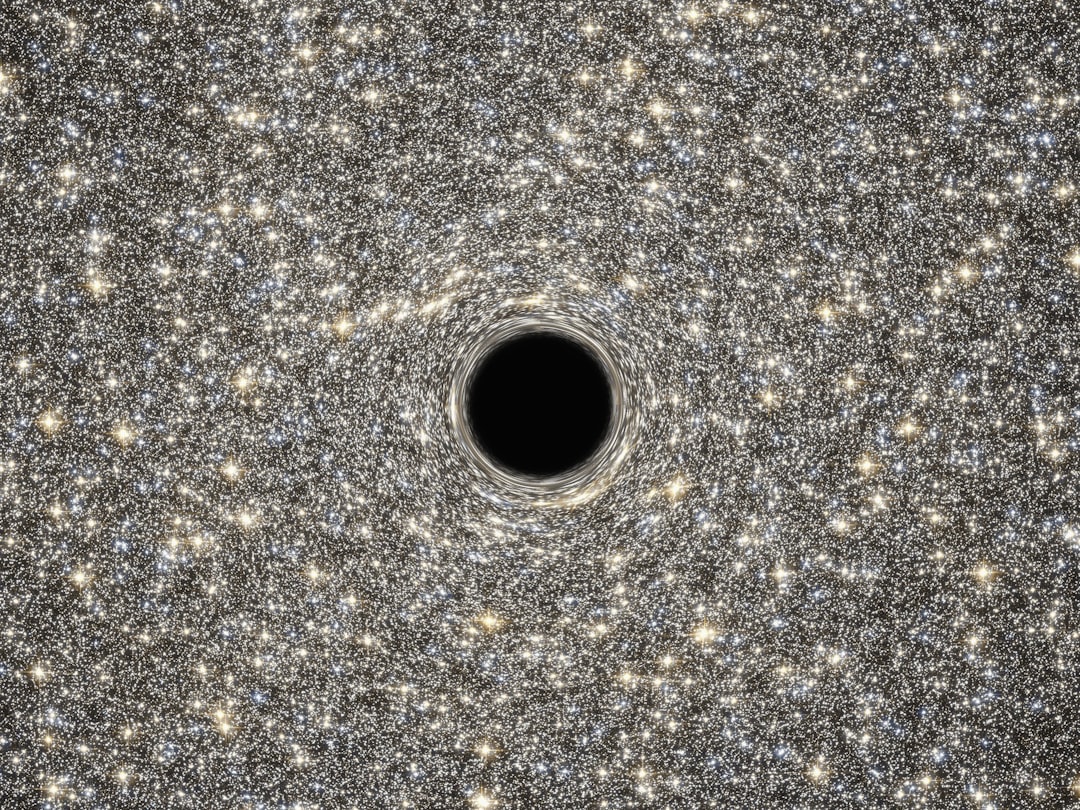
For our own galaxy, the Milky Way's central supermassive black hole, Sagittarius A*, possesses a mass of approximately 4 million solar masses—relatively modest compared to the supermassive black holes in many other galaxies. This may be fortunate for life in our cosmic neighborhood, as the models suggest that more massive black holes would create far more extensive zones of atmospheric disruption.
Future Research Directions and Unanswered Questions
The study's authors acknowledge that their current models do not incorporate radiative effects from AGN activity, which include intense X-ray and ultraviolet emissions. Future research must examine the combined influence of winds and high-energy radiation to develop a comprehensive understanding of the galactic habitable zone. The synergistic effects of these multiple threat vectors may prove even more restrictive for habitability than either factor alone.
Additionally, the research opens questions about the temporal evolution of habitability. Supermassive black holes alternate between active and quiescent states over cosmic timescales. Understanding how these cycles affect long-term habitability—and whether life might emerge during quiet periods only to be extinguished during active phases—represents an important avenue for future investigation.
The role of planetary magnetic fields in protecting atmospheres from AGN winds also warrants further study. Earth's magnetosphere provides crucial protection against the solar wind, and similar magnetic shielding might offer some defense against AGN outflows, though the extreme energies involved suggest this protection would be limited at best.
As our understanding of galactic-scale habitability constraints deepens, missions like the James Webb Space Telescope and future observatories will be better positioned to identify truly promising targets in the search for life beyond Earth. This research reminds us that habitability is not merely a local phenomenon determined by a planet's relationship with its star, but a complex interplay of factors operating across the vast scales of galactic architecture. In the cosmic real estate market, location matters—not just around a star, but within a galaxy.