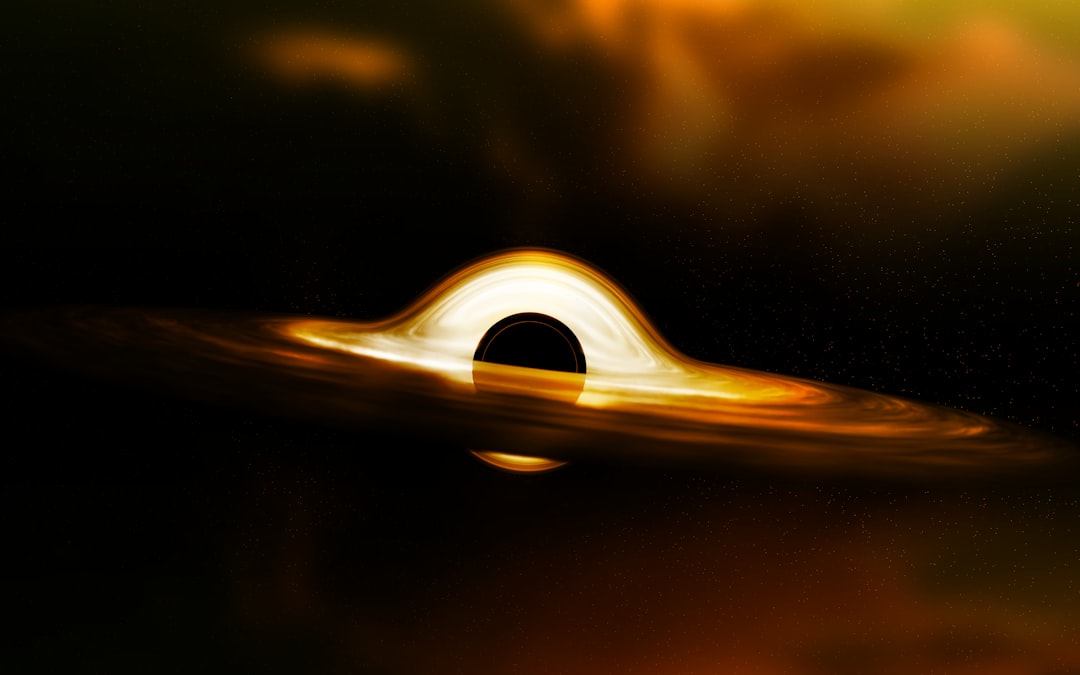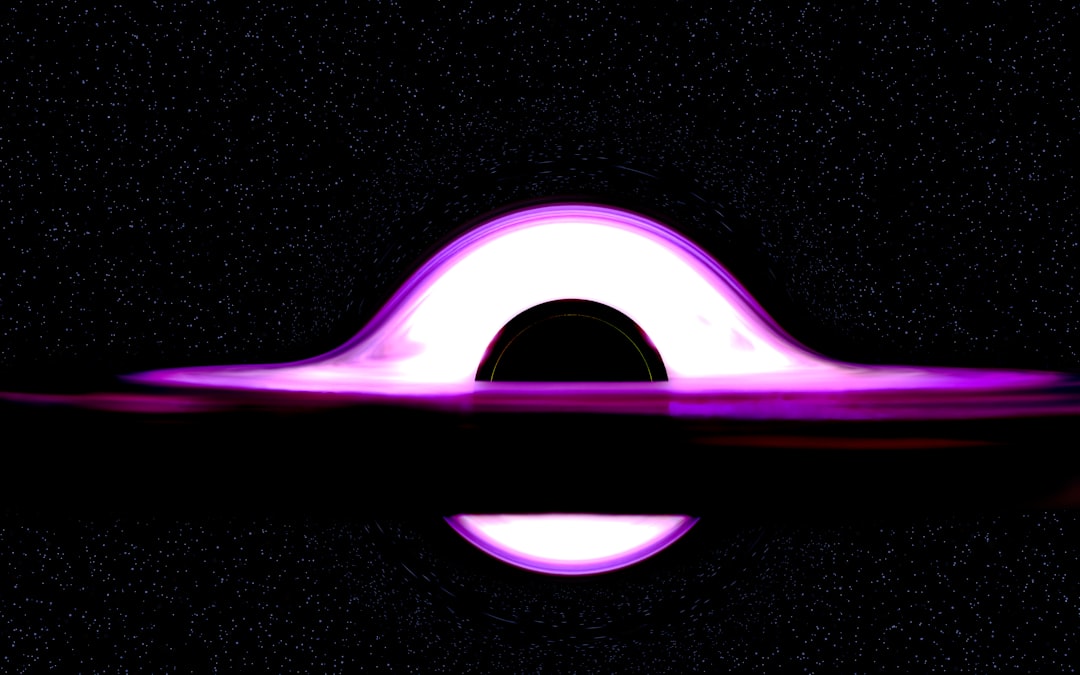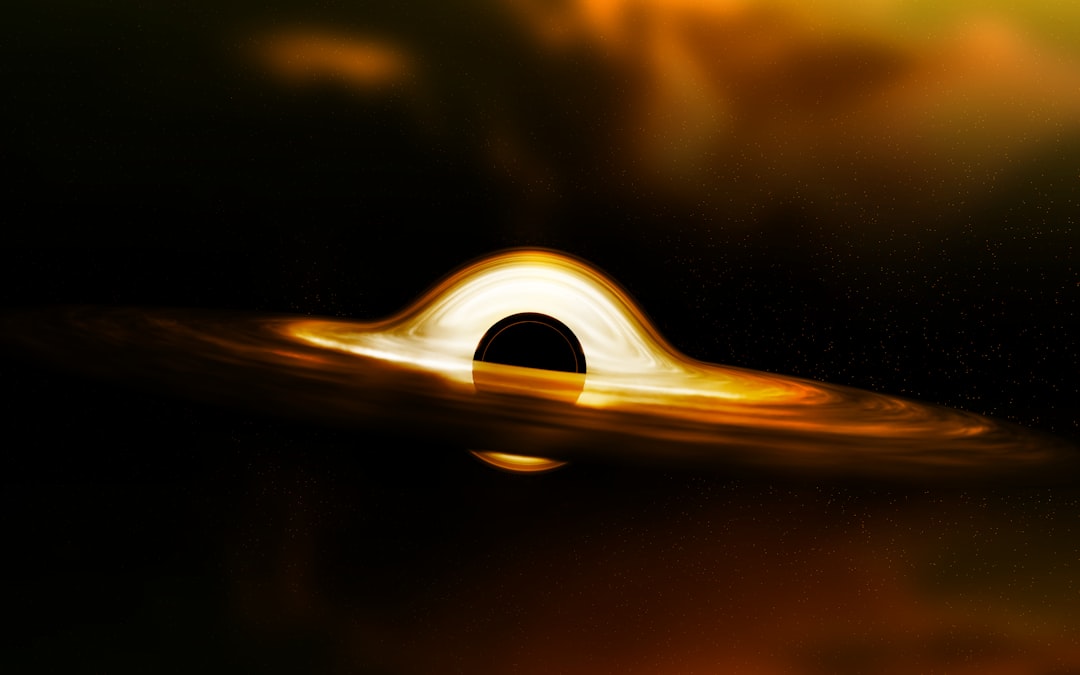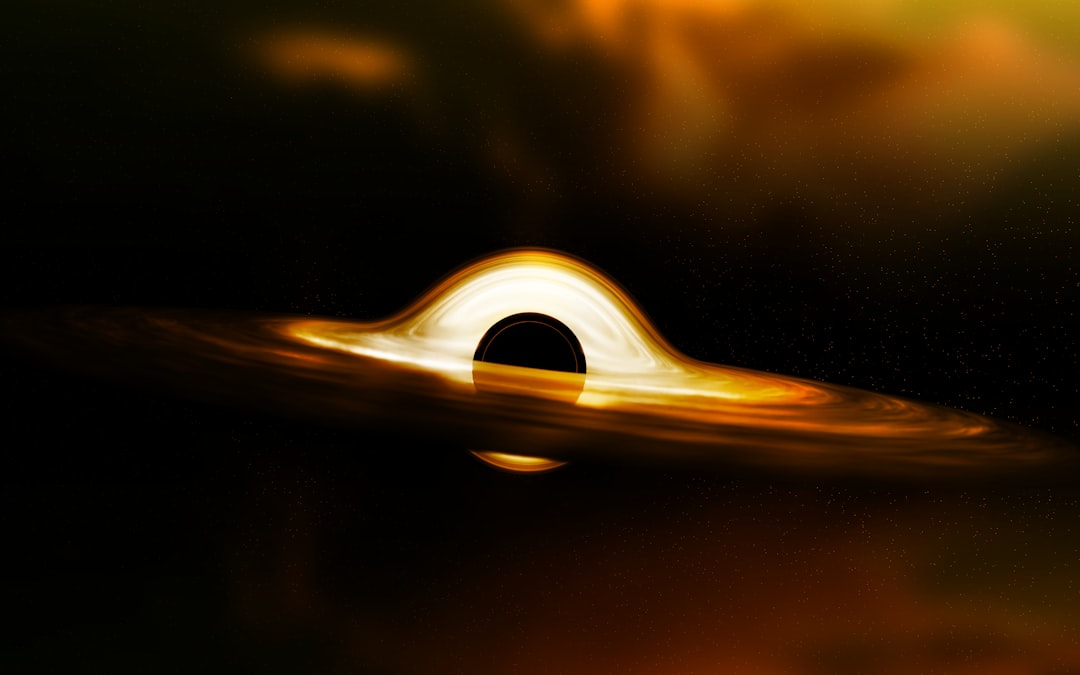
The universe's most massive cosmic monsters are experiencing a dramatic slowdown in their growth, and astronomers have finally pieced together why. Supermassive black holes—those physics-defying giants lurking at the hearts of massive galaxies—are consuming matter at a fraction of their former voracious rate. New research combining observations from multiple X-ray observatories reveals that these cosmic behemoths are essentially being starved of their preferred fuel: cold gas. This discovery, published in The Astrophysical Journal, helps solve one of the most persistent mysteries in modern astrophysics and provides crucial insights into how galaxies and their central black holes evolve together over cosmic time.
The findings emerge from an unprecedented survey analyzing approximately 1.3 million galaxies and 8,000 supermassive black holes, utilizing data from NASA's Chandra X-ray Observatory, the European Space Agency's XMM-Newton telescope, and Germany's eROSITA mission. Led by Zhibo Yu, a graduate student at Pennsylvania State University's Department of Astronomy and Astrophysics, the research team employed sophisticated analytical techniques to trace the growth history of supermassive black holes across billions of years of cosmic evolution.
What makes this research particularly compelling is its focus on a phenomenon astrophysicists call "AGN downsizing"—the dramatic decline in black hole feeding activity that has occurred since the universe's most productive era. Understanding why these cosmic engines have throttled back their consumption provides critical clues about the intricate relationship between galaxies and their central black holes, a connection that appears to govern the evolution of both structures throughout cosmic history.
The Golden Age of Black Hole Growth
To appreciate the magnitude of this slowdown, we must first understand the universe's most productive period: Cosmic Noon. This extraordinary epoch, spanning from approximately 2 billion to 4 billion years after the Big Bang, witnessed the universe at its most dynamic. During this time, corresponding to redshifts between z ≈ 1.5 and 2, supermassive black holes grew at astonishing rates, simultaneously with peak star formation activity throughout the cosmos.
The term "Cosmic Noon" is more than just poetic language—it represents a fundamental transition point in universal evolution. At this time, roughly 9.5 to 10.5 billion years ago, the universe was only 3 to 4 billion years old, yet it was already producing structures and phenomena at rates never again matched in cosmic history. Active galactic nuclei (AGN)—the brilliant beacons created when supermassive black holes actively consume matter—were far more numerous and luminous during this period than they are today.
Advanced infrared telescopes, particularly the James Webb Space Telescope, have allowed astronomers to peer back to these early epochs with unprecedented clarity. What they've discovered challenges our understanding of how these massive objects grow and evolve. The observations reveal that high-luminosity AGN were significantly more common at higher redshifts, indicating that supermassive black holes were feeding much more aggressively in the early universe.
The Wedding Cake Approach: Revolutionary Survey Methodology
One of the most innovative aspects of this research is its "wedding-cake design" methodology, which combines data from surveys with vastly different characteristics. This tiered approach proved essential for constructing a comprehensive picture of black hole growth across cosmic time.
The bottom and middle tiers of this metaphorical cake consist of wide, shallow surveys conducted by XMM-Newton and eROSITA. These missions scanned vast swaths of sky, identifying thousands of AGN but with less sensitivity to faint, distant objects. The top tier comes from Chandra's deep observations, which, while covering smaller areas, can detect much fainter and more distant growing supermassive black holes. This combination allowed the research team to sample black holes across a wide range of masses, distances, and activity levels.
"By combining these data from different X-ray telescopes, we can construct a better picture of how these black holes are growing than any one telescope could do alone. We can find out why over ten billion years the growth of supermassive black holes has gone from hectic to leisurely to glacial," explained co-author Fan Zou of the University of Michigan.
The power of X-ray observations in this research cannot be overstated. When a supermassive black hole actively accretes material, the infalling matter forms a rotating accretion disk around the black hole. As material in this disk spirals inward, gravitational forces compress and heat it to millions of degrees, causing it to emit intense X-ray radiation. By measuring the X-ray brightness of AGN at different cosmic epochs, astronomers can directly gauge how rapidly supermassive black holes are consuming matter and growing in mass.
Three Competing Hypotheses for the Cosmic Slowdown
The research team investigated three distinct explanations for why supermassive black hole growth has declined so dramatically since Cosmic Noon:
- Slower Accretion Rates: Perhaps individual black holes are simply consuming matter more slowly than they did in the past, even when actively feeding. This could result from changes in the physical conditions of the gas surrounding black holes or alterations in the mechanisms that funnel material toward them.
- Lower Typical Masses: Maybe the population of actively growing black holes in the modern universe consists of less massive objects on average. If smaller black holes dominate current AGN populations, this could explain the overall reduction in X-ray luminosity observed.
- Fewer Active Black Holes: Alternatively, the total number of actively accreting supermassive black holes might have decreased dramatically. Even if individual black holes feed at similar rates, fewer active AGN would produce the observed decline in overall growth.
Distinguishing between these scenarios presented significant challenges. A fundamental complication arises from the fact that X-ray luminosity alone cannot uniquely identify a black hole's mass or accretion rate. A high-mass black hole accreting slowly can produce similar X-ray emissions to a low-mass black hole feeding rapidly. This degeneracy made it essential to combine X-ray data with observations at other wavelengths.
The research team supplemented their X-ray observations with optical and infrared data, which provided independent measurements of black hole masses and accretion rates. Optical spectroscopy can reveal the velocities of gas clouds orbiting near black holes, allowing astronomers to estimate their masses through gravitational dynamics. Infrared observations help identify the host galaxies and measure their properties, including stellar mass and star formation rates.
The Verdict: A Universe Running Out of Fuel
After comprehensive analysis of their multi-wavelength dataset, Yu and colleagues found that the first hypothesis—slower accretion rates—best explains the observed decline in supermassive black hole growth. Modern supermassive black holes are simply not consuming matter as rapidly as their counterparts did during Cosmic Noon, and the reason appears to be straightforward: they're running out of food.
Supermassive black holes preferentially feed on cold gas—the same material that forms stars. During Cosmic Noon, the universe contained abundant reservoirs of cold, dense gas that could efficiently funnel into both star-forming regions and the accretion disks around supermassive black holes. However, as the universe aged, multiple processes depleted these cold gas reservoirs. Stars themselves consumed vast quantities of this material, converting it into stellar mass. Additionally, energetic feedback from both supernova explosions and AGN activity heated and dispersed gas, making it less available for either star formation or black hole accretion.
"It appears that black holes' consumption of material has greatly slowed down as the universe has aged. This is probably because the amount of cold gas available for them to ingest has decreased since cosmic noon," said co-author Niel Brandt of Penn State University.
This finding aligns beautifully with observations of cosmic star formation history. The rate at which the universe forms new stars has also declined dramatically since Cosmic Noon, following a remarkably similar trajectory to the decline in black hole growth. This parallel evolution supports the idea that supermassive black holes and their host galaxies are intimately connected, evolving in a coordinated manner throughout cosmic history.
The Galaxy-Black Hole Connection
The research has profound implications for understanding galaxy-black hole coevolution, one of the most important topics in modern astrophysics. Astronomers have long known that tight correlations exist between a supermassive black hole's mass and various properties of its host galaxy, including the mass of the galactic bulge and the velocity dispersion of stars in the galaxy's central regions. These relationships suggest that galaxies and their central black holes don't evolve independently but rather influence each other's growth through complex feedback mechanisms.
The new findings provide crucial constraints on models of this coevolution. They suggest that the availability of cold gas serves as a common regulator for both star formation and black hole growth. As the universe's cold gas supply dwindled after Cosmic Noon, both processes declined in lockstep. This shared dependence on cold gas may explain why galaxy and black hole properties remain so tightly correlated despite the vastly different physical scales involved—galaxies span hundreds of thousands of light-years, while black hole event horizons measure only billions of kilometers.
Research from institutions like the European Southern Observatory has shown that AGN feedback—the energy and momentum injected into galaxies by actively feeding black holes—can heat and expel gas from galaxies, potentially regulating both star formation and subsequent black hole growth. The new results suggest that this feedback may have been particularly important during and after Cosmic Noon, helping to shut down the era of rapid growth.
Implications for Future Cosmic Evolution
The research also provides insights into the future evolution of supermassive black holes and their host galaxies. If cold gas depletion is the primary driver of the growth slowdown, we can predict that supermassive black holes in the modern universe will continue to grow only slowly, with occasional bursts of activity triggered by events like galaxy mergers that can funnel fresh gas supplies toward central black holes.
Our own Milky Way galaxy exemplifies this modern, quiescent state. Sagittarius A*, the supermassive black hole at our galaxy's center, has a mass of approximately 4 million solar masses but is remarkably inactive, accreting matter at an extremely low rate. Observations from NASA's Chandra X-ray Observatory show that Sgr A* emits only feeble X-rays, confirming its near-dormant state. This stands in stark contrast to the powerful AGN observed at high redshifts during Cosmic Noon.
Looking forward, upcoming observatories will build upon these findings. The ESA's Athena X-ray Observatory, scheduled for launch in the 2030s, will provide even more sensitive X-ray observations, potentially detecting the faintest AGN and tracing black hole growth to even earlier cosmic epochs. Meanwhile, next-generation radio telescopes like the Square Kilometre Array will map cold gas distributions in distant galaxies, directly testing the hypothesis that gas depletion drives the decline in black hole growth.
Broader Scientific Context and Remaining Questions
While this research represents a major step forward in understanding supermassive black hole evolution, important questions remain. Scientists still debate the precise mechanisms that transport gas from galactic scales down to the immediate vicinity of supermassive black holes. Understanding these gas inflow processes is crucial for predicting when and how rapidly black holes can grow, even in gas-poor environments.
Additionally, the role of black hole mergers in supermassive black hole growth remains incompletely understood. When galaxies merge, their central black holes eventually spiral together and merge, creating a single, more massive black hole. Gravitational wave observatories are beginning to detect these mergers, providing complementary information about black hole growth mechanisms. Future observations from space-based gravitational wave detectors like LISA will reveal mergers of supermassive black holes, helping to quantify this contribution to black hole growth.
"A longstanding mystery has been the cause of this big slowdown. With these X-ray data and supporting observations at other wavelengths, we can test different ideas and narrow down the answer," noted lead author Zhibo Yu.
The research also highlights the importance of multi-wavelength astronomy in solving complex astrophysical problems. By combining X-ray, optical, and infrared observations from multiple telescopes and surveys, astronomers can construct a more complete picture than any single instrument could provide. This approach will become increasingly important as new facilities come online, each offering unique capabilities for studying the universe.
As we continue to probe deeper into cosmic history with ever more powerful telescopes, we're assembling a comprehensive narrative of how the universe evolved from its chaotic, productive youth during Cosmic Noon to the more sedate, mature cosmos we observe today. Understanding why supermassive black holes have slowed their growth provides a crucial piece of this cosmic puzzle, revealing how the interplay between gas, stars, and black holes has shaped the universe over billions of years of evolution.