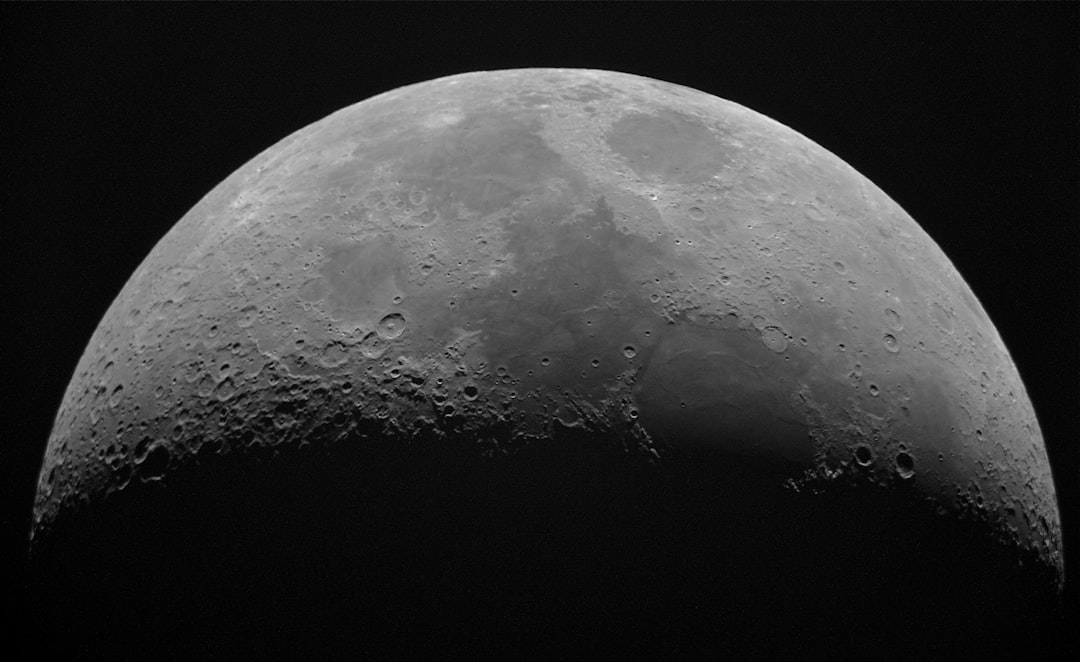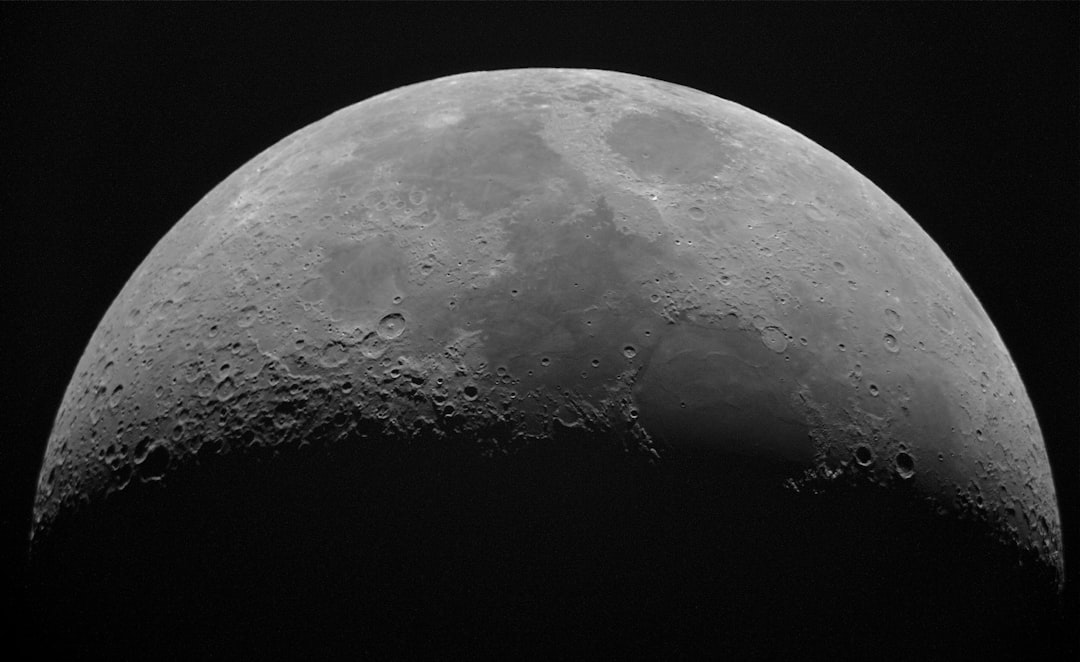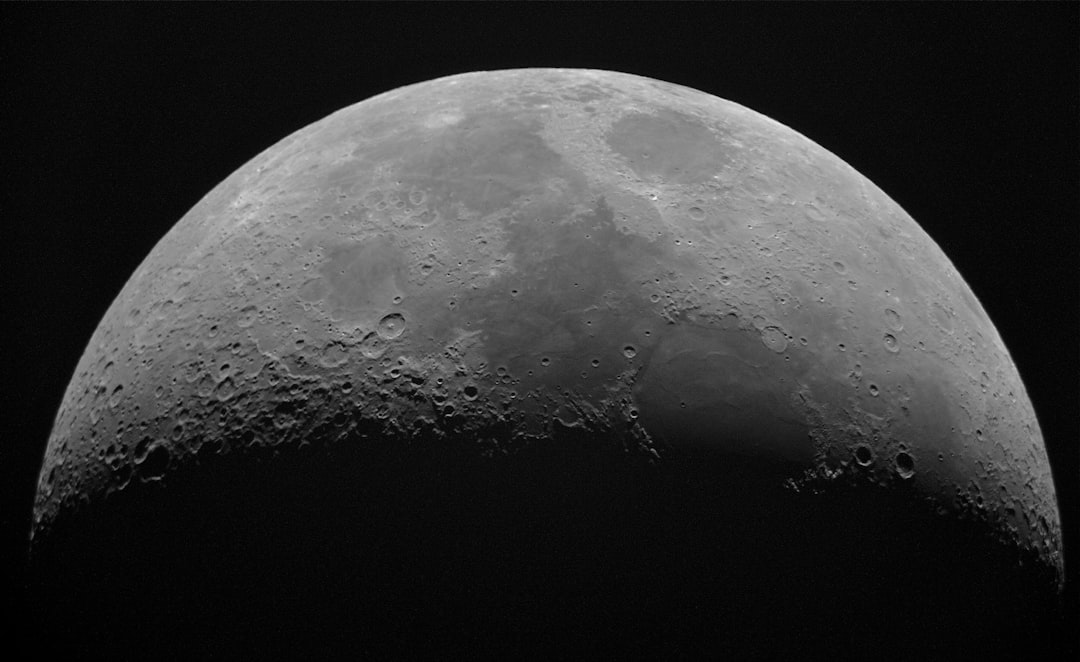
In a momentous achievement that marks humanity's return to deep space exploration, the Artemis II mission successfully launched from Kennedy Space Center's historic Launch Pad 39B at 6:25 p.m. EDT on April 1st. The four-person crew—Commander Reid Wiseman, Pilot Victor Glover, Mission Specialist Christina Koch, and Canadian Space Agency astronaut Jeremy Hansen—embarked on an ambitious ten-day journey that will take them farther from Earth than any humans have traveled in over half a century. This landmark mission represents the first crewed venture beyond Low Earth Orbit (LEO) since the Apollo era concluded in 1972, ushering in what NASA calls the "Artemis Generation" of lunar exploration.
The significance of this launch extends far beyond its technical achievements. As the spacecraft named Integrity climbed skyward atop the world's most powerful operational rocket, it carried with it the aspirations of a new era in space exploration—one that promises not just brief visits to the Moon, but the establishment of sustained human presence on and around our nearest celestial neighbor. The mission serves as a comprehensive operational test of all systems required for future lunar surface missions, including manual piloting capabilities that will prove essential when astronauts rendezvous with lunar landers in upcoming missions.
Building upon the groundbreaking success of the uncrewed Artemis I mission, which validated the core hardware systems through a 25-day circumlunar flight, Artemis II introduces the critical human element. The crew will periodically assume manual control of Integrity, testing the spacecraft's responsiveness and handling characteristics under real flight conditions—data that cannot be fully replicated through ground simulations or automated operations alone.
Launch Sequence: A Symphony of Precision Engineering
The launch sequence of the Space Launch System (SLS) unfolded with remarkable precision, showcasing the culmination of decades of aerospace engineering advancement. The twin solid rocket boosters, each standing 177 feet tall and containing over 1.1 million pounds of propellant, ignited first in a spectacular display of controlled power. These boosters delivered more than 75% of the total thrust during the critical first two minutes of ascent, generating approximately 7.2 million pounds of thrust combined—enough force to lift the 5.75-million-pound vehicle off the launch pad and through the densest portions of Earth's atmosphere.
Simultaneously, the four RS-25 engines—upgraded versions of the legendary Space Shuttle Main Engines—roared to life at the base of the Core Stage. These engines, each capable of producing 512,000 pounds of thrust at sea level, burned a super-cooled mixture of liquid hydrogen and liquid oxygen, maintaining full thrust throughout the ascent phase. The engineering heritage of these engines, which collectively powered 135 Space Shuttle missions, provides an additional layer of reliability and flight-proven performance to the Artemis program.
At 6:37 p.m. EDT, precisely 12 minutes into the flight, the solid rocket boosters completed their burn and separated from the Core Stage at an altitude of approximately 27 miles. One minute later, having cleared the thickest atmospheric layers where aerodynamic stress peaks, the Launch Abort System (LAS) jettisoned from atop the Orion spacecraft. This critical safety system, designed to pull the crew capsule away from the rocket in case of emergency during ascent, had successfully completed its protective role, and its separation reduced unnecessary mass as Integrity continued toward orbit.
Orbital Insertion and Spacecraft Deployment
Main engine cutoff occurred at 6:43 p.m. EDT, marking the end of the Core Stage's propulsive phase after burning through 733,000 gallons of propellant. The massive Core Stage then separated from the Interim Cryogenic Propulsion Stage (ICPS) and the Orion spacecraft, beginning its controlled descent toward a planned splashdown in the Atlantic Ocean. The ICPS, powered by a single RL10 engine producing 24,750 pounds of thrust, then fired to circularize the orbit and position Integrity for its subsequent maneuvers.
By 6:59 p.m. EDT, a critical milestone was achieved as the spacecraft deployed its four Solar Array Wings (SAWs) from the European Service Module (ESM). These arrays, provided by the European Space Agency as part of international collaboration on the Artemis program, span over 62 feet when fully extended and generate approximately 11.1 kilowatts of electrical power. This power generation capability is essential for operating Integrity's life support systems, avionics, communications equipment, and propulsion controls throughout the mission.
The ESM itself represents a technological marvel, providing propulsion, thermal control, electrical power, and consumables storage for the crew. Built by Airbus Defence and Space for ESA, the module contains 8.6 metric tons of propellant, 240 kilograms of breathable air, and 270 kilograms of water for the crew. Its main engine, capable of 6,000 pounds of thrust, along with 32 smaller reaction control thrusters, provides the spacecraft with precise maneuvering capabilities essential for navigation and orbital adjustments.
Historic Postlaunch Declarations and Mission Significance
During the postlaunch news conference held at 8:00 p.m. EDT, NASA Administrator Jared Isaacman addressed the assembled media and NASA workforce with words that captured the historic magnitude of the moment:
"After a brief 54-year intermission, NASA is back in the business of sending people to the Moon. We have arrived at this point through a sustained effort and national commitment, the work of thousands across the agency, our industry partners, and our international allies. I want to personally thank the ground crews, pad controllers, and the entire workforce here at Kennedy Space Center. This mission belongs as much to you as it does to the crew."
Isaacman's remarks underscore the collaborative nature of the Artemis program, which involves contributions from commercial partners including SpaceX, Blue Origin, and Lockheed Martin, as well as international space agencies from Canada, Europe, Japan, and other nations. This global cooperation represents a fundamental shift from the competitive space race of the 1960s to a more inclusive, partnership-based approach to space exploration that leverages the strengths and capabilities of multiple nations and organizations.
Critical Proximity Operations Demonstration
At 11:37 p.m. EDT, the crew achieved another significant milestone by successfully completing the proximity operations demonstration, one of the mission's most technically demanding early objectives. During this 70-minute exercise, Commander Wiseman and Pilot Glover manually guided Integrity through a carefully choreographed series of approach and retreat maneuvers, using the detached ICPS as a reference target. This test simulated the precise navigation and control required when the spacecraft must rendezvous with other vehicles in the lunar environment.
The data collected during this demonstration is invaluable for future Artemis missions, particularly for operations involving the Human Landing System (HLS). During Artemis III, the crew will perform an orbital rendezvous test with the lunar lander in orbit around the Moon. Artemis IV and V will then execute the first actual docking maneuvers with HLS vehicles, enabling astronauts to transfer from Orion to the lander for descent to the lunar surface. The manual piloting skills demonstrated during Artemis II provide confidence that crews can successfully execute these complex maneuvers even if automated systems experience anomalies.
Translunar Injection: Setting Course for the Moon
Earlier on launch day, at 9:15 a.m. EDT, NASA announced that Integrity had successfully completed its Perigee Raise Maneuver (PRM), adjusting the lowest point of its Earth orbit to optimize fuel efficiency for the upcoming translunar injection burn. This careful orbital mechanics choreography ensures that the spacecraft arrives at the Moon with sufficient propellant reserves for all planned maneuvers and maintains adequate margins for contingency operations.
The mission management team subsequently cleared the spacecraft for the critical Apogee Raise Burn (ARB), scheduled for 7:49 p.m. EDT. During this maneuver, the ESM's main engine will fire for five minutes and 49 seconds, accelerating Integrity to approximately 24,500 miles per hour—the velocity required to escape Earth's gravitational influence and enter a trajectory toward the Moon. This translunar injection burn represents the point of no return, committing the crew to their circumlunar journey and the ten-day mission profile.
Key Mission Objectives and Testing Parameters
- Manual Flight Control Validation: The crew will exercise manual control authority over Integrity during multiple phases of flight, testing the spacecraft's handling characteristics, control responsiveness, and the crew interface systems under actual spaceflight conditions
- Life Support Systems Performance: Continuous monitoring and evaluation of the Environmental Control and Life Support System (ECLSS) will verify its ability to maintain habitable conditions for four crew members over an extended deep space mission
- Communications Architecture Testing: The mission will stress-test NASA's Deep Space Network communications infrastructure, validating data transmission rates, voice communications quality, and telemetry reliability at lunar distances
- Radiation Exposure Monitoring: Sophisticated dosimetry equipment will measure radiation exposure levels beyond Earth's protective magnetosphere, providing critical data for crew health planning on future long-duration lunar missions
- Thermal Management Validation: The spacecraft's thermal control systems will be evaluated across the extreme temperature variations encountered during the mission, from direct solar heating to the cold darkness of space
The Broader Context: Artemis Program Vision
The Artemis II mission represents a pivotal stepping stone in NASA's ambitious plan to establish a sustainable human presence on and around the Moon by the end of this decade. Unlike the Apollo program, which conducted brief exploratory missions, Artemis aims to build the infrastructure necessary for long-term lunar exploration, scientific research, and eventual human missions to Mars. The program's architecture includes the Lunar Gateway, a small space station that will orbit the Moon and serve as a staging point for surface missions, and the development of habitats and rovers that will enable extended surface operations.
The inclusion of Canadian astronaut Jeremy Hansen on the Artemis II crew symbolizes the international character of this endeavor. Canada's contribution to the program includes the development of Canadarm3, an advanced robotic system that will be installed on the Lunar Gateway, continuing Canada's legacy of providing critical robotics systems for space exploration that began with the Space Shuttle program's Canadarm.
The mission also carries profound implications for inspiring the next generation of scientists, engineers, and explorers. Christina Koch's participation makes her the first woman to travel beyond Low Earth Orbit, while Victor Glover becomes the first person of color to embark on a lunar mission—milestones that reflect NASA's commitment to diversity and inclusion in space exploration.
Real-Time Mission Coverage and Public Engagement
NASA continues to provide comprehensive 24/7 coverage of the Artemis II mission through its official YouTube channel, offering the public unprecedented access to this historic journey. Live feeds from mission control, crew communications, and onboard cameras allow viewers worldwide to experience the mission alongside the astronauts. Detailed updates, technical briefings, and educational content are also available through the Artemis II NASA Blog, ensuring that the scientific and engineering communities, as well as space enthusiasts of all ages, can follow every aspect of this groundbreaking mission.
This commitment to transparency and public engagement reflects NASA's recognition that space exploration belongs to all humanity. By sharing the challenges, triumphs, and discoveries of the Artemis program in real-time, the agency fosters public support for continued investment in space science and technology while inspiring countless individuals to pursue careers in STEM fields.
As Integrity and its crew continue their journey toward the Moon, the world watches with anticipation. The success of Artemis II will pave the way for Artemis III's planned lunar landing, marking humanity's return to the lunar surface for the first time since Apollo 17 in December 1972. Beyond that, the lessons learned and technologies validated during this mission will inform not only future lunar exploration but also the eventual human journey to Mars—the next giant leap in humanity's ongoing quest to explore the cosmos.