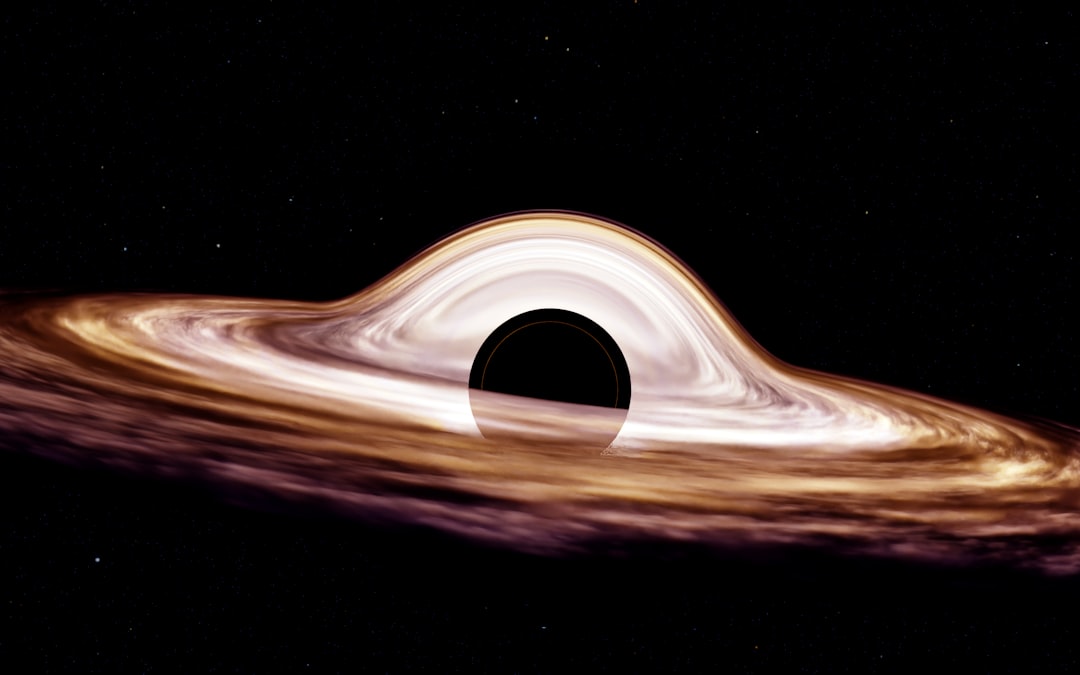
In the vast cosmic landscape, nearly every massive galaxy harbors a supermassive black hole at its center—gravitational behemoths containing millions to billions of times the mass of our Sun. These cosmic giants typically remain dormant, silently accreting material from their surroundings while emitting minimal radiation. Yet a select few undergo a spectacular transformation, erupting into brilliant active galactic nuclei (AGN) that can outshine entire galaxies. For decades, astrophysicists have grappled with a fundamental question: what triggers these dramatic awakenings? A groundbreaking study utilizing data from the European Space Agency's Euclid space telescope now provides compelling evidence that violent galactic collisions serve as the primary catalyst for these cosmic fireworks displays.
The research, conducted by scientists at the SRON Netherlands Institute for Space Research, represents a quantum leap in our understanding of black hole activation mechanisms. By analyzing an unprecedented dataset covering one million galaxies—dozens of times larger than any previous investigation—the team has definitively linked galaxy mergers to the awakening of dormant supermassive black holes. This discovery not only resolves a longstanding astronomical debate but also illuminates the complex interplay between galactic evolution and black hole growth throughout cosmic history.
The Mechanics of Black Hole Awakening
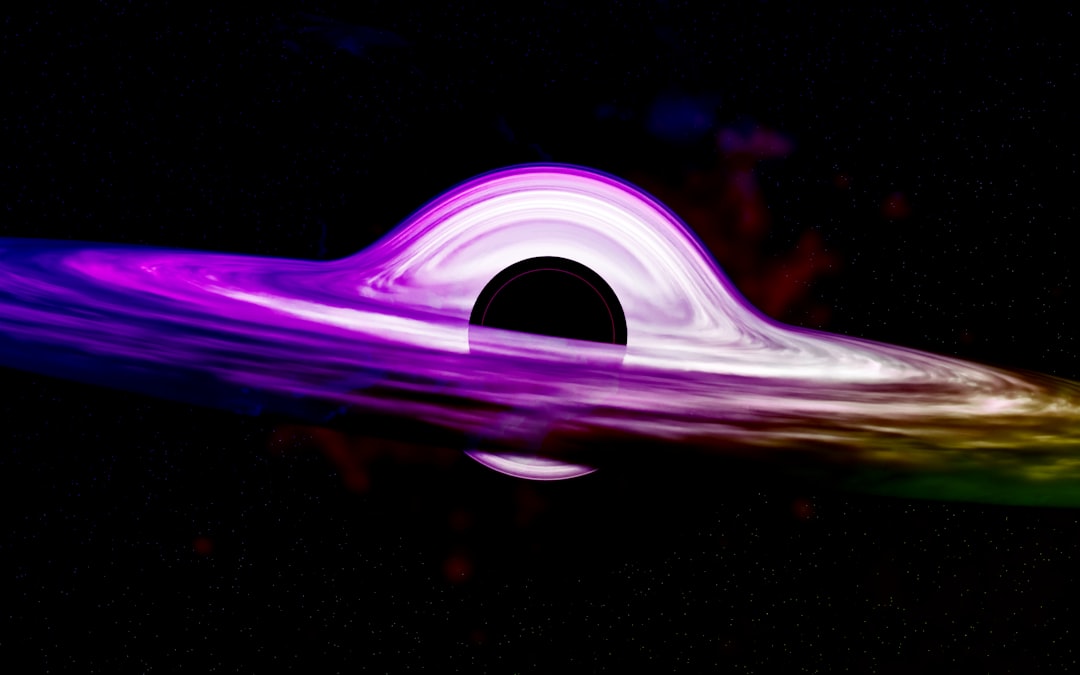
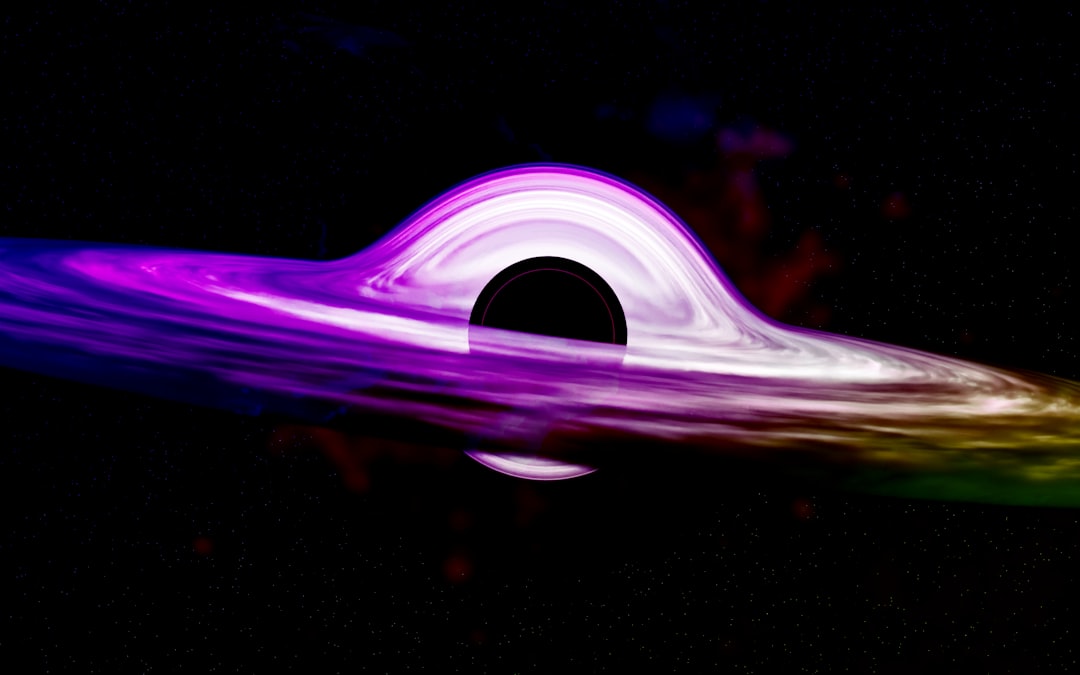
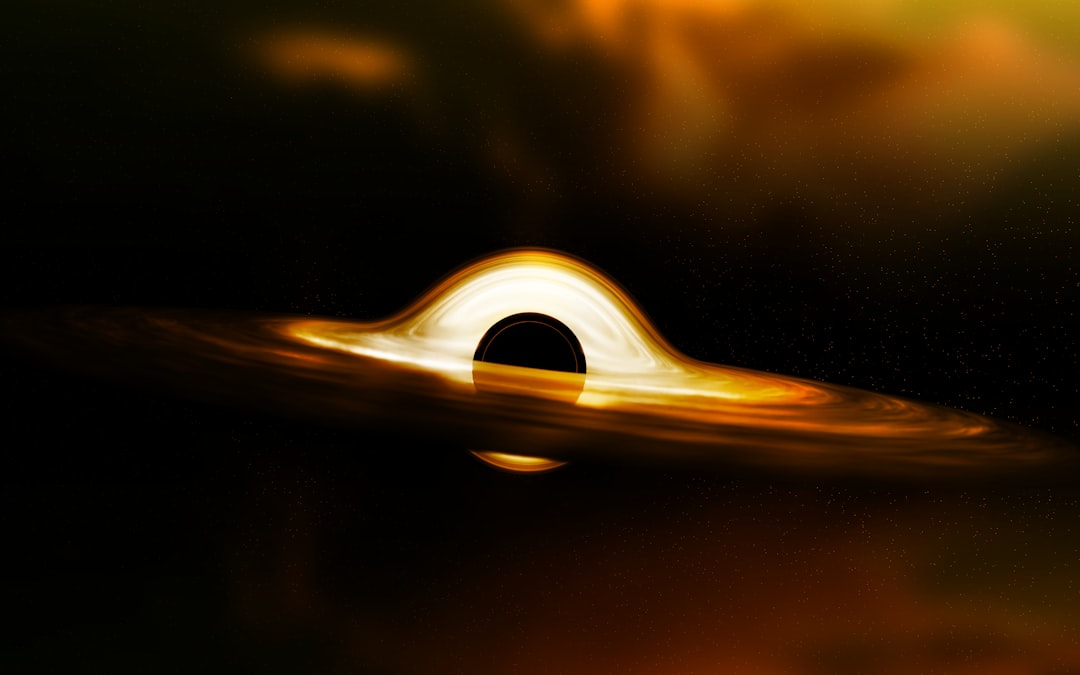
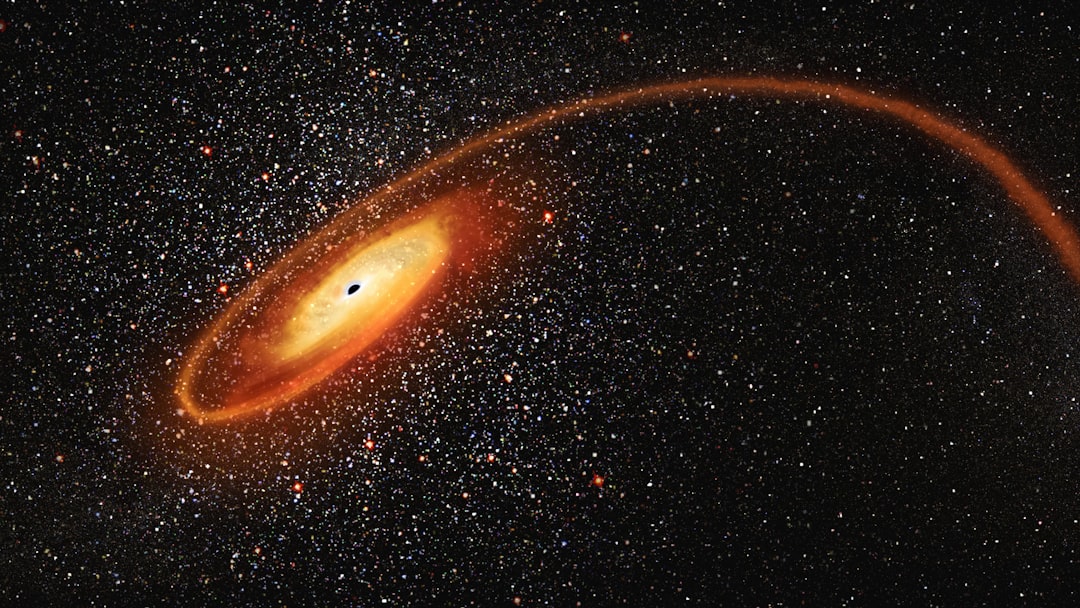
When two galaxies embark on their cosmic collision course, the merger unleashes extraordinary gravitational forces that fundamentally reshape both systems. The collision creates a maelstrom of gravitational chaos, flinging gas, dust, and stars across distances spanning hundreds of thousands of light-years. This turbulent environment becomes the key to understanding AGN activation. As the gravitational dance progresses, vast quantities of interstellar material are funneled toward each galaxy's central supermassive black hole, accumulating in the accretion disk—a swirling vortex of matter spiraling inexorably toward the event horizon.
Within this accretion disk, friction between particles and intense gravitational compression generate temperatures reaching millions of degrees. The superheated material radiates across the electromagnetic spectrum, from radio waves to X-rays, creating an AGN so luminous it can dwarf the combined light of hundreds of billions of stars. In some cases, these active black holes also launch relativistic jets—narrow beams of particles and radiation traveling at near-light speeds that can extend for millions of light-years into intergalactic space. The famous quasar 3C 273, observed by the Hubble Space Telescope, exemplifies this phenomenon, with its powerful jet visible as a luminous extension from the brilliant central source.
Revolutionary Observational Capabilities
Previous attempts to establish the connection between galaxy mergers and AGN activation faced significant methodological challenges. Limited sample sizes, insufficient image resolution, and difficulties in identifying both subtle merger signatures and faint AGN plagued earlier studies, yielding inconclusive or contradictory results. The arrival of Euclid, however, fundamentally transformed this research landscape. Within merely one week of operations, the telescope captured high-quality images spanning an area that required the Hubble Space Telescope more than three decades to observe—a testament to Euclid's revolutionary wide-field imaging capabilities and advanced instrumentation.
Euclid's design specifically optimizes it for studying the large-scale structure of the universe. Its 1.2-meter telescope, combined with sophisticated visible and near-infrared instruments, enables the detection of extremely faint objects while simultaneously covering vast swaths of sky. This combination of sensitivity and survey speed makes Euclid uniquely suited for statistical studies requiring large sample sizes—precisely what this AGN research demanded.
Artificial Intelligence Transforms Data Analysis
The sheer volume of data generated by Euclid presented its own challenge: how to efficiently and accurately identify AGN among millions of galaxies while simultaneously detecting merger signatures? The SRON research team developed an innovative solution—an AI-powered image decomposition tool capable of identifying AGN that conventional methods entirely miss. This machine learning system analyzes the light distribution within each galaxy, separating the contribution from stars, dust, and the central AGN with unprecedented precision.
"Our AI algorithm represents a paradigm shift in how we identify and characterize active galactic nuclei. It can detect AGN signatures that would be completely invisible to traditional analysis methods, while simultaneously measuring their energy output with extraordinary accuracy," explained the research team in their findings.
The tool's sophistication extends beyond simple detection. It can distinguish between different types of AGN based on their emission characteristics, identify galaxies in various stages of merging, and even recognize post-merger systems that have settled into apparently regular configurations. Applied to Euclid's dataset of one million galaxies, this AI system enabled the most comprehensive statistical analysis of AGN-merger correlations ever conducted.
Definitive Evidence Emerges from the Data
The results proved decisive and revealed a clear, stage-dependent relationship between galaxy mergers and black hole activity. The team's analysis uncovered several critical findings:
- Early-Stage Mergers: In dynamically young, dust-rich mergers where the AGN remains obscured by dense clouds of gas and dust—visible only in infrared wavelengths—the research team discovered six times more active black holes compared to isolated galaxies. This dramatic enhancement occurs when the merger-driven turbulence is at its peak, funneling maximum amounts of fuel toward the central black holes.
- Late-Stage Mergers: As mergers approach completion and the dust begins to settle, allowing X-rays and optical light to escape more freely, the AGN enhancement factor drops to approximately two times higher than in isolated systems. This decrease may partially reflect the challenge of distinguishing recently merged galaxies from truly isolated ones—some apparently solitary galaxies may actually be post-merger systems that have relaxed into regular morphologies.
- Extreme Luminosity Connection: Perhaps most strikingly, the most luminous AGN—the brilliant quasars that can be detected across billions of light-years—appear almost exclusively in merging galaxy systems. This finding suggests that while alternative mechanisms might trigger moderate black hole activity, galaxy collisions may represent the only pathway capable of fueling the universe's most extreme and energetic objects.
- Statistical Significance: The unprecedented sample size of one million galaxies provides overwhelming statistical confidence in these results, effectively settling decades of debate about the role of mergers in AGN activation.
Cosmic Implications and the Co-Evolution of Galaxies and Black Holes
These findings illuminate a fundamental aspect of cosmic evolution—the intimate connection between galaxy mergers, black hole growth, and star formation throughout the universe's history. As galaxies collide and merge over billions of years, their central supermassive black holes don't merely grow larger through accretion; they undergo brief but intense periods of activity that profoundly reshape their cosmic environments.
The powerful radiation and energetic outflows from activated AGN can heat and disperse the gas reservoirs needed for star formation, effectively quenching stellar birth across the entire merged system. This AGN feedback mechanism represents a crucial regulatory process in galaxy evolution, explaining why the most massive galaxies in today's universe contain predominantly old, red stars rather than actively forming new generations of stars. Research from the Chandra X-ray Observatory has documented numerous examples of AGN-driven outflows powerful enough to evacuate gas from their host galaxies.
Furthermore, this research supports the emerging picture of hierarchical galaxy formation, where smaller galaxies merge to form progressively larger structures. Each merger event not only builds galactic mass but also triggers black hole growth and activity, establishing the tight correlations observed between supermassive black hole masses and their host galaxy properties—relationships that have puzzled astronomers for decades.
Future Directions and Continuing Discoveries
While this study provides definitive evidence for the merger-AGN connection, it also opens new avenues for investigation. Future research will leverage Euclid's continuing observations to examine how this relationship evolves across cosmic time, tracking AGN activation rates through different epochs of universal history. The telescope's ability to observe galaxies at various distances—and therefore at different times in the universe's past—will reveal whether the merger-AGN connection strengthens or weakens as we look further back toward the early universe.
Additionally, complementary observations from other facilities, including the James Webb Space Telescope with its unprecedented infrared sensitivity, will provide detailed views of individual merger systems, revealing the physical processes occurring within the dust-shrouded cores where black holes are being fed. Combined with Euclid's statistical power, these multi-wavelength observations promise to construct a complete picture of how galaxy mergers drive black hole awakening and influence cosmic evolution.
The research also highlights the transformative potential of combining cutting-edge space telescopes with advanced artificial intelligence algorithms. As astronomical datasets continue to grow exponentially, AI-powered analysis tools will become increasingly essential for extracting meaningful scientific insights from the deluge of information. The success of this study demonstrates that we've entered a new era of astronomy, where machine learning and big data analytics work hand-in-hand with traditional observational techniques to unlock the universe's deepest secrets.
This groundbreaking research, made possible by Euclid's revolutionary capabilities and innovative data analysis techniques, fundamentally advances our understanding of the cosmic processes that shape galaxies and govern black hole behavior. By definitively establishing that violent galactic collisions serve as the primary trigger for awakening sleeping supermassive black holes, astronomers have solved a decades-old puzzle while simultaneously revealing the profound interconnections between galactic mergers, black hole growth, and the evolution of cosmic structure throughout the universe's 13.8-billion-year history.