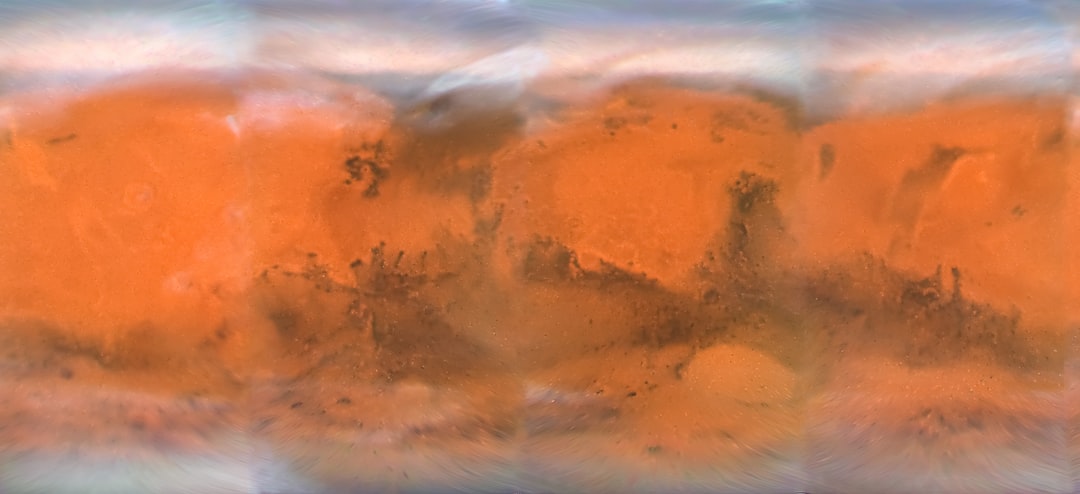
For millions of years, our planet has oscillated between frigid ice ages and warmer interglacial periods, a climatic dance choreographed by the gravitational influences of our celestial neighbors. While scientists have long understood that Milankovitch cycles—periodic variations in Earth's orbit and axial orientation—drive these dramatic climate shifts, groundbreaking new research reveals an unexpected conductor in this cosmic orchestra: Mars, our smaller, rust-colored neighbor. Despite possessing merely a fraction of the mass of gas giants like Jupiter and Saturn, the Red Planet plays a surprisingly pivotal role in modulating Earth's long-term climate patterns, acting as a gravitational metronome that helps regulate the timing and intensity of ice ages spanning hundreds of thousands of years.
This revelation comes from sophisticated computer simulations conducted by astrophysicist Stephen Kane and his research team, who systematically varied Mars's mass across a dramatic range—from complete absence to ten times its current value—to observe the resulting effects on Earth's orbital mechanics. Their findings, detailed in a comprehensive study examining planetary dynamics over millions of years, demonstrate that Mars functions as far more than a passive bystander in our solar system. Instead, it serves as a critical gravitational anchor that stabilizes certain climate cycles while amplifying others, fundamentally shaping the environmental conditions that have influenced the evolution of life on our planet. The research, which draws upon advanced models of planetary orbital mechanics, provides unprecedented insight into how the architecture of our solar system directly impacts Earth's habitability.
The Gravitational Symphony of Planetary Interactions
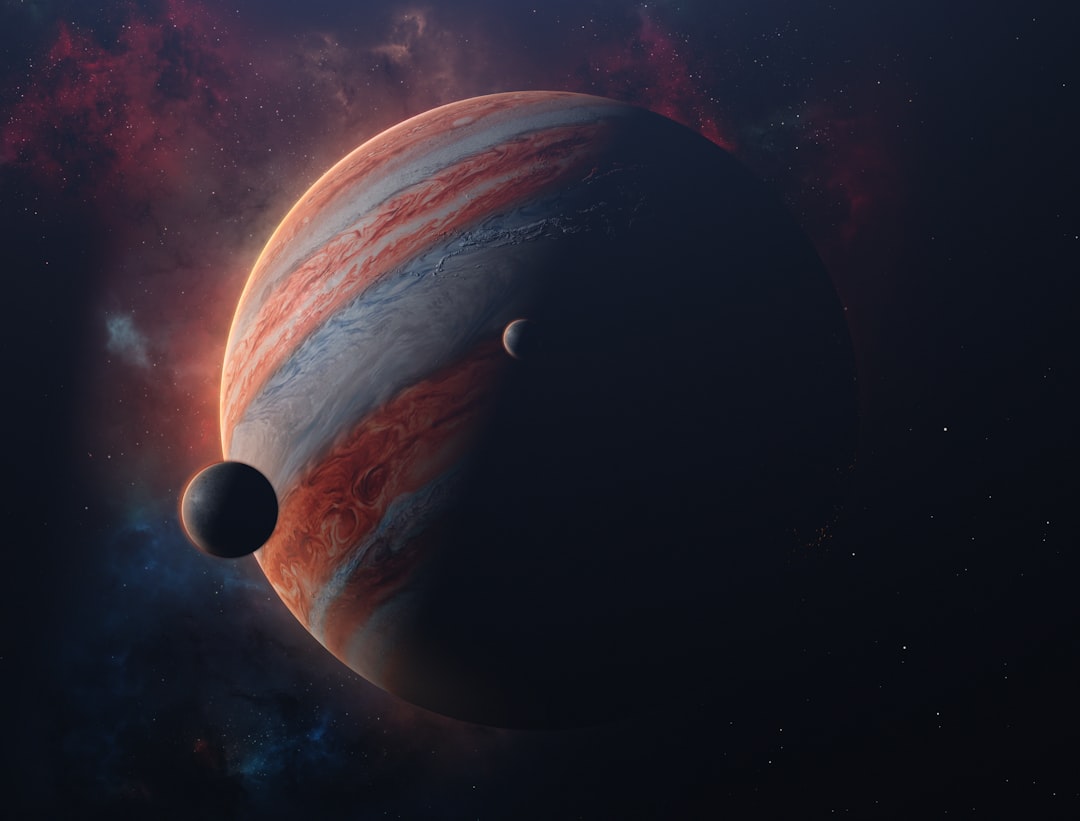
To comprehend Mars's influence on terrestrial climate, we must first understand the intricate gravitational ballet performed by the planets in our solar system. Earth does not travel through space in isolation; rather, it exists within a complex web of gravitational forces exerted by every other body in the solar system. The most massive planets—particularly Jupiter and Venus—exert the strongest influences, but the cumulative effect of all planetary bodies creates subtle, persistent tugs that gradually alter Earth's orbital parameters over geological timescales.
These alterations manifest in three primary ways, collectively known as Milankovitch cycles after Serbian mathematician Milutin Milanković, who first calculated their effects in the early 20th century. First, Earth's orbital eccentricity—the degree to which its orbit deviates from a perfect circle—varies cyclically. Second, the planet's axial tilt, or obliquity, oscillates between approximately 22.1 and 24.5 degrees over roughly 41,000-year periods. Third, the direction of Earth's rotational axis slowly traces a circular pattern through space in a process called precession, completing one full cycle approximately every 26,000 years. Together, these variations alter the distribution and intensity of sunlight reaching Earth's surface, triggering the advance and retreat of massive ice sheets that have repeatedly covered significant portions of the Northern Hemisphere.
The NASA Climate Science program has extensively documented how these orbital variations correlate with paleoclimate records extracted from ocean sediments and Antarctic ice cores, providing compelling evidence for the astronomical theory of climate change.
Mars as Climate Regulator: Surprising Findings from Mass Variation Simulations
Kane's research team employed sophisticated numerical simulations that modeled the gravitational interactions among the inner planets over millions of years, systematically adjusting Mars's mass to observe the cascading effects on Earth's orbital variations. The results revealed several unexpected patterns that highlight Mars's importance in Earth's climate system.
The most resilient feature across all simulations proved to be the 405,000-year eccentricity cycle, a remarkably stable "heartbeat" in Earth's climate system driven primarily by gravitational interactions between Venus and Jupiter. This cycle, which researchers have identified in geological records spanning hundreds of millions of years, persists regardless of Mars's mass, functioning as a reliable temporal marker that geologists use to calibrate ancient climate records. The scientific documentation of this cycle has revolutionized our ability to date ancient rock formations and understand deep-time climate patterns.
However, the shorter 100,000-year eccentricity cycles—the primary pacemaker of recent ice age transitions during the Quaternary period—demonstrate a critical dependence on Martian mass. As Mars becomes more massive in the simulations, these cycles lengthen and intensify, indicating enhanced gravitational coupling among the inner planets' orbital motions. This finding suggests that the specific timing of ice ages over the past several million years has been partially determined by Mars's current mass, a parameter that might have been different earlier in solar system history.
"What we discovered is that Mars acts as a gravitational stabilizer for certain climate cycles while amplifying others. Remove Mars from the equation, and Earth's climate rhythms would be fundamentally different—potentially less predictable and possibly less conducive to the stable conditions that have allowed complex life to flourish," explains Stephen Kane, emphasizing the interconnected nature of planetary systems.
The Disappearing Grand Cycle: A Martian Necessity
Perhaps the most striking revelation from the simulations concerns the 2.4-million-year "grand cycle" in Earth's climate variations. This ultra-long period modulation, which influences the amplitude of shorter climate cycles and creates extended epochs of enhanced or suppressed ice age intensity, exists only because Mars possesses sufficient mass to generate the appropriate gravitational resonance with Earth's orbit. When researchers reduced Mars's mass toward zero in their models, this grand cycle vanished entirely from Earth's climate spectrum.
This grand cycle arises from the slow rotation of Earth's and Mars's orbital ellipses around the Sun—a phenomenon called apsidal precession. As these ellipses gradually rotate over millions of years, they periodically align in configurations that either amplify or dampen the effects of shorter Milankovitch cycles on Earth's climate. The specific period of 2.4 million years emerges from the mathematical relationship between Earth's and Mars's orbital frequencies, a relationship that would be fundamentally altered if Mars had a significantly different mass.
Axial Tilt Variations and Ice Sheet Dynamics
Earth's axial obliquity—the tilt of its rotational axis relative to its orbital plane—represents one of the most climatically significant parameters affected by Martian gravity. Currently oscillating with a dominant period of approximately 41,000 years, this tilt variation directly controls the intensity of seasonal contrasts. Greater tilt produces more extreme seasons: hotter summers and colder winters, particularly at high latitudes where ice sheets form and retreat.
Kane's simulations revealed that as Mars's mass increases, the dominant period of Earth's obliquity cycle lengthens substantially. With a hypothetical Mars ten times more massive than reality, Earth's obliquity would oscillate with a primary period of 45,000 to 55,000 years rather than 41,000 years. This seemingly modest shift would dramatically alter the pacing of ice sheet growth and decay, potentially changing the frequency and intensity of glacial cycles throughout Earth's history.
The relationship between obliquity and ice volume is particularly strong because high-latitude summer insolation—the amount of sunlight reaching polar regions during summer—determines whether ice sheets can survive from year to year. When obliquity increases, summers become warm enough to melt more ice than accumulates during winter, causing ice sheets to retreat. The National Centers for Environmental Information maintains extensive paleoclimate databases documenting these relationships across multiple glacial cycles.
Implications for Exoplanetary Habitability and Climate Stability
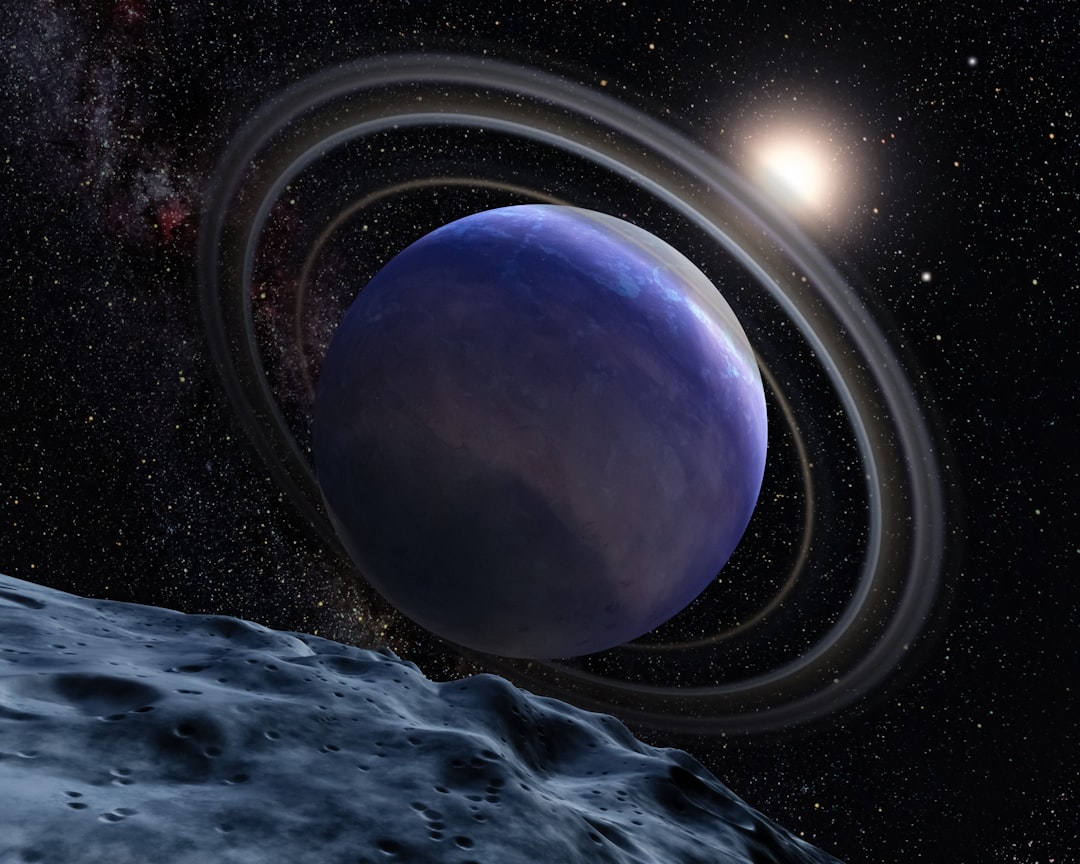
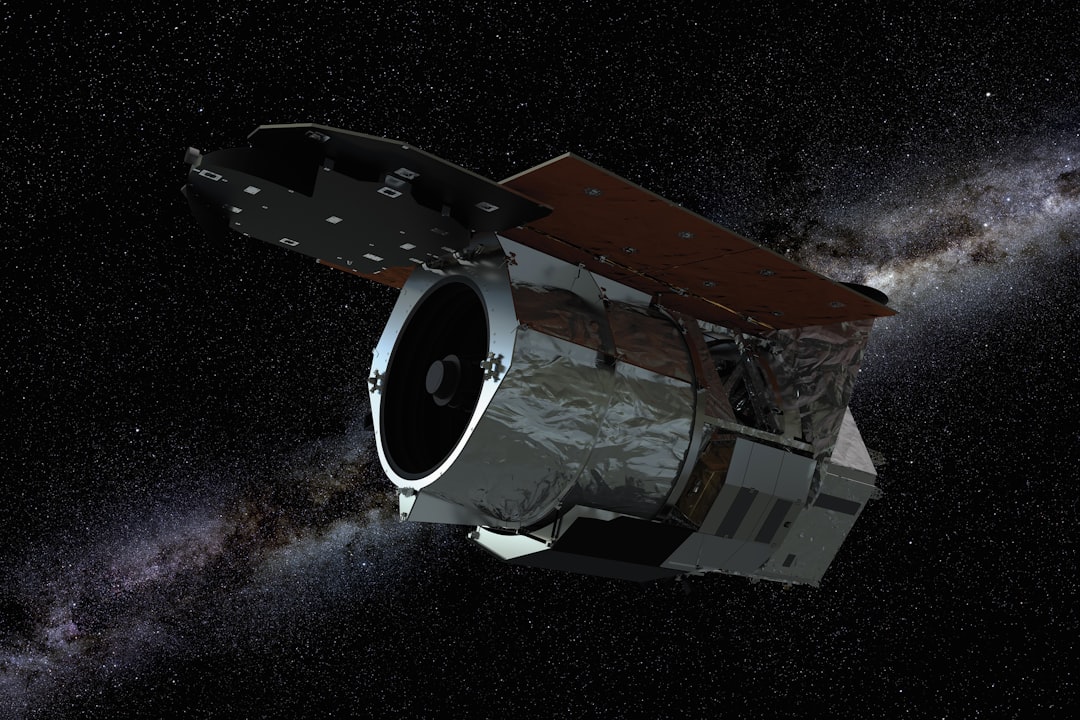
Beyond illuminating Earth's climate history, this research carries profound implications for understanding exoplanetary habitability—the potential for planets orbiting distant stars to support life. As astronomers discover thousands of terrestrial exoplanets through missions like NASA's TESS and the forthcoming Nancy Grace Roman Space Telescope, assessing their habitability requires understanding not just the planet itself, but its entire planetary system context.
A terrestrial planet with a massive neighbor in the appropriate orbital configuration might experience climate variations that prevent runaway glaciation—a scenario where ice sheets expand until they cover the entire planet, reflecting so much sunlight that temperatures plummet irreversibly. Conversely, such a neighbor might induce climate oscillations so extreme that liquid water cannot persist long enough for life to gain a foothold. The "just right" configuration—similar to what Mars provides for Earth—might represent a previously unrecognized factor in planetary habitability.
This research also suggests that the long-term stability of planetary climates depends on the specific architecture of their solar systems. Systems with different planetary masses, orbital spacings, or resonance patterns might produce terrestrial worlds with wildly different climate behaviors, even if the planets themselves appear similar in size, composition, and distance from their host stars. The NASA Exoplanet Exploration program is increasingly incorporating these multi-planet dynamics into habitability assessments.
Key Research Findings and Future Directions
- The 405,000-year metronome: Venus-Jupiter interactions create an ultra-stable climate cycle that persists regardless of Mars's mass, providing a reliable chronometer for dating ancient geological events and understanding long-term climate evolution.
- Mars-dependent ice age pacing: The approximately 100,000-year cycles that have governed ice age timing during the Quaternary period critically depend on Mars's gravitational influence, with cycle length and amplitude varying systematically with Martian mass.
- The vanishing grand cycle: Without sufficient Martian mass, the 2.4-million-year climate modulation disappears entirely, demonstrating that some climate patterns require specific planetary configurations to exist at all.
- Obliquity sensitivity: Earth's axial tilt variations respond strongly to Mars's mass, with heavier Martian masses producing longer-period obliquity cycles that would fundamentally alter the rhythm of glaciation.
- Exoplanet implications: Understanding how planetary neighbors influence climate stability provides new criteria for assessing the habitability of terrestrial exoplanets in multi-planet systems.
The Broader Context of Planetary Climate Science
This research exemplifies a growing recognition in planetary science that planetary systems must be understood holistically rather than as collections of isolated bodies. Just as ecologists have learned that removing a single species from an ecosystem can trigger cascading changes throughout the food web, planetary scientists now recognize that altering one planet's characteristics can reverberate through an entire solar system's dynamics.
The findings also underscore the remarkable contingency of Earth's climate history. Had Mars formed with significantly different mass, or had it migrated to a different orbital position during the solar system's early chaotic phase, Earth's climate would have followed a fundamentally different trajectory. The ice ages that shaped human evolution, influenced the distribution of species, and carved the landscapes we inhabit today might have occurred with different frequencies, intensities, or not at all. In this sense, Mars has been an invisible hand guiding Earth's environmental history for billions of years.
Future research will likely extend these simulations further back in time, examining how Mars's influence on Earth's climate may have evolved as the solar system aged and planetary orbits gradually changed. Scientists are also eager to apply similar analytical techniques to newly discovered exoplanetary systems, using the Mars-Earth relationship as a template for understanding climate dynamics on worlds light-years away.
As we continue to unravel the complex web of gravitational interactions that govern our solar system, one thing becomes increasingly clear: Earth's climate story is not written by our planet alone, but by the entire celestial neighborhood in which we reside. Mars, our rusty neighbor, has been a co-author of Earth's climate narrative for eons, its gravitational influence helping to create the rhythmic climate variations that have profoundly shaped the history of life on our world. Understanding this planetary partnership not only illuminates our past but may prove essential for predicting our climate future and identifying potentially habitable worlds beyond our solar system.