In a momentous achievement for space science, NASA successfully completed the assembly of the Nancy Grace Roman Space Telescope on November 25th, marking a pivotal milestone in humanity's quest to understand the cosmos. The integration of the observatory's two primary segments at the Goddard Space Flight Center in Maryland represents years of meticulous engineering and scientific planning coming to fruition. This sophisticated infrared observatory, named after NASA's first Chief of Astronomy who championed the Hubble Space Telescope, now stands poised to revolutionize our understanding of dark energy, exoplanetary systems, and the fundamental nature of cosmic expansion.
The completion of Roman's assembly places the mission firmly on track for a launch window opening as early as Fall 2026, with a baseline launch date of May 2027 aboard a SpaceX Falcon Heavy rocket. Once deployed, the telescope will journey to the Sun-Earth Lagrange Point 2 (L2), approximately 1.5 million kilometers from Earth—the same orbital location utilized by the James Webb Space Telescope. This strategic position offers thermal stability and unobstructed views of deep space, essential for the telescope's ambitious five-year primary mission.
The significance of this achievement extends beyond mere technical accomplishment. In an era where scientific endeavors face unprecedented scrutiny and political challenges, the Roman telescope represents a testament to sustained scientific vision and engineering excellence. The project has navigated budgetary pressures and political headwinds while maintaining its trajectory toward completion—a remarkable feat in the complex landscape of modern space exploration.
Revolutionary Optical Architecture and Instrumentation
The Nancy Grace Roman Space Telescope embodies a focused yet powerful approach to space-based astronomy, equipped with two highly specialized instruments designed to address fundamental questions about our universe. Unlike multi-instrument observatories, Roman's streamlined payload reflects a deliberate strategy to excel at specific scientific objectives while maintaining operational efficiency.
The Wide Field Instrument (WFI) serves as Roman's primary scientific workhorse, featuring a remarkable 288-megapixel infrared detector—the largest camera ever flown in space. This technological marvel provides a field of view approximately 100 times larger than Hubble's infrared channel, enabling the telescope to survey vast swaths of the cosmos with unprecedented efficiency. To contextualize this capability: what would take Hubble decades to observe, Roman will accomplish in mere months. The WFI operates across multiple infrared wavelengths, from 0.48 to 2.3 microns, allowing it to peer through cosmic dust and observe phenomena invisible to optical telescopes.
The instrument's wide-field capability proves particularly crucial for Roman's dark energy investigations. By mapping the three-dimensional distribution of galaxies across cosmic time, the WFI will trace how the universe's expansion rate has evolved over billions of years. This data will help scientists discriminate between competing theories about dark energy's nature—whether it represents Einstein's cosmological constant, a dynamic field that changes over time, or perhaps evidence that our understanding of gravity itself requires modification on cosmic scales.
Advanced Coronagraph Technology Demonstration
Roman's second instrument, the Coronagraph Instrument (CGI), represents a technological leap forward in the direct imaging of exoplanets. While coronagraphs have flown on previous missions, including Hubble, Roman's version incorporates active optical elements and deformable mirrors that can adjust in real-time to compensate for minute imperfections and optimize starlight suppression. This sophisticated system employs multiple masks, filters, and self-flexing mirrors working in concert to block stellar glare while allowing the faint light from nearby planets to pass through.
"The question of 'Are we alone?' is a big one, and it's an equally big task to build tools that can help us answer it," said Feng Zhao, the Roman Coronagraph Instrument manager at NASA's Jet Propulsion Laboratory in Southern California. "The Roman Coronagraph is going to bring us one step closer to that goal. It's incredible that we have the opportunity to test this hardware in space on such a powerful observatory as Roman."
The CGI serves primarily as a technology demonstration mission, testing capabilities that will inform the design of future dedicated exoplanet-imaging missions. It aims to achieve contrast ratios of 100 million to one billion to one—meaning it can detect planets that are 100 million to a billion times fainter than their host stars. This capability will enable direct imaging and spectroscopic analysis of gas giant exoplanets and circumstellar debris disks, providing insights into planetary atmospheres and formation processes.
Transformative Science Objectives Across Multiple Domains
Roman's scientific agenda encompasses four primary investigation areas, each addressing fundamental questions that have puzzled astronomers for decades. The mission's design philosophy emphasizes survey efficiency and data volume, generating observations that will serve the astronomical community for generations.
Unveiling the Mystery of Dark Energy
Perhaps no scientific question carries greater cosmological significance than understanding dark energy—the mysterious force driving the accelerating expansion of the universe. Discovered in 1998 through observations of distant supernovae, dark energy appears to constitute approximately 68% of the universe's total energy content, yet its fundamental nature remains one of physics' greatest enigmas.
Roman will attack this problem through multiple complementary approaches. The telescope will conduct a High Latitude Wide Area Survey, mapping the distribution and properties of galaxies across billions of light-years. By measuring how galaxy clustering has evolved over cosmic time, scientists can trace the influence of dark energy on cosmic structure formation. Additionally, Roman will observe thousands of Type Ia supernovae—stellar explosions that serve as "standard candles" for measuring cosmic distances—extending measurements to earlier epochs than previously possible.
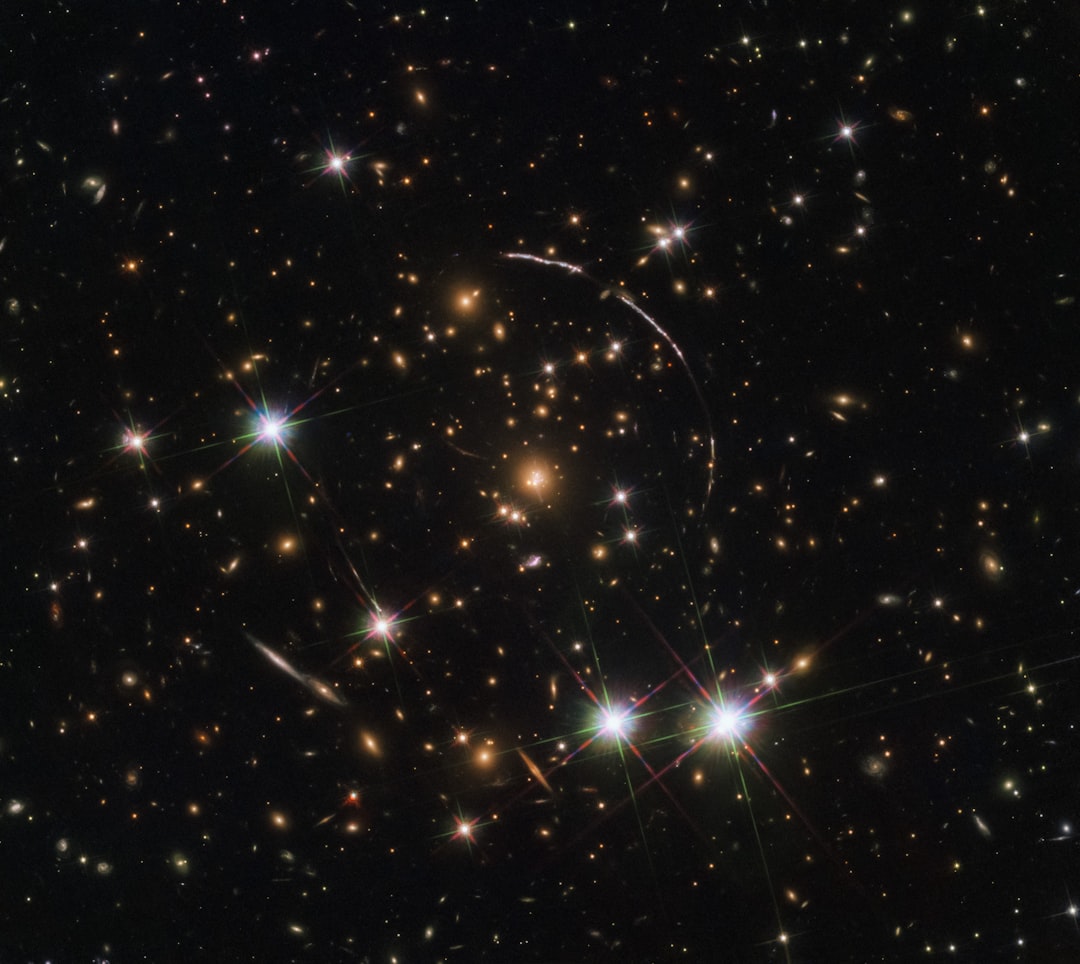
The mission will also employ weak gravitational lensing, detecting subtle distortions in galaxy shapes caused by intervening dark matter. These measurements provide an independent probe of cosmic expansion history and the growth of structure, offering crucial cross-checks on dark energy models. According to European Space Agency projections, combining Roman's data with observations from complementary missions like Euclid will yield unprecedented constraints on dark energy properties.
Conducting a Comprehensive Exoplanet Census
Roman's exoplanet science program will revolutionize our statistical understanding of planetary systems throughout the galaxy. Using the gravitational microlensing technique, the telescope will detect planets across a wide range of masses and orbital distances, including populations invisible to other detection methods. Microlensing occurs when a foreground star passes nearly in front of a background star, temporarily magnifying its light through gravitational lensing. If the foreground star hosts planets, they create additional characteristic signatures in the light curve.
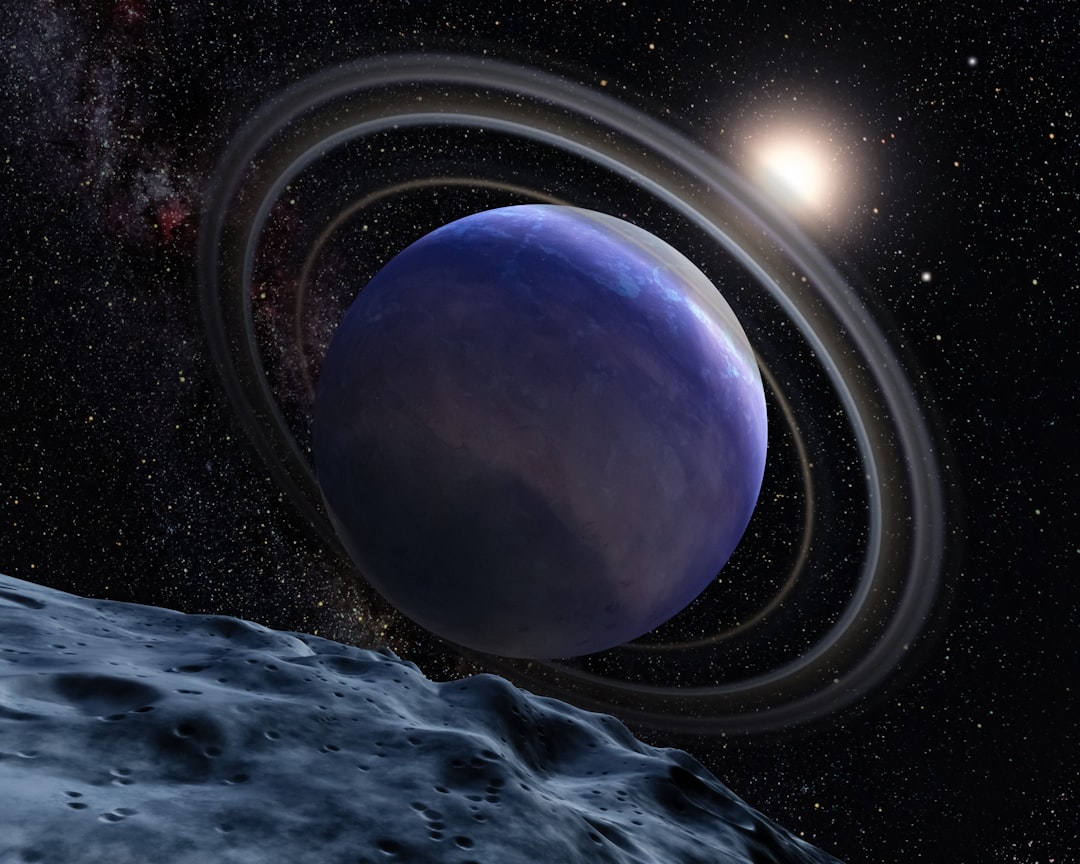
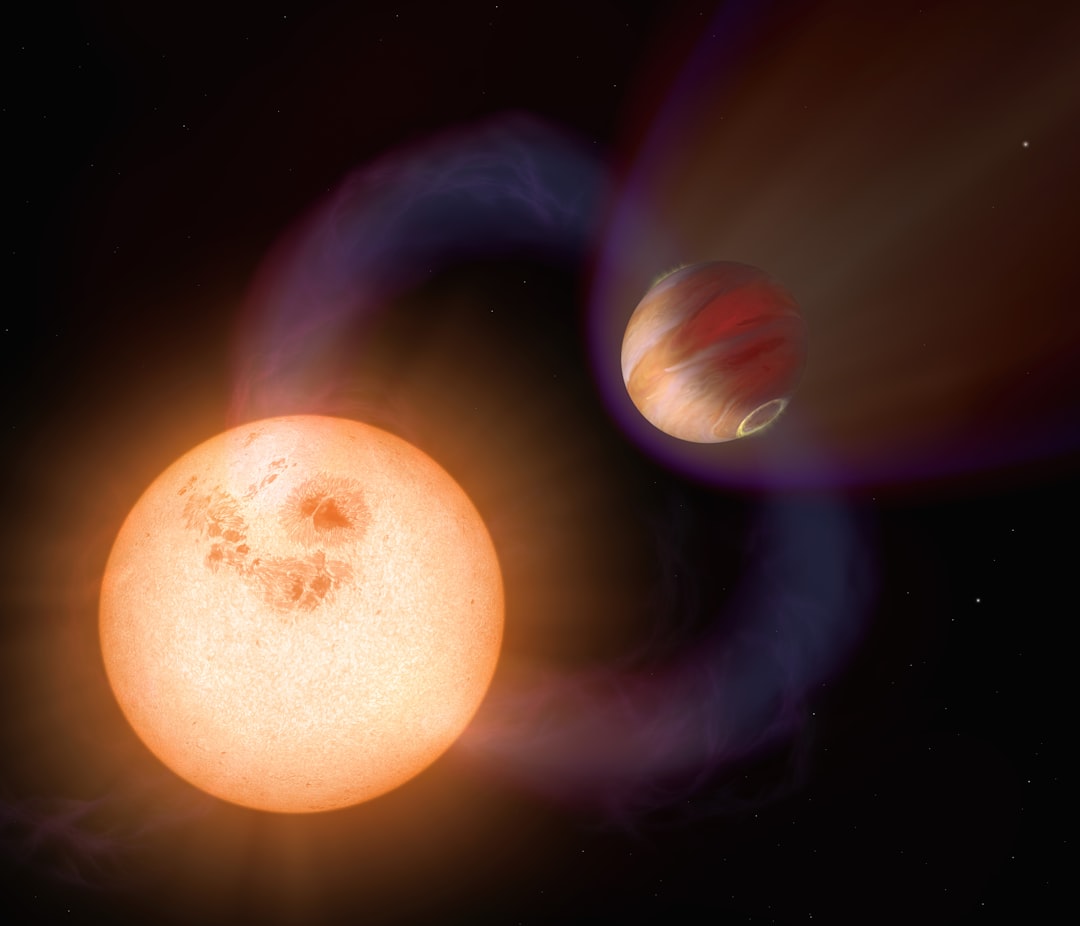
This technique proves particularly powerful for finding low-mass planets at large orbital distances—precisely the population that transit and radial velocity methods struggle to detect. Roman's microlensing survey is expected to discover thousands of exoplanets, including analogs of every planet in our solar system. These discoveries will answer crucial questions: How common are planetary systems like our own? What is the typical architecture of planetary systems? How does planet formation efficiency vary with stellar mass and galactic environment?
- Expected Discoveries: Over 100,000 exoplanets detected through various methods during the five-year primary mission
- Microlensing Sensitivity: Capable of detecting planets down to Mars-mass at distances from their stars ranging from 0.5 to infinity astronomical units
- Direct Imaging Targets: Dozens of gas giant planets in nearby young stellar systems will be characterized through coronagraphic observations
- Protoplanetary Disk Studies: Hundreds of planet-forming disks will be imaged, revealing the environments where planetary systems emerge
Engineering Excellence and Project Management Success
The completion of Roman's assembly on schedule represents a significant achievement in large-scale space mission management. The project has maintained disciplined cost control and schedule adherence—a notable accomplishment given the historical tendency of flagship astronomical missions to experience delays and budget overruns.
"Completing the Roman observatory brings us to a defining moment for the agency," said NASA Associate Administrator Amit Kshatriya. "Transformative science depends on disciplined engineering, and this team has delivered—piece by piece, test by test—an observatory that will expand our understanding of the universe."
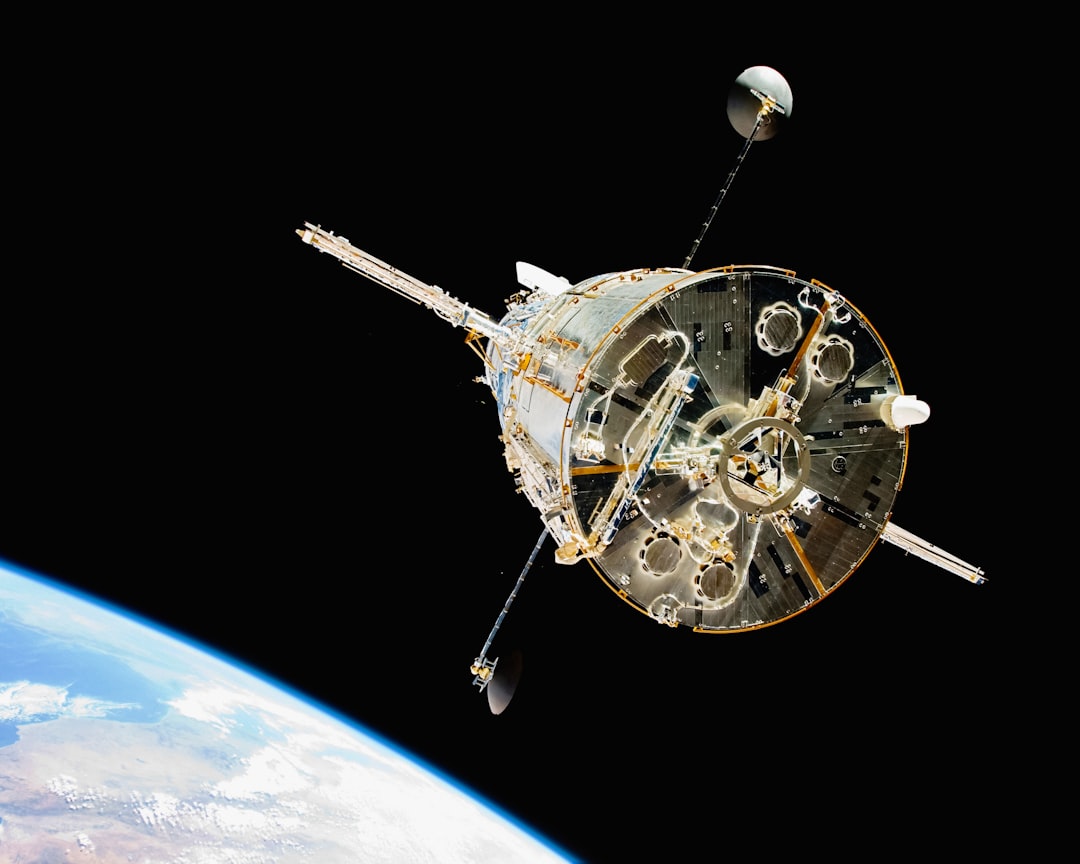
The telescope's development benefited from several strategic decisions. Roman utilizes a 2.4-meter primary mirror—the same diameter as Hubble's—inherited from reconnaissance satellite programs, significantly reducing costs and technical risk. The mission's focused instrument complement, while more limited than some other observatories, enables streamlined integration and testing. Additionally, lessons learned from the James Webb Space Telescope's development informed Roman's project management approach, helping the team anticipate and mitigate potential challenges.
Following integration, Roman will undergo comprehensive environmental testing to ensure it can withstand launch stresses and operate reliably in the space environment. These tests include thermal vacuum testing, vibration testing, and electromagnetic interference verification. Upon successful completion of this test campaign, the observatory will be transported to Kennedy Space Center in Florida for final launch preparations.
Operational Design and Mission Longevity
Unlike some infrared space telescopes that rely on consumable cryogenic coolants, Roman employs passive cooling combined with its strategic L2 orbit location to maintain its instruments at operating temperatures. This design choice eliminates coolant depletion as a mission-ending constraint. Instead, Roman's operational lifetime will be limited by its onboard propellant supply, used for orbital maintenance maneuvers and telescope pointing adjustments—similar to JWST's operational constraints.
The five-year primary mission timeline provides sufficient duration to accomplish Roman's core science objectives while leaving open the possibility of an extended mission. Historical precedent suggests such extensions often prove scientifically valuable; both Hubble and Spitzer operated far beyond their initial mission designs, and JWST is expected to exceed its five-year baseline mission significantly.
Data Deluge and Scientific Legacy
Roman's survey strategy will generate an unprecedented volume of astronomical data—approximately 20 petabytes (20,000 terabytes) over its five-year primary mission. This data tsunami reflects the telescope's wide-field imaging capability and efficient survey operations. To put this in perspective, Roman will image as much sky area in its first five years as Hubble captured during its first three decades of operations.
This massive dataset will be made publicly available through NASA's archives, ensuring that the scientific community can extract maximum value from the observations. Historically, archived astronomical data continues yielding new discoveries decades after collection, as analysis techniques improve and researchers ask new questions. Roman's data will likely inform research well into the latter half of the 21st century.
"Within our lifetimes, a great mystery has arisen about the cosmos: why the expansion of the universe seems to be accelerating," said Nicky Fox, associate administrator for NASA's Science Mission Directorate. "There is something fundamental about space and time we don't yet understand, and Roman was built to discover what it is."
Beyond its primary science objectives, Roman will undoubtedly produce serendipitous discoveries—unexpected findings that emerge from surveying vast cosmic volumes. Past wide-field surveys have revealed rare astronomical phenomena, unusual transient events, and objects that challenged existing theoretical frameworks. Roman's infrared sensitivity and wide field of view position it ideally for such discoveries.
Honoring a Pioneering Legacy in Astronomy
The telescope's namesake, Dr. Nancy Grace Roman (1925-2018), served as NASA's first Chief of Astronomy during the critical formative years of space-based astronomy. Often called the "Mother of Hubble," Dr. Roman championed the concept of a large space telescope throughout the 1960s and 1970s, navigating bureaucratic and political challenges to maintain support for what would eventually become the Hubble Space Telescope. Her advocacy for making astronomical tools available to the broader scientific community—rather than restricting access to a few principal investigators—fundamentally shaped how space telescopes operate today.
Dr. Roman's career began in an era when women faced significant barriers in science. Despite graduating summa cum laude and earning a PhD in astronomy, she encountered pervasive discrimination in academic positions. Her transition to NASA provided opportunities to influence space science at the highest levels, where she oversaw the development of numerous astronomical satellites and advocated for missions that would benefit the entire astronomical community.
"The mission will acquire enormous quantities of astronomical imagery that will permit scientists to make groundbreaking discoveries for decades to come, honoring Dr. Roman's legacy in promoting scientific tools for the broader community," said Jackie Townsend, Roman's deputy project manager at NASA Goddard.
Looking Forward: A New Era of Cosmic Discovery
As Roman moves through its final testing phase toward launch, the astronomical community anticipates the transformative science this mission will enable. The telescope will operate in an era of unprecedented multi-messenger astronomy, where observations across the electromagnetic spectrum combine with gravitational wave detections and neutrino astronomy to provide comprehensive views of cosmic phenomena.
Roman's data will complement observations from other flagship missions, including JWST's deep-field spectroscopy and the upcoming Vera C. Rubin Observatory's optical surveys. This synergy between facilities—each optimized for different observational capabilities—exemplifies modern astronomy's collaborative approach to addressing fundamental questions.
The mission's potential early launch in Fall 2026 would represent a significant achievement, demonstrating that complex space missions can be delivered on schedule when supported by disciplined project management and sustained institutional commitment. Whether launching in 2026 or 2027, Roman stands ready to expand humanity's understanding of the cosmos, carrying forward Dr. Nancy Grace Roman's vision of astronomy as a collaborative endeavor that serves all of humanity's quest to comprehend our place in the universe.
As we stand on the threshold of Roman's launch, we can anticipate a flood of discoveries that will reshape our cosmic perspective—from the nature of dark energy to the prevalence of Earth-like worlds, from the properties of primordial black holes to the detailed structure of planetary birth environments. The Nancy Grace Roman Space Telescope represents not merely a technological achievement, but a testament to human curiosity and our enduring drive to understand the universe we inhabit.