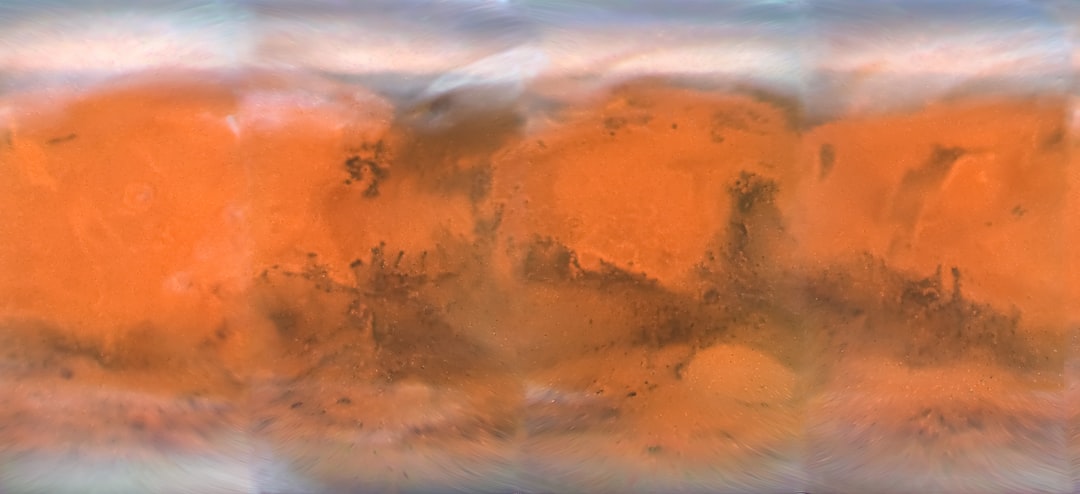
The Red Planet continues to surprise scientists with its dynamic chemistry, as groundbreaking research reveals that Mars is actively producing toxic compounds through an unexpected mechanism: electricity generated by its infamous dust storms. This discovery, detailed in a comprehensive study published in Earth and Planetary Science Letters, fundamentally reshapes our understanding of Martian surface chemistry and poses significant implications for future human exploration of the planet.
Led by Dr. Alian Wang of Washington University in St. Louis and Dr. Neil Sturchio of the University of Delaware, the research team has unveiled a novel framework for understanding how chemical reactions occur on Mars in the absence of liquid water and substantial heat—the primary drivers of chemistry on Earth. Their findings suggest that electrostatic discharges, similar to the static shocks you might experience on a dry winter day, are continuously manufacturing dangerous perchlorates and other compounds on the Martian surface.
This revelation carries profound implications not only for our understanding of Mars, but potentially for chemical processes occurring throughout our solar system, from the sulfuric clouds of Venus to the icy moons of the outer planets. As humanity plans for eventual crewed missions to Mars, understanding these ongoing chemical processes becomes critical for ensuring the safety and success of future explorers.
The Isotopic Mystery: Clues Hidden in Martian Chemistry
For years, scientists analyzing data from Mars rovers and orbiters have puzzled over a peculiar chemical signature on the planet's surface: an unusual distribution of isotopes that defies conventional explanations. Isotopic fractionation—the process by which different isotopes of the same element become separated or enriched—has left Mars with a distinctive chemical fingerprint that demands explanation.
The most striking example involves chlorine-37, the heavier isotope of chlorine, which appears depleted by approximately 51 parts per thousand (ppt) compared to expected natural ratios. This isn't merely an academic curiosity; chlorine-37 is a key component of perchlorates, the hazardous compounds that represent one of the most significant challenges to establishing human settlements on Mars. These chemicals can damage thyroid function in humans and are highly toxic to most terrestrial life forms, making their origin and ongoing production a critical area of study.
But chlorine isn't the only element showing unusual isotopic patterns. Carbon displays a depletion of 11.4 ppt in its heavier isotopes, while oxygen shows a 22.8 ppt deficit. Both elements are essential ingredients in carbonate minerals, which previous generations of planetary scientists interpreted as evidence of ancient liquid water on Mars. The new research suggests a more complex and dynamic story—one written in lightning rather than flowing rivers.
Electric Mars: When Dust Storms Become Chemical Factories
Anyone who has watched footage from Mars missions is familiar with the planet's spectacular dust storms, which can grow to envelope the entire planet during certain seasons. These aren't merely visual spectacles; they're active chemical laboratories operating on a planetary scale. Within these storms, countless dust particles collide and tumble, creating conditions remarkably similar to rubbing a balloon on your hair or shuffling across a carpet in winter.
The key difference on Mars is the planet's thin atmosphere, with a surface pressure less than 1% of Earth's. This tenuous atmospheric blanket has a much lower dielectric constant—the property that normally prevents electrical discharge in air. On Mars, it's relatively easy for accumulated static charges to overcome this barrier, resulting in tiny electrical arcs similar to the sparks you might see when removing a sweater in a dark room.
"These electrostatic discharges, or ESDs, create a unique chemical environment unlike anything we see naturally on Earth," explains Dr. Wang. "They generate high-energy electrons that can break apart atmospheric molecules and trigger cascading chemical reactions on the surface."
The research team discovered that these miniature lightning bolts, occurring within dust devils and larger storms, create reactive radical species when high-energy electrons collide with Mars' carbon dioxide atmosphere. These radicals—primarily carbon monoxide (CO) and atomic oxygen (O)—are highly reactive chemical species that don't exist for long in stable conditions but can drive powerful chemical transformations.
Laboratory Mars: Recreating Alien Chemistry on Earth
To test their hypothesis, the research team constructed sophisticated experimental apparatus, including the aptly named Planetary Environment and Analysis Chamber (PEACh). This specialized equipment allows scientists to recreate Martian conditions in the laboratory, including the planet's thin CO₂ atmosphere, frigid temperatures, and crucially, the electrostatic discharges that occur during dust storms.
Within these chambers, researchers exposed chloride salts—compounds commonly detected on Mars' surface by missions like the Curiosity rover—to simulated electrostatic discharges. The results were striking: the ESDs generated high-energy electrons that fragmented atmospheric CO₂ molecules, creating reactive oxygen atoms. These oxygen atoms then bonded with the chloride salts, progressively oxidizing them into chlorates and eventually into perchlorates—the same toxic compounds found abundantly on Mars.
The process works as a natural isotopic filter, preferentially selecting lighter isotopes for chemical reactions. This selectivity occurs because lighter atoms have slightly higher reaction rates due to quantum mechanical effects—a phenomenon known as kinetic isotope fractionation. The result is a gradual enrichment of lighter isotopes in the reaction products and a corresponding depletion of heavier isotopes, precisely matching the observations from Mars missions.
Beyond Perchlorates: A Universal Martian Process
The same electrochemical mechanism that produces perchlorates also explains the formation of carbonate minerals on Mars, compounds that scientists once considered definitive evidence of past liquid water. The research demonstrates that carbonates can form through ESD-driven reactions without any water involvement, fundamentally challenging previous interpretations of Martian geology.
This discovery doesn't necessarily negate evidence for ancient Martian water—abundant geological features still point to a wetter past—but it does mean that the presence of carbonates alone cannot be used as proof of aqueous processes. The distinction matters for understanding Mars' climatic history and assessing the planet's past habitability.
Implications Across the Solar System
The significance of this research extends far beyond Mars. Electrostatic discharge chemistry likely operates on numerous worlds throughout our solar system, each with its own unique atmospheric composition and surface materials. Consider these possibilities:
- Venus: The planet's thick atmosphere and sulfuric acid clouds create conditions ripe for electrical discharge, potentially driving unique chemical cycles in its hellish environment
- Titan: Saturn's largest moon has a thick nitrogen atmosphere and hydrocarbon lakes, where ESD processes could create complex organic molecules
- Europa and Enceladus: These icy moons experience particle bombardment that could generate similar electrical effects, potentially affecting their subsurface oceans
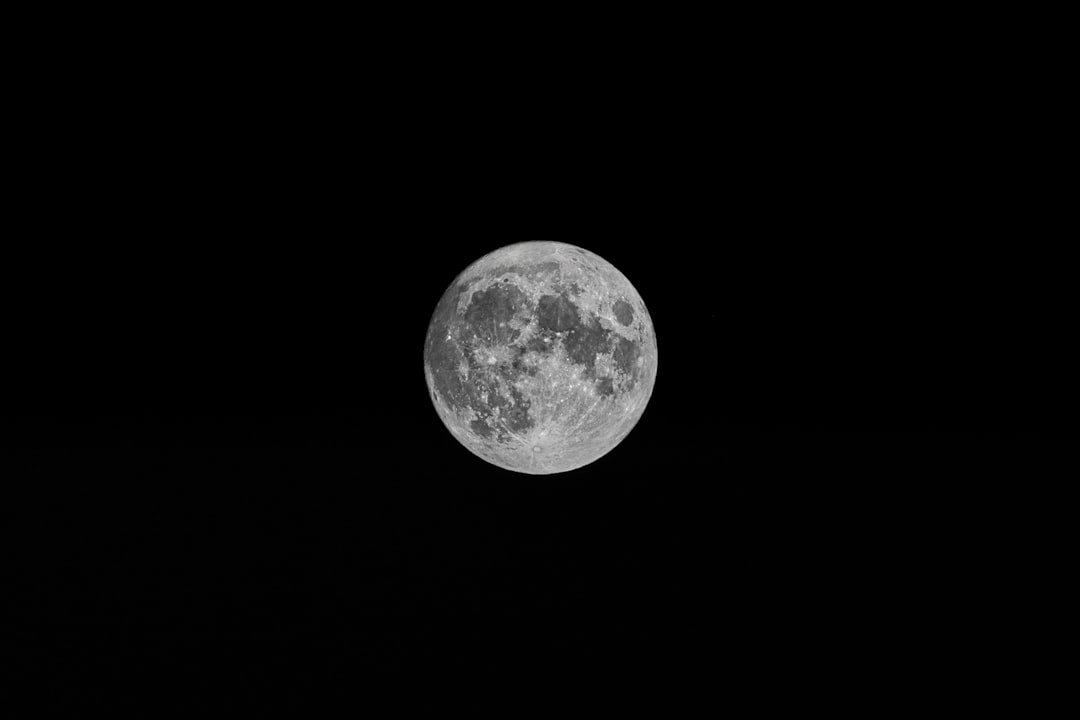
- Earth's Moon: Despite having virtually no atmosphere, electrostatic charging from solar wind particles could drive surface chemistry in permanently shadowed craters
The research team is already expanding their investigations to these other worlds, with upcoming papers expected to detail how electrical processes shape the chemistry of Venus's atmosphere and surface interactions.
Challenges for Future Mars Explorers
For mission planners and future Mars colonists, this research presents both challenges and opportunities. The continuous production of perchlorates through natural processes means that these toxic compounds aren't merely relics of ancient chemistry—they're being actively manufactured whenever dust storms occur, which is frequently on Mars.
This ongoing production has several implications for human exploration:
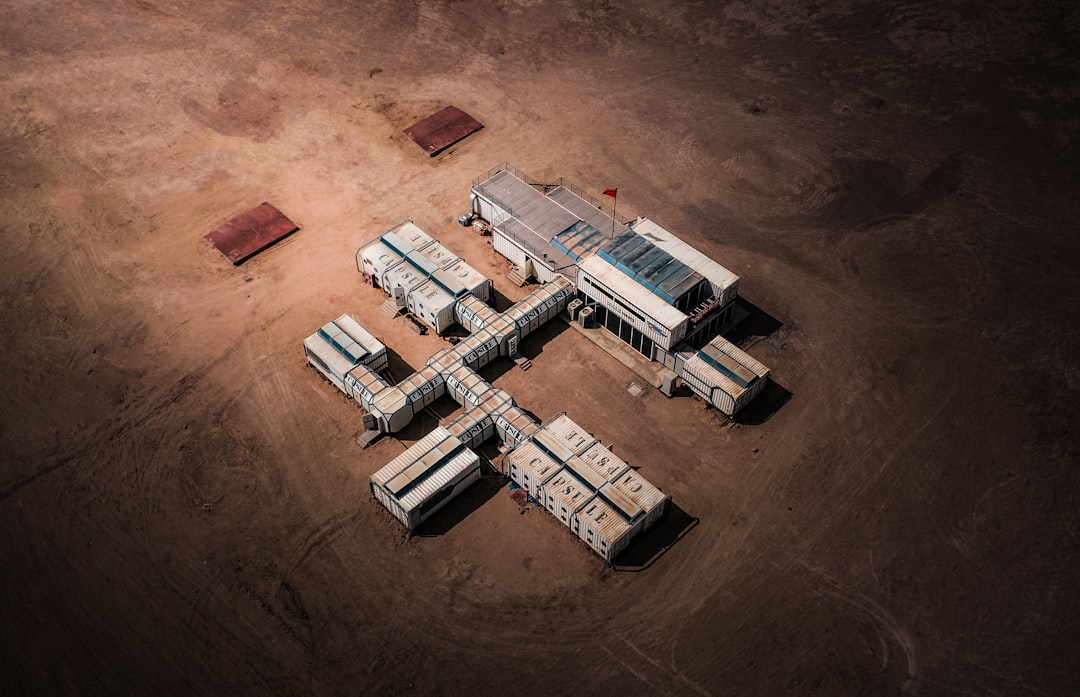
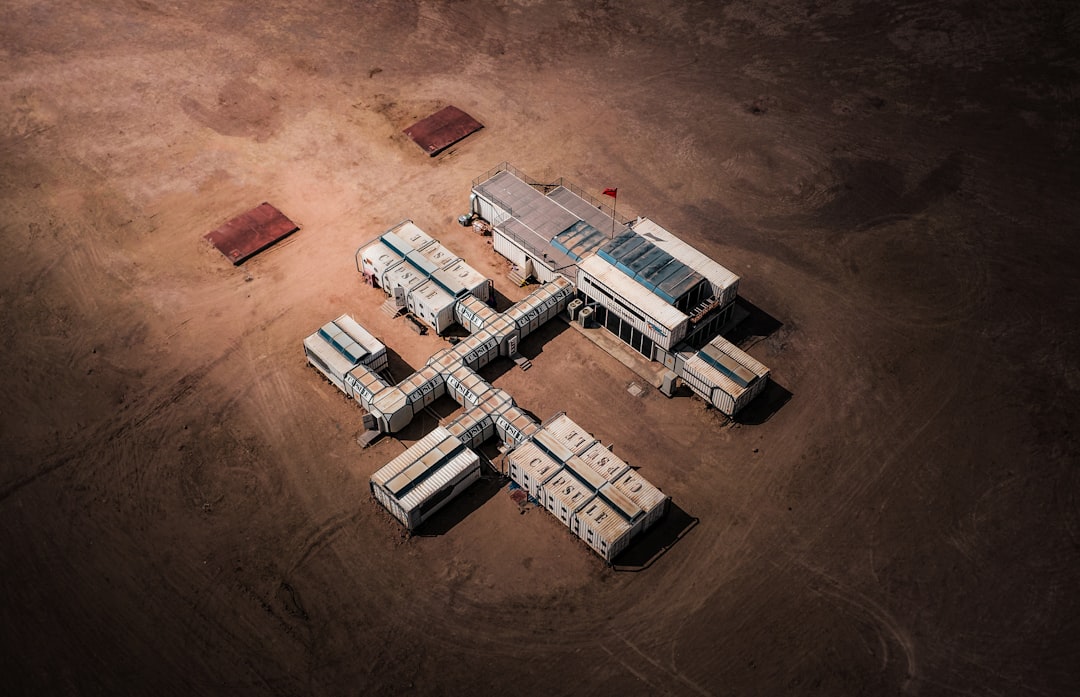
- Habitat design: Structures must effectively filter Martian dust and prevent perchlorate contamination of living spaces and life support systems
- Agriculture: Any attempt to grow food on Mars must account for perchlorate-contaminated soil, requiring extensive remediation or closed-system hydroponics
- Water extraction: Martian ice and subsurface water likely contain dissolved perchlorates, necessitating purification before human consumption
- Resource utilization: Paradoxically, perchlorates could serve as oxygen sources through chemical decomposition, turning a hazard into a resource
Several research groups are already developing perchlorate remediation technologies, including biological systems that use specialized bacteria to break down these compounds, and chemical processes that could extract useful oxygen while neutralizing the toxic chlorine components.
The Path Forward: Understanding Dynamic Mars
This research fundamentally shifts our perception of Mars from a geologically dead world to one with active, ongoing chemistry driven by atmospheric processes. The electrostatic discharge mechanism represents a form of "cold chemistry" that operates without the liquid water and moderate temperatures that drive most chemical processes on Earth.
Future Mars missions, including the European Space Agency's ExoMars rover and NASA's planned sample return mission, will undoubtedly investigate these processes in greater detail. Scientists are particularly interested in measuring real-time changes in surface chemistry during dust storm events, which could provide direct confirmation of the ESD mechanism in action.
The research also highlights the importance of understanding space weather and atmospheric dynamics on Mars. Dust storm forecasting will become increasingly critical for future crewed missions, not only for visibility and equipment protection but also for understanding when and where perchlorate production is most active.
"We're discovering that Mars is far more chemically active than we previously imagined," notes Dr. Sturchio. "Every dust devil, every regional storm, is essentially a chemical factory operating at planetary scale. Understanding these processes is crucial for both scientific knowledge and practical exploration."
As humanity continues its journey toward becoming a multi-planetary species, research like this reminds us that each world in our solar system operates by its own unique rules. Mars may lack the liquid water and biological processes that drive Earth's chemistry, but it has found its own path—one powered by the simple friction of dust particles dancing in the thin Martian air, generating the tiny sparks that continuously reshape the planet's chemical landscape. Understanding these alien processes isn't just scientifically fascinating; it's essential preparation for the day when humans take their first steps on the Red Planet's electrically active surface.