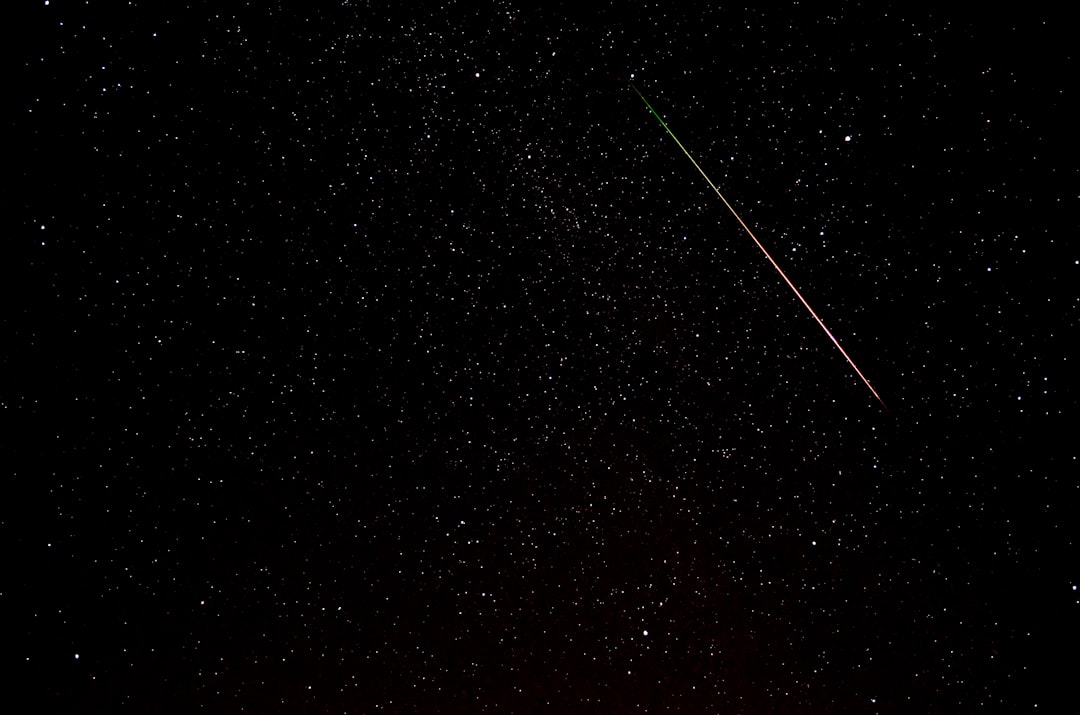
As the calendar turns to 2026, astronomers and skywatching enthusiasts are preparing for one of the year's most spectacular yet challenging celestial events: the Quadrantid meteor shower. This annual display, peaking in the first weekend of January, represents both a thrilling opportunity and a formidable challenge for observers worldwide. Combined with Earth's closest approach to the Sun—an event known as perihelion—this weekend offers a fascinating glimpse into the dynamic nature of our solar system's mechanics.
The Quadrantids have earned a reputation among meteor shower enthusiasts as the most elusive of the major annual displays. Unlike their summer cousins, the Perseids, which offer a broad peak spanning several nights, the Quadrantids concentrate their activity into an incredibly narrow window of just six hours. This brief but intense burst of activity, combined with typically harsh winter weather conditions in the Northern Hemisphere, means that many dedicated observers have never witnessed this shower at its full glory.
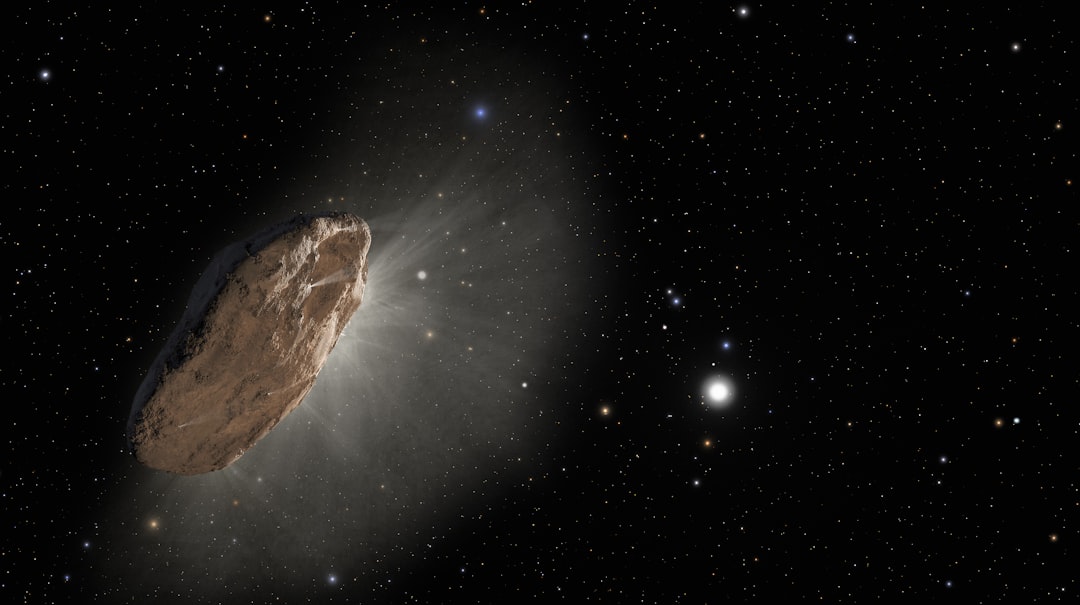
What makes the Quadrantids particularly intriguing from a scientific perspective is their unusual parent body. Rather than originating from a traditional comet, these meteors trace their lineage to 2003 EH1, an enigmatic object that astronomers classify as either an asteroid or potentially extinct comet. This ambiguity reflects the fascinating gray area in our understanding of small solar system bodies and their evolutionary pathways.
Optimal Viewing Conditions and Challenges for 2026
The 2026 Quadrantid meteor shower reaches its anticipated peak on Saturday, January 3rd, at precisely 3:00 Universal Time (UT), which translates to 10:00 PM Eastern Time on Friday evening, January 2nd. Under ideal dark-sky conditions, observers might witness a Zenithal Hourly Rate (ZHR) of 100 to 120 meteors—a rate that rivals the famous Perseids and Geminids. However, 2026 presents a significant observational challenge that will test even the most dedicated meteor watchers.
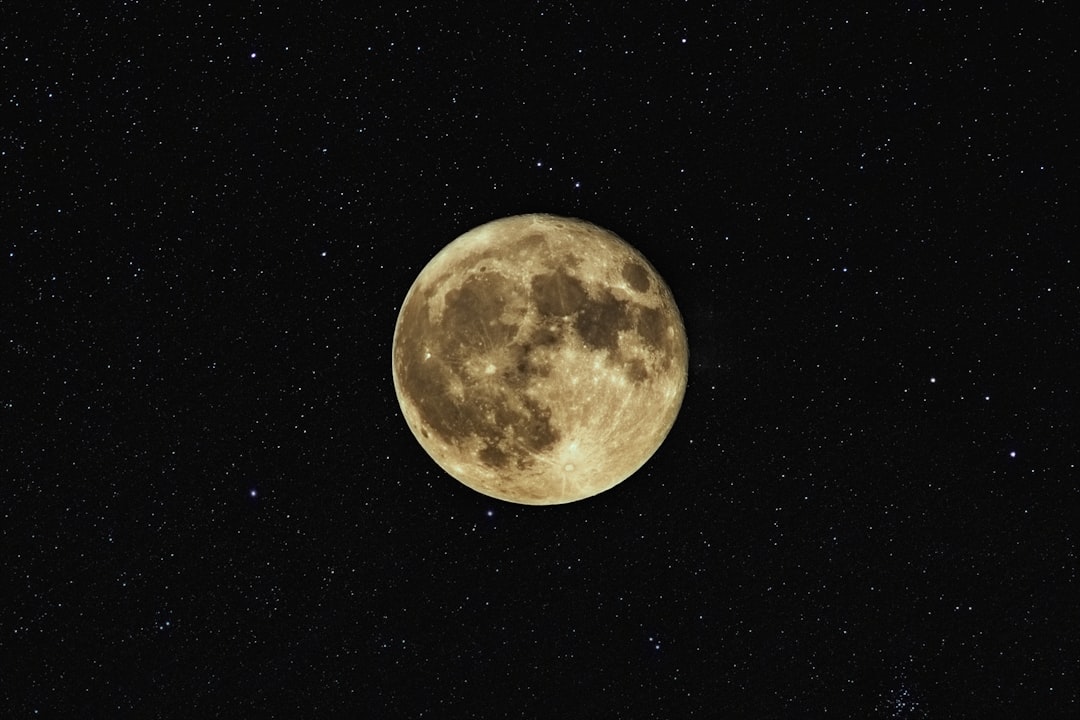
The primary obstacle this year is the timing of the Full Wolf Moon, which reaches peak illumination just over seven hours after the shower's maximum. This near-perfect alignment means that the Moon's brilliant light will wash out all but the brightest meteors, significantly reducing the number of visible shooting stars. The Moon will be positioned high in the sky, traversing from Auriga the Charioteer into Gemini the Twins, making it nearly impossible to avoid its glare.
"The Quadrantids represent one of the most frustrating yet rewarding challenges in amateur astronomy. When conditions align perfectly, it's one of the most spectacular shows nature offers. But that alignment happens rarely, making successful observations all the more memorable," notes Dr. Peter Jenniskens, meteor astronomer at the SETI Institute.
Despite the lunar interference, European observers hold a geographical advantage this year, as the peak timing favors their longitudes. North American observers aren't entirely out of luck, however, as the shower's radiant—the point in the sky from which meteors appear to originate—will rotate into favorable viewing position a few hours after the predicted maximum. This extended window, though past the peak, may still yield impressive meteor rates for persistent observers.
Strategic Observation Techniques
Successfully observing the 2026 Quadrantids requires strategic planning and preparation. The most effective approach involves finding a location where natural or artificial features can block the Moon's light. Position yourself so that a building, hill, or dense tree line obscures the lunar disk while keeping the northeastern sky—where the radiant lies—in clear view. This technique, known as lunar occlusion, can dramatically improve your meteor count even under bright moonlit conditions.
The Quadrantid radiant sits at a relatively high 72-degree declination, positioning it well north in the celestial sphere. This high declination means the shower approaches Earth at a nearly perpendicular angle, similar to the December Geminids. Consequently, Quadrantid meteors can begin appearing before local midnight—earlier than many other major showers that require waiting until after midnight for optimal viewing.
The Scientific Heritage of the Quadrantids
The shower's unusual name carries a fascinating piece of astronomical history. Unlike most meteor showers named after their radiant constellation, the Quadrantids derive their designation from Quadrans Muralis, a constellation that no longer officially exists. This "Mural Quadrant" or "Wall Quadrant" constellation was created in the 18th century by French astronomer Jérôme Lalande to honor an important astronomical instrument used for precisely measuring stellar positions.
When the International Astronomical Union standardized the celestial map in 1922, establishing the modern list of 88 official constellations, Quadrans Muralis didn't make the cut. The constellation's stars were redistributed primarily to Boötes the Herdsman, where the Quadrantid radiant now officially resides. Despite this celestial reorganization, astronomers retained the traditional name, preserving a connection to the shower's observational heritage dating back to the early 19th century.
The first recorded observations of the Quadrantids occurred in the 1830s, making this one of the more recently recognized major meteor showers. Italian astronomer Antonio Brucalassi and American meteor observer Edward C. Herrick independently documented unusual meteor activity from this region of the sky in January 1835, establishing the shower's place in astronomical records.
The Mysterious Parent Body
For over a century and a half, the source of the Quadrantid meteor stream remained a mystery. The breakthrough came in 2003 when astronomer Peter Jenniskens identified 2003 EH1 as the likely parent body. This object follows a 5.5-year orbit around the Sun, with orbital characteristics that closely match the Quadrantid meteor stream's trajectory.
What makes 2003 EH1 particularly intriguing is its ambiguous nature. It could be a rocky asteroid, or it might be an extinct comet—a former icy body that has depleted its volatile materials after countless passages near the Sun. Some researchers have even suggested a connection to the historical comet C/1490 Y1, observed by Chinese astronomers over 500 years ago. This potential link would make the Quadrantids a relatively young meteor shower in astronomical terms, perhaps explaining their sharp, concentrated peak.
The meteors themselves strike Earth's atmosphere at a moderate velocity of 41 kilometers per second (approximately 92,000 miles per hour). This mid-range speed produces meteors that are neither as swift and fleeting as the Leonids nor as slow and lingering as the Taurids, creating a distinctive appearance that experienced observers can recognize.
Earth at Perihelion: Our Closest Solar Approach
Coinciding with the Quadrantid peak, Earth reaches perihelion—its closest point to the Sun—on January 3rd at 17:16 Universal Time. At this moment, our planet sits just 0.9833 Astronomical Units (91.45 million miles or 147.17 million kilometers) from the Sun. This might seem counterintuitive for Northern Hemisphere residents experiencing the depths of winter, but it beautifully illustrates that Earth's seasons result from axial tilt, not distance from the Sun.
The difference between perihelion and aphelion (our farthest point from the Sun, occurring in early July) amounts to approximately 3.1 million miles. While this represents only about a 3% variation in solar distance, it creates a measurable difference in the Sun's apparent size. Photographers who capture solar images at both perihelion and aphelion can document this subtle but real change, with the January Sun appearing noticeably larger than its July counterpart.
This orbital characteristic has implications beyond simple geometry. Earth receives approximately 7% more solar energy at perihelion than at aphelion. For the Southern Hemisphere, currently experiencing summer, this means slightly more intense sunlight. This variation contributes to the fact that Southern Hemisphere summers tend to be slightly warmer than Northern Hemisphere summers, though the difference is moderated by the larger ocean coverage in the south.
Practical Observing Guide for Success
Successfully observing the 2026 Quadrantids despite the bright moonlight requires preparation and persistence. Here are essential strategies for maximizing your chances:
- Timing is critical: Plan to observe during the predicted peak window, especially if you're in Europe. North American observers should focus on the hours just after the peak, when the radiant rises higher in the northeastern sky.
- Location matters: Scout your observing site in advance. Identify natural features or structures that can block the Moon while preserving a clear view of the northern and northeastern sky. Urban observers may need to travel to darker locations to have any chance of success.
- Dress for Arctic conditions: January nights can be brutally cold, especially during the extended periods of stillness required for meteor watching. Wear layered clothing, insulated boots, and bring hand warmers. A reclining lawn chair or sleeping bag allows comfortable viewing while maintaining warmth.
- Allow for dark adaptation: Your eyes need 20-30 minutes to fully adapt to darkness. Avoid looking at bright lights, including your phone screen. If you must check the time or consult star charts, use a red-filtered flashlight to preserve your night vision.
- Be patient and persistent: Even under the best conditions, meteors appear sporadically. The six-hour peak window means activity can vary significantly. Give yourself at least an hour of continuous observation to get a representative sample of the shower's activity.
Looking Ahead: The 2026 Skywatching Calendar
While the Quadrantids kick off the astronomical year with a challenging display, 2026 promises numerous other celestial events worth marking on your calendar. The year features several favorable meteor showers, including the Perseids in August and the Geminids in December, both occurring during more observer-friendly moon phases. Additionally, several solar and lunar eclipses will grace our skies, offering spectacular viewing opportunities for those positioned along the paths of visibility.
The Quadrantids serve as an excellent reminder of astronomy's unpredictable nature and the value of preparation. While 2026's lunar interference presents obstacles, the shower's brief but intense peak means that even a small gap in clouds or a momentary improvement in conditions could reveal a spectacular display. For dedicated observers willing to brave the cold and work around the moonlight, successfully catching the Quadrantids represents a genuine accomplishment—a worthy addition to any skywatcher's life list.
As we begin another year of exploring the cosmos from our terrestrial vantage point, the Quadrantids remind us that some of nature's most beautiful displays require patience, planning, and sometimes a bit of luck. Whether you're a seasoned meteor observer or attempting your first shower, this weekend offers an opportunity to connect with a celestial phenomenon that has captivated humanity for nearly two centuries. Bundle up, find your dark-sky refuge, and look skyward—you might just witness the year's first cosmic fireworks display.