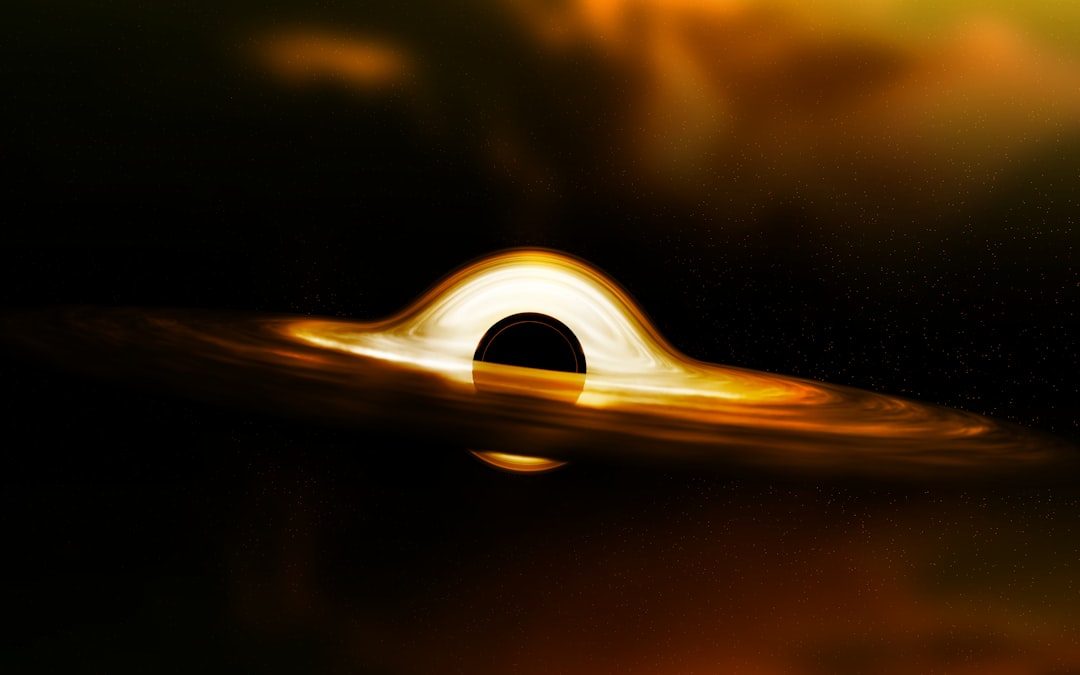
A groundbreaking astronomical survey utilizing two decades of X-ray observations has challenged one of the fundamental assumptions about galaxy evolution. An international research collaboration, analyzing data from NASA's Chandra X-ray Observatory, has discovered that dwarf galaxies—the smaller cosmic structures that populate our universe—appear to lack the supermassive black holes that astronomers have long considered ubiquitous features of galactic centers. This revelation represents a significant departure from the prevailing theoretical framework suggesting that virtually all galaxies, regardless of size, harbor these gravitational giants at their cores.
The study, recently published in The Astrophysical Journal under the title "Central Massive Black Holes Are Not Ubiquitous in Local Low-Mass Galaxies," examined more than 1,600 galaxies spanning a remarkable range of masses. The findings indicate that while massive galaxies almost universally contain supermassive black holes (SMBHs) millions to billions of times the mass of our Sun, approximately 70% of dwarf galaxies appear to exist without these central engines. This discovery has profound implications for our understanding of black hole formation mechanisms, galaxy evolution, and the future detection of gravitational waves from cosmic mergers.
The Cosmic Census: Surveying Black Holes Across Galactic Scales
The research team, comprising scientists from NASA's X-ray Astrophysics Laboratory, the Institute for Gravitation and the Cosmos at Penn State, the Nevada Center for Astrophysics, and several international institutions including Italy's Istituto Nazionale di Astrofisica, embarked on an ambitious project to conduct the most comprehensive black hole census of low-mass galaxies to date. Their investigation leveraged Chandra's unparalleled sensitivity to X-ray emissions, which serve as a telltale signature of active black holes consuming surrounding matter.
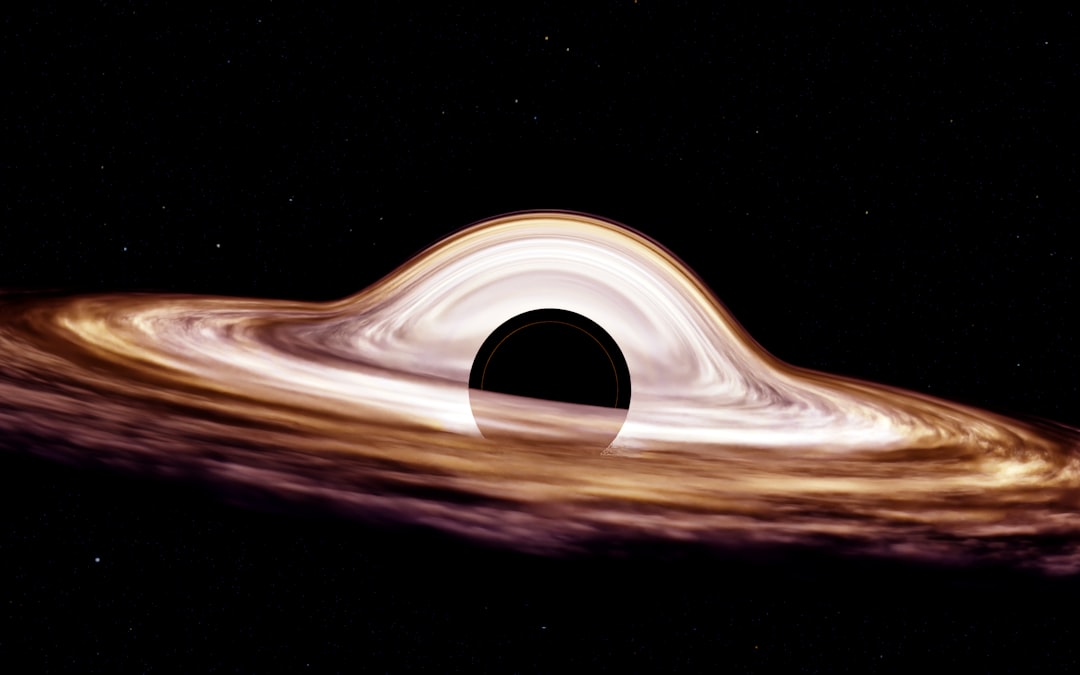
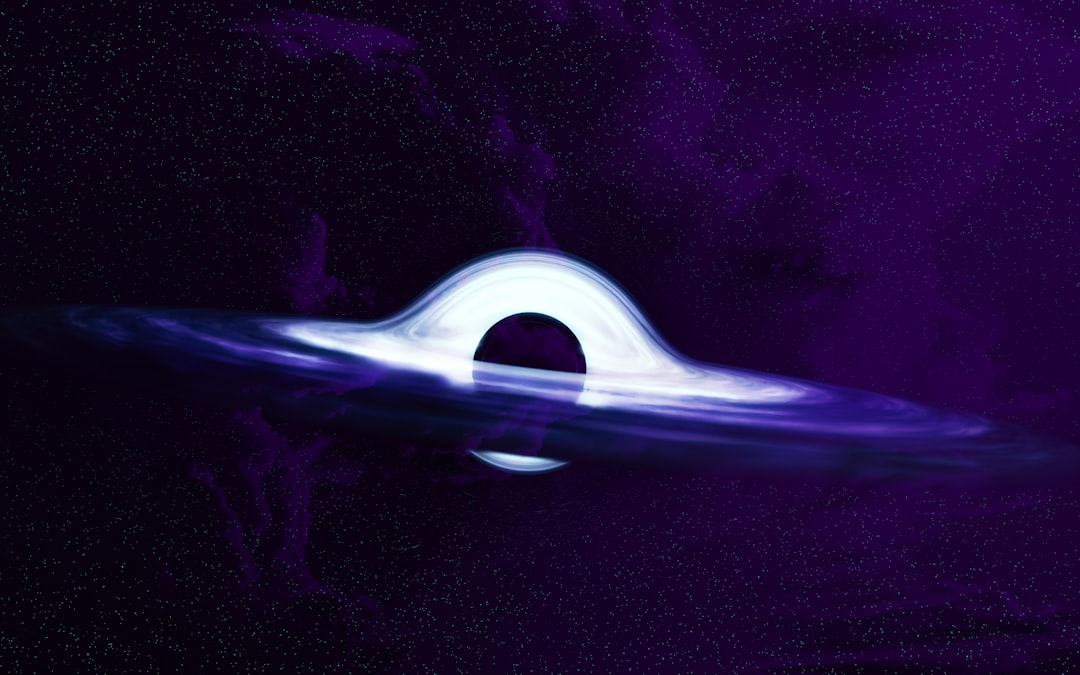
The methodology focused on detecting X-ray point sources at galactic centers, where supermassive black holes typically reside. When material spirals into a black hole's accretion disk, gravitational forces accelerate it to relativistic speeds—approaching the speed of light—causing the matter to heat to millions of degrees and emit intense radiation across the electromagnetic spectrum, particularly in X-rays. This process makes active black holes some of the brightest X-ray sources in the universe, detectable even across vast cosmic distances.
The survey examined galaxies ranging from those containing just a few percent of the Milky Way's mass—approximately 10 billion solar masses—to systems ten times more massive. The results revealed a striking dichotomy: more than 90% of massive galaxies displayed brilliant X-ray beacons at their centers, while the vast majority of dwarf galaxies showed no such signatures. This dramatic difference demanded careful analysis to distinguish between two competing explanations.
Disentangling Detection Limits from Physical Absence
The research team faced a critical question: were they observing a genuine absence of supermassive black holes in dwarf galaxies, or were these black holes simply too faint for Chandra to detect? This distinction is crucial because smaller black holes naturally accrete less material and consequently emit less radiation. The team developed sophisticated models to account for the expected accretion rates in low-mass galaxies and the corresponding X-ray luminosities that would result.
"We think, based on our analysis of the Chandra data, that there really are fewer black holes in these smaller galaxies than in their larger counterparts," explained Elena Gallo, an astronomy professor from the University of Michigan and co-author of the study. "The X-ray deficit we observed cannot be explained solely by reduced accretion rates—many of these dwarf galaxies genuinely lack supermassive black holes."
The analysis revealed that even accounting for the reduced feeding rates expected in smaller galaxies, there remained a significant shortfall in X-ray detections. This additional deficit could only be explained by a fundamental difference in black hole occupation: approximately 30% of dwarf galaxies contain supermassive black holes, compared to over 90% of their more massive counterparts. This finding suggests that the formation and growth of supermassive black holes is intimately connected to the mass and evolutionary history of their host galaxies.
Implications for Black Hole Formation Theories
These observations provide crucial evidence in the ongoing debate about how supermassive black holes originally form. Two primary theoretical frameworks have emerged to explain the existence of these gravitational behemoths, and the new findings strongly favor one over the other. The Direct Collapse Black Hole (DCBH) theory proposes that in the early universe, massive gas clouds—possibly primordial hydrogen and helium—collapsed directly into black holes with initial masses of thousands to tens of thousands of solar masses, providing a "head start" on becoming supermassive.
The alternative Stellar Collapse Seed (SCS) theory suggests a more gradual process: individual massive stars collapse to form stellar-mass black holes of tens to hundreds of solar masses, which then merge repeatedly over cosmic time to build up supermassive black holes. This hierarchical growth model would predict that black holes should be equally common in galaxies of all masses, since stellar collapse occurs universally wherever massive stars form.
Lead author Fan Zou of the University of Michigan emphasized the significance of these findings:
"It's important to get an accurate black hole head count in these smaller galaxies. It's more than just bookkeeping. Our study gives clues about how supermassive black holes are born. It also provides crucial hints about how often black hole signatures in dwarf galaxies can be found with new or future telescopes."
The observed scarcity of black holes in dwarf galaxies aligns more naturally with the Direct Collapse scenario, which requires specific environmental conditions—such as intense ultraviolet radiation to prevent gas fragmentation—that may have been less common in the low-mass dark matter halos that host dwarf galaxies. This environmental sensitivity could explain why smaller galaxies are less likely to harbor supermassive black holes.
Understanding the Mass-Black Hole Relationship
The correlation between galaxy mass and black hole presence suggests that the formation of supermassive black holes is not a universal process but rather depends on the specific conditions present during galaxy assembly. In the early universe, the most massive dark matter halos—which would eventually host today's giant galaxies—may have provided the ideal conditions for direct collapse black hole formation. These regions likely experienced intense radiation fields and accumulated gas more rapidly, creating the necessary environment for massive black holes to form quickly.
Conversely, the lower-mass halos that became dwarf galaxies may have lacked these special conditions. Without the ability to form black holes through direct collapse, and with insufficient time for stellar-mass black holes to merge into supermassive ones, many dwarf galaxies evolved without central black holes. This scenario is supported by observations from the James Webb Space Telescope, which has detected surprisingly massive black holes in the early universe—consistent with rapid formation through direct collapse rather than gradual growth.
Consequences for Gravitational Wave Astronomy
The reduced prevalence of supermassive black holes in dwarf galaxies carries significant implications for the emerging field of gravitational wave astronomy. When galaxies merge—a common occurrence throughout cosmic history—their central black holes eventually spiral together and coalesce, releasing tremendous amounts of energy in the form of gravitational waves. The Laser Interferometer Space Antenna (LISA), scheduled for launch in the 2030s, is specifically designed to detect these low-frequency gravitational waves from merging supermassive black holes.
If 70% of dwarf galaxies lack supermassive black holes, the rate of detectable merger events will be substantially lower than predictions based on the assumption of universal black hole occupation. This affects several key areas of gravitational wave science:
- Merger Rate Predictions: The frequency of detectable supermassive black hole mergers will be reduced, particularly for lower-mass systems involving black holes of millions rather than billions of solar masses
- Tidal Disruption Events: The rate at which stars are torn apart by black holes—spectacular events that produce bright flares across multiple wavelengths—will be lower in dwarf galaxies, affecting predictions for current and future time-domain surveys
- Gravitational Wave Background: The cumulative signal from countless unresolved black hole mergers throughout cosmic history may be weaker than anticipated, affecting LISA's ability to detect this stochastic background
- Multi-Messenger Astronomy: Coordinated observations of black hole mergers across gravitational waves and electromagnetic radiation will need to account for the reduced occurrence in lower-mass systems
Next-Generation Observations and Future Prospects
The study's findings establish crucial benchmarks for upcoming observatories that will probe the universe with unprecedented sensitivity. The European Space Agency's Euclid mission, launched in 2023, will survey billions of galaxies to map the large-scale structure of the universe and could identify additional dwarf galaxies for follow-up black hole searches. Meanwhile, next-generation X-ray observatories like the proposed Lynx X-ray Observatory would possess the sensitivity to detect even the faintest black holes in dwarf galaxies, potentially revealing a population of intermediate-mass black holes that remain hidden to current instruments.
Ground-based facilities are also contributing to this investigation. The Very Large Array and other radio telescopes can detect jets and radio emission from accreting black holes, providing complementary data to X-ray observations. Optical surveys searching for the characteristic spectral signatures of active galactic nuclei—broad emission lines from rapidly moving gas near black holes—continue to refine our census of black holes across cosmic time.
Broader Implications for Galaxy Evolution
The relationship between supermassive black holes and their host galaxies extends far beyond mere coexistence. In massive galaxies, black holes play a crucial role in regulating star formation through a process called AGN feedback. When black holes actively accrete matter, they generate powerful winds and jets that can heat or expel gas from galaxies, effectively shutting down star formation. This feedback mechanism is thought to explain why the most massive galaxies in the universe have largely ceased forming new stars.
The absence of supermassive black holes in many dwarf galaxies suggests these systems evolved through different pathways, without the regulatory influence of AGN feedback. This may explain why dwarf galaxies exhibit different star formation histories and chemical enrichment patterns compared to their more massive counterparts. Understanding these differences is crucial for constructing complete models of galaxy evolution across cosmic time.
Conclusion: Rewriting the Cosmic Rulebook
This comprehensive survey of black holes in low-mass galaxies fundamentally challenges the assumption that supermassive black holes are universal features of galactic centers. By revealing that approximately 70% of dwarf galaxies lack these gravitational giants, the research provides critical insights into black hole formation mechanisms, favoring scenarios where massive black holes form through direct collapse in specific environments rather than through universal stellar evolution processes.
The implications extend across multiple frontiers of astrophysics, from refining predictions for gravitational wave detections to understanding the diverse evolutionary pathways of galaxies. As next-generation observatories come online, they will build upon these findings, potentially revealing hidden populations of black holes and further illuminating the complex relationship between black holes and their cosmic homes. This work exemplifies how systematic surveys, leveraging decades of observations from facilities like Chandra, continue to reshape our understanding of the universe's most extreme objects.
The study reminds us that the cosmos continually surprises us, challenging our assumptions and driving us toward ever-deeper understanding. As we continue to census the black hole population across galaxies of all sizes, we move closer to answering fundamental questions about how these enigmatic objects form, grow, and influence the cosmic structures we observe today.