In a remarkable astronomical observation that challenges our understanding of galactic evolution, scientists have documented an extraordinary transformation in a distant galaxy located 10 billion light-years from Earth. The galaxy J0218-0036 has experienced a dramatic brightness decline of approximately 95 percent over just two decades—a temporal scale that defies conventional models of how active galactic nuclei (AGN) behave. This discovery, made possible through comparative analysis of data from the Sloan Digital Sky Survey and Japan's Subaru Telescope, provides unprecedented insight into the dynamic relationship between supermassive black holes and their host galaxies.
The rapid dimming observed in J0218-0036 represents a phenomenon so unusual that it has prompted researchers to fundamentally reconsider the timescales over which galactic cores can undergo dramatic changes. While most galaxies evolve their luminosity characteristics over millions or billions of years, this particular system has transformed in what amounts to the cosmic equivalent of an eye-blink. An international collaboration of astronomers from institutions including the Chiba Institute of Technology, University of Potsdam, Instituto de Astrofísica de Canarias, and the National Astronomical Observatory of Japan has been working to unravel the mystery behind this extraordinary celestial event.
What makes this observation particularly significant is that it provides a rare window into the processes that govern how supermassive black holes consume matter and how quickly these consumption patterns can change. The implications extend far beyond a single galaxy, potentially reshaping our understanding of galactic evolution, black hole feeding mechanisms, and the complex interplay between a galaxy's central engine and its surrounding stellar population.
The Powerhouses at Galactic Centers: Understanding Active Galactic Nuclei
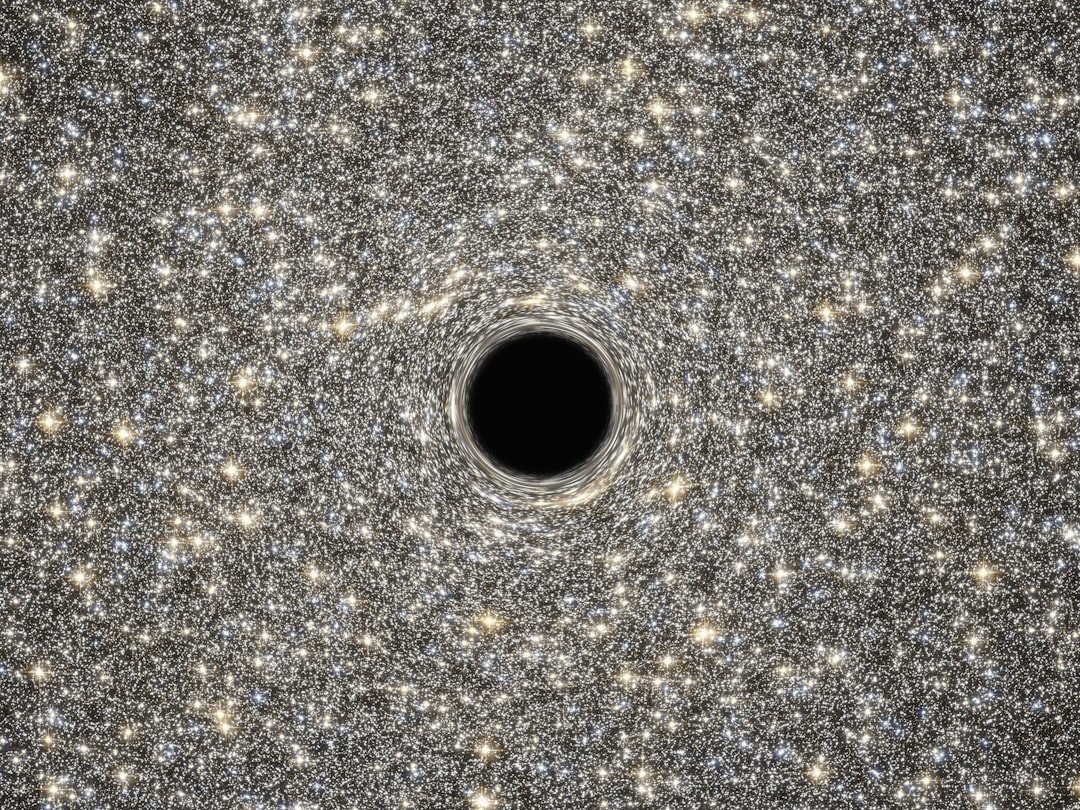
To fully appreciate the significance of J0218-0036's dramatic transformation, it's essential to understand the nature of active galactic nuclei. These extraordinary objects represent some of the most energetic phenomena in the universe, powered by supermassive black holes that can contain the mass of anywhere from hundreds of thousands to several billion suns. The NASA Astrophysics Division has extensively studied these cosmic engines, which serve as the beating hearts of many galaxies throughout the universe.
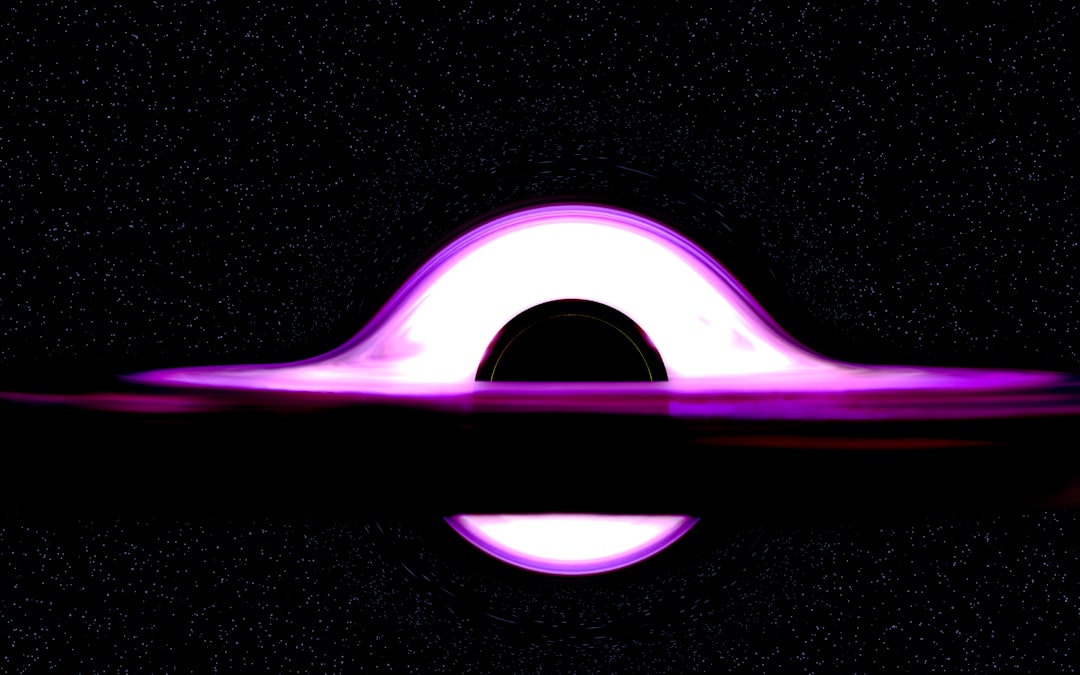
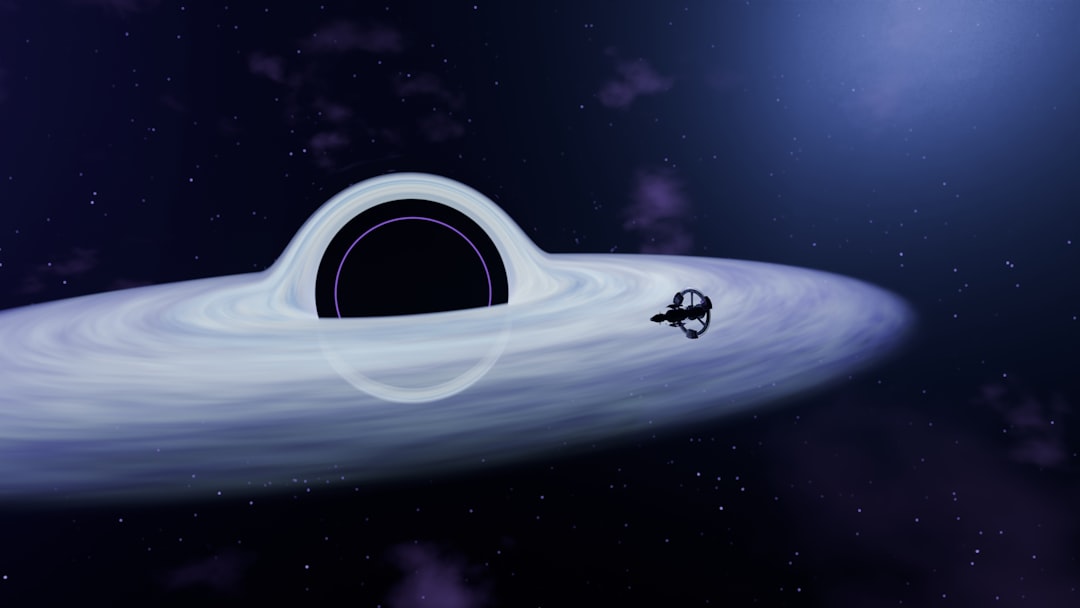
The mechanism behind an AGN's tremendous energy output is both elegant and violent. As matter—primarily gas and dust from the surrounding galaxy—spirals toward the supermassive black hole, it forms a swirling accretion disk. Within this disk, gravitational forces compress and accelerate the material to extraordinary speeds, often approaching a significant fraction of the speed of light. The intense friction generated within the accretion disk heats the material to millions of degrees, causing it to emit radiation across virtually the entire electromagnetic spectrum, from radio waves to X-rays and gamma rays.
Under normal circumstances, AGN maintain relatively stable brightness levels over extended periods. While fluctuations do occur, they typically amount to variations of no more than 30 percent and unfold over timescales of thousands to tens of thousands of years. This stability reflects a relatively steady supply of material feeding the central black hole—a cosmic conveyor belt of gas and dust that sustains the AGN's prodigious energy output. The dramatic departure from this pattern observed in J0218-0036 immediately signaled to astronomers that something extraordinary was occurring.
Unprecedented Observations: Documenting a Galactic Transformation
The discovery of J0218-0036's rapid dimming emerged from a systematic comparison of astronomical surveys spanning two decades. Initial observations captured by the Sloan Digital Sky Survey in the early 2000s showed the galaxy as a bright, active system with a luminous core characteristic of an energetic AGN. However, when astronomers examined more recent images obtained using the Hyper Suprime-Cam on the Subaru Telescope—one of the world's most powerful wide-field imaging instruments—they were stunned to discover that the galaxy had faded dramatically.
The observational campaign required sophisticated techniques to separate the brightness contribution of the AGN from the light emitted by the galaxy's stellar population. This process, known as photometric decomposition, allows astronomers to isolate the variable component associated with the black hole's activity from the more stable light produced by the galaxy's stars. Through careful analysis of multi-wavelength observations spanning both optical and infrared wavelengths, the research team was able to definitively attribute the dimming to changes in the AGN itself rather than obscuration by intervening material.
"It is fascinating that an active galactic nucleus can change its brightness so dramatically over such a short period of time, and that this fading appears to be caused by a large change in the accretion rate onto the supermassive black hole," explained Tomoki Morokuma, who led the international research collaboration. "Using wide-field survey data, such as those from Hyper Suprime-Cam, we hope to discover more objects like this and learn how the activity of supermassive black holes shuts down and restarts."
The measurements revealed that between 2002 and 2023, the galaxy's central region dimmed to approximately one-twentieth of its previous brightness. Even more remarkably, detailed analysis showed that the most dramatic decline occurred over a concentrated period of just seven years, during which the accretion rate—the speed at which material falls into the black hole—plummeted to roughly one-fiftieth of its earlier level. This represents one of the most rapid transitions ever documented in an AGN system.
Starving the Beast: The Mystery of Interrupted Black Hole Feeding
The central question confronting astronomers is straightforward yet profound: what could cause a supermassive black hole to so rapidly lose access to its fuel supply? The research team systematically evaluated multiple hypotheses to explain the dramatic dimming observed in J0218-0036. One possibility initially considered was that intervening dust clouds might be blocking our view of the AGN, creating the illusion of dimming without any actual change in the black hole's activity level.
However, this explanation was quickly ruled out through multi-wavelength analysis. If dust obscuration were responsible, it would preferentially block shorter wavelengths of light, particularly in the optical and ultraviolet portions of the spectrum, while allowing longer infrared wavelengths to pass through relatively unimpeded. The observations showed consistent dimming across all wavelengths, strongly indicating that the change originates from within the AGN itself rather than from external obscuration.
The most compelling explanation points to a genuine decline in the mass accretion rate—the amount of material flowing into the black hole per unit time. But what could interrupt this cosmic feeding process? Several mechanisms might be at play:
- Depletion of Local Gas Reserves: The supermassive black hole may have consumed most of the readily available gas in its immediate vicinity, creating a temporary "fuel shortage" until new material can be transported inward from the outer regions of the galaxy.
- Disruption of Gas Inflow Channels: Gravitational interactions, stellar winds, or previous episodes of AGN activity might have disrupted the pathways through which gas normally flows toward the galactic center, effectively cutting off the supply chain.
- Feedback Mechanisms: The AGN itself may have generated powerful outflows or radiation pressure during its active phase that expelled or heated surrounding gas, temporarily halting further accretion.
- Orbital Dynamics: Changes in the orbital configuration of gas clouds in the galactic nucleus might have altered their trajectories, preventing them from efficiently feeding the accretion disk.
Broader Implications for Galactic Evolution Theory
The discovery of J0218-0036's rapid transformation carries profound implications for our understanding of how galaxies and their central black holes co-evolve over cosmic time. The prevailing paradigm in astrophysics posits that supermassive black holes and their host galaxies grow in tandem through a complex feedback relationship. As described in research from the European Southern Observatory, black holes can regulate star formation in their host galaxies by heating or expelling gas that would otherwise collapse to form new stars—a process known as AGN feedback.
However, most theoretical models have assumed that these processes unfold gradually over timescales of millions of years. The rapid changes observed in J0218-0036 suggest that the relationship between black holes and galaxies may be far more dynamic and variable than previously thought. If supermassive black holes can switch between active and quiescent states on timescales of mere decades or centuries, it implies a much more episodic and turbulent evolutionary history for galactic nuclei.
This finding also has important implications for understanding the population of dormant supermassive black holes observed in many nearby galaxies, including our own Milky Way. If AGN can shut down and restart on relatively short timescales, it suggests that many galaxies we currently observe as inactive may simply be in a temporary quiescent phase, potentially reactivating when new fuel becomes available. Research from the James Webb Space Telescope is beginning to reveal populations of these "sleeping giants" in unprecedented detail.
Future Directions: Hunting for More Rapidly Changing AGN
The discovery of J0218-0036 opens exciting new avenues for astronomical research. The research team has emphasized that wide-field imaging surveys, such as those conducted by the Subaru Telescope's Hyper Suprime-Cam and upcoming facilities like the Vera C. Rubin Observatory, will be crucial for identifying additional examples of rapidly changing AGN. By building a larger sample of such objects, astronomers can begin to understand whether J0218-0036 represents a rare anomaly or a previously overlooked but common phase in AGN evolution.
Future observations will focus on several key questions. First, will J0218-0036's AGN remain dormant, or might it reactivate if new fuel becomes available? Continued monitoring of this system over the coming years and decades will provide crucial insights into the cyclical nature of black hole feeding. Second, what are the detailed physical mechanisms that can so rapidly interrupt gas inflow to the galactic center? Advanced simulations and higher-resolution observations may help identify the specific processes at work.
Additionally, astronomers are interested in understanding how common these rapid transitions might be across different types of galaxies and cosmic epochs. Are they more frequent in certain environments or at particular stages of galactic evolution? The answers to these questions will help refine our models of how galaxies grow, evolve, and ultimately reach their current states throughout the history of the universe.
As we continue to probe the dynamic universe revealed by modern astronomical surveys, discoveries like the rapid dimming of J0218-0036 remind us that the cosmos remains full of surprises. These observations challenge our assumptions, refine our theories, and ultimately deepen our understanding of the magnificent celestial machinery that governs the evolution of galaxies across billions of years of cosmic time. The story of this distant, fading galaxy is far from over—it has only just begun to illuminate the complex and fascinating relationship between supermassive black holes and the galaxies they call home.