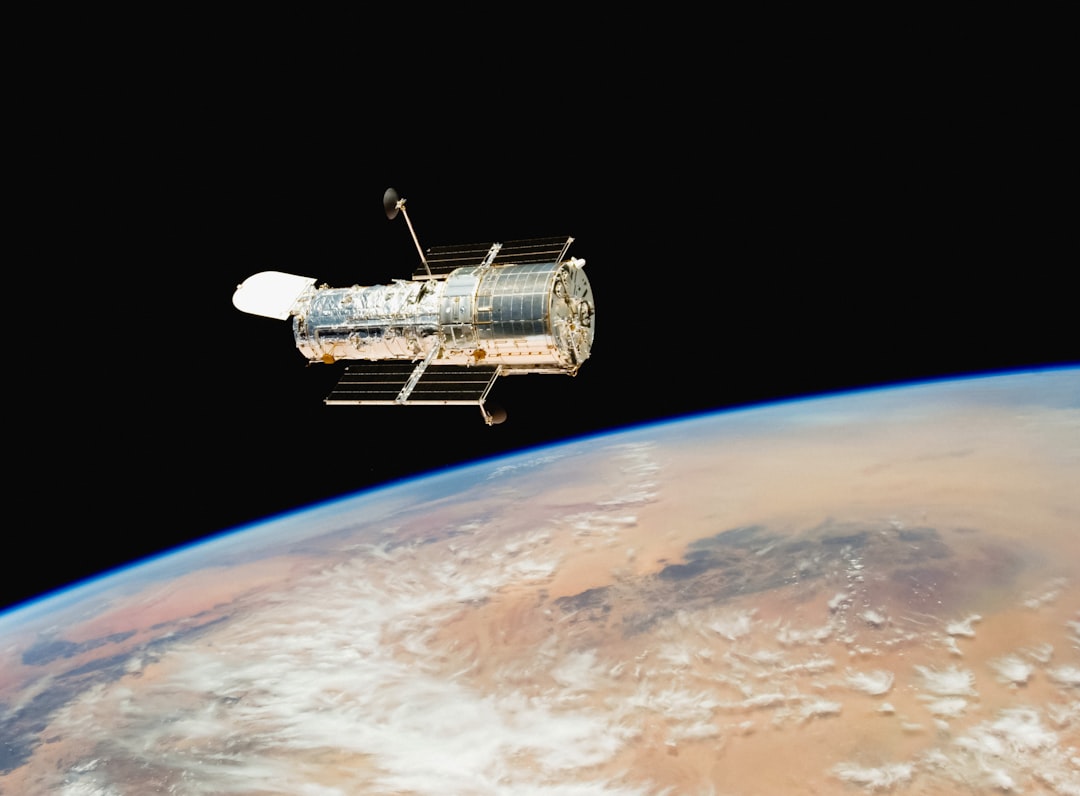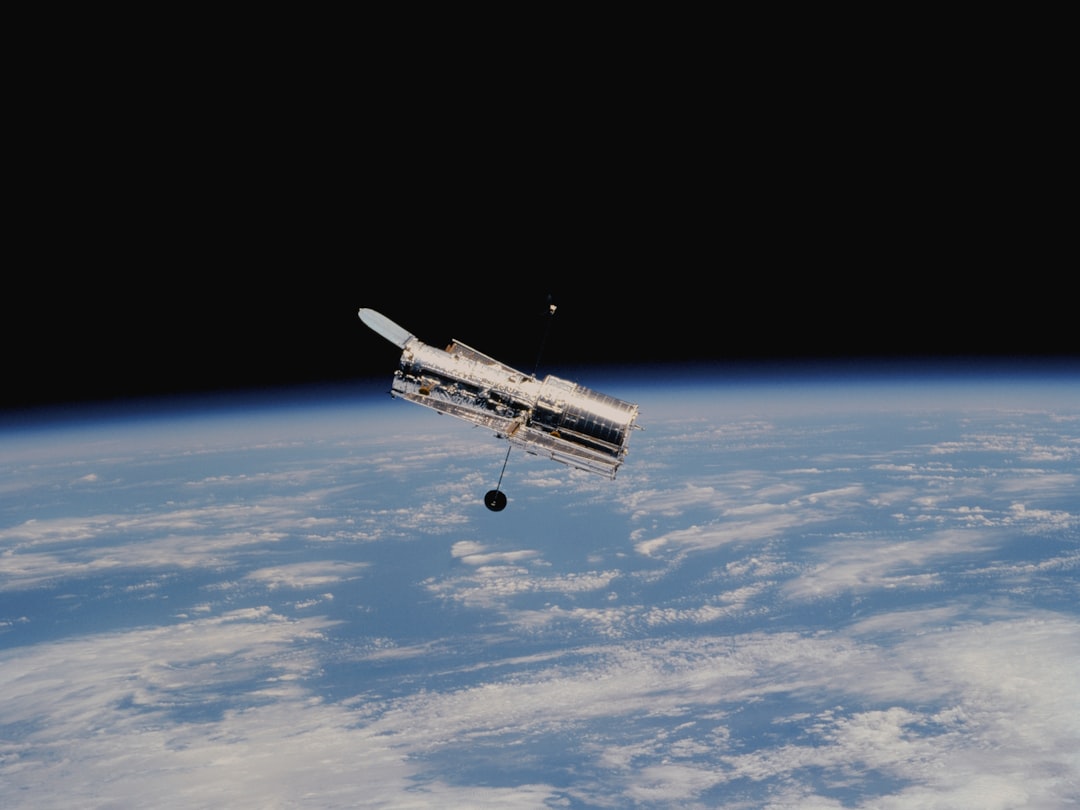
The pristine darkness that has inspired humanity for millennia faces an unprecedented threat from two ambitious space ventures that could fundamentally transform—and potentially devastate—our view of the cosmos. SpaceX's proposal to deploy one million satellites for artificial intelligence data processing, combined with Reflect Orbital's plan to launch 50,000 orbital mirrors for commercial sunlight delivery, has triggered an international outcry from the world's leading astronomical institutions. These proposals, currently under review by the United States Federal Communications Commission (FCC), represent what many scientists consider an existential crisis for ground-based astronomy and the natural night environment that billions of organisms—including humans—depend upon for survival.
The scale of these proposals is staggering and difficult to comprehend. To put this in perspective, humanity has launched approximately 15,000 satellites since the dawn of the space age in 1957. SpaceX alone now proposes to increase that number by two orders of magnitude with a single constellation. The Royal Astronomical Society (RAS), the European Southern Observatory (ESO), and the International Astronomical Union (IAU) have all submitted formal objections to the FCC, warning that approval of these plans would constitute an irreversible transformation of Earth's orbital environment and the night sky itself.
The Unprecedented Scale of SpaceX's AI Satellite Constellation
SpaceX's original Starlink constellation was designed to consist of approximately 12,000 satellites to provide global broadband internet coverage—a number that already raised concerns among astronomers worldwide. The new proposal, however, dwarfs those initial plans by requesting authorization for one million satellites in low Earth orbit (LEO). This exponential expansion isn't driven by telecommunications needs but rather by the computational demands of artificial intelligence systems, reflecting Elon Musk's recent efforts to integrate SpaceX with his AI venture, xAI.
The concept of space-based data centers represents a novel approach to addressing the massive energy and cooling requirements of AI computing infrastructure. By positioning data centers in the vacuum of space, companies could theoretically eliminate cooling costs and tap into abundant solar energy. However, this innovation comes at an astronomical cost to astronomy itself. According to detailed analysis by the ESO, even with SpaceX's proprietary DarkSat coating technology—specifically engineered to reduce satellite reflectivity—thousands of these satellites would remain visible to the naked eye at any given moment from any location on Earth.
The impact on professional astronomy would be catastrophic. Research conducted using the Very Large Telescope (VLT) in Chile suggests that this facility alone could lose 10% of its total observational data due to satellite trails crossing the field of view. This isn't merely an inconvenience—it represents the permanent loss of irreplaceable scientific data. Transient astronomical phenomena such as supernovae, gamma-ray bursts, or potentially hazardous near-Earth objects could be obscured during their brief visibility windows, with no opportunity for recovery or re-observation.
Reflect Orbital's Controversial Sunlight-on-Demand Service
While SpaceX's satellite constellation represents an unintended consequence of technological advancement, Reflect Orbital's proposal deliberately aims to alter the natural day-night cycle. The company envisions deploying 50,000 orbital mirrors capable of reflecting sunlight to specific terrestrial targets after sunset, effectively providing "daylight as a service" to paying customers. Each mirror would create a beam four times brighter than the full Moon, according to calculations by the Royal Astronomical Society.
The physics of this proposal reveals its deeply problematic nature. Photons don't travel in neat, contained beams through Earth's atmosphere—they scatter, refract, and disperse through atmospheric particles, water vapor, and aerosols. This phenomenon, known as Rayleigh scattering, would transform each targeted beam into a widespread glow affecting vast areas far beyond the intended target zone. RAS scientists estimate that the cumulative effect of Reflect Orbital's constellation would increase the overall brightness of the night sky by 300-400% compared to natural conditions, effectively eliminating true darkness across much of the planet.
"These proposals would not only have a disastrous impact on the science of astronomy, they would also hinder the right of everybody on Earth to enjoy the night sky. That is unacceptable. The stars above us are a valued part of our human heritage—deploying more than one million exceptionally bright satellites would utterly destroy this and permanently scar the natural landscape."
—Dr. Robert Massey, Deputy Executive Director, Royal Astronomical Society
Ecological and Human Health Implications
The consequences of artificially illuminating the night extend far beyond the astronomical community's concerns. Nocturnal ecosystems, which have evolved over millions of years in response to the predictable cycle of day and night, face potential collapse under constant illumination. Research published in ecological journals has documented how artificial light at night disrupts fundamental biological processes across countless species.
The impacts include:
- Disrupted Migration Patterns: Billions of birds rely on celestial navigation during their annual migrations. Artificial sky glow interferes with their ability to use stars for orientation, leading to increased mortality and failed migrations.
- Insect Population Collapse: Nocturnal insects, which form the foundation of many food webs, experience disorientation and exhaustion when exposed to artificial light, contributing to the already alarming global decline in insect populations.
- Marine Ecosystem Disruption: Sea turtle hatchlings use natural moonlight to navigate from beaches to the ocean. Artificial illumination causes them to move inland instead, resulting in mass mortality events.
- Predator-Prey Imbalance: The natural balance between nocturnal predators and prey depends on darkness. Artificial illumination favors visual predators, potentially causing ecosystem-wide cascading effects.
Human health research adds another dimension to these concerns. Studies conducted by dark-sky advocacy organizations and medical researchers have established clear links between artificial light at night and disrupted circadian rhythms, leading to increased risks of sleep disorders, depression, obesity, diabetes, and certain cancers. The proposed satellite constellations would make it virtually impossible for billions of people to experience natural darkness, potentially creating a global public health crisis.
The Regulatory Challenge and Geopolitical Dimensions
The fate of Earth's night sky now rests in the hands of American regulators at the FCC, creating a troubling geopolitical dynamic. While the RAS and ESO represent some of the world's most prestigious astronomical institutions, they are British and European organizations with no direct authority over U.S. regulatory decisions. This situation highlights a fundamental gap in international space governance—despite the global impact of these proposals, the decision-making power rests with a single national regulatory body.
The IAU, which maintains a presence in the United States through its Center for the Protection of the Dark and Quiet Sky from Satellite Constellation Interference, has advocated for stronger protections, but its recommendations carry no binding authority. Previous efforts to establish international frameworks for managing the orbital environment and protecting astronomical observations have made limited progress, hampered by competing national interests and the rapid pace of commercial space development.
This regulatory vacuum reflects broader challenges in space law. The Outer Space Treaty of 1967 established basic principles for space activities but predates the era of massive satellite constellations and commercial space ventures. No international framework currently exists to balance the rights of nations to access space with the collective interest in preserving the orbital environment and the natural night sky.
Economic Viability and Market Uncertainties
Despite the alarming scale of these proposals, significant economic questions remain about their feasibility. SpaceX, while financially robust and preparing for a potential initial public offering, has yet to demonstrate that space-based AI data centers offer genuine advantages over terrestrial alternatives. The costs of launching, maintaining, and eventually deorbiting one million satellites would be astronomical, potentially reaching hundreds of billions of dollars over the constellation's lifetime.
The technical challenges are equally daunting. Data centers require not just power and cooling but also robust data transmission capabilities, radiation shielding for sensitive electronics, and regular maintenance or replacement. While space offers abundant solar energy and the vacuum of space provides natural cooling, the difficulty of accessing and servicing orbital infrastructure may outweigh these advantages. Additionally, the latency introduced by satellite-based computing could limit applications requiring real-time processing.
Reflect Orbital faces even greater market uncertainty. The company's business model assumes sufficient demand for on-demand sunlight to justify the enormous capital expenditure of launching and operating 50,000 orbital mirrors. Potential applications might include extending agricultural growing seasons, providing emergency lighting during natural disasters, or illuminating remote work sites. However, the market size for these services remains speculative, and the company has yet to demonstrate customer demand at the scale necessary to support such an ambitious infrastructure investment.
The Path Forward: Balancing Innovation and Preservation
The current situation demands urgent action from multiple stakeholders. Astronomers and environmental advocates are calling for comprehensive environmental impact assessments before any approval of these proposals. Such assessments should evaluate not just the direct effects on astronomical observations but also the broader ecological and human health consequences of fundamentally altering Earth's light environment.
Several potential mitigation strategies exist, though none would fully eliminate the impact:
- Orbital Zoning: Establishing protected orbital zones free from satellite traffic during critical observing periods
- Advanced Coatings: Continued development of materials that minimize satellite reflectivity across all wavelengths
- Satellite Design Requirements: Mandating that new satellites incorporate features to reduce their visual and radio frequency impact
- Coordination Systems: Implementing real-time systems allowing observatories to coordinate with satellite operators to avoid conflicts
- International Frameworks: Developing binding international agreements to regulate orbital activities affecting the global commons
However, many astronomers argue that mitigation measures, while helpful, cannot address the fundamental problem of orbital overcrowding. The American Astronomical Society has emphasized that the sheer number of proposed satellites would overwhelm any mitigation strategy, making some degree of permanent impact inevitable.
A Call to Action for Global Citizens
The decisions made in the coming months will shape the night sky for generations to come. While the immediate regulatory authority rests with the FCC, public pressure can influence outcomes. American citizens concerned about preserving the night sky can submit comments to the FCC during public comment periods, contact their congressional representatives, and support organizations advocating for dark sky preservation.
International pressure also matters. Diplomatic channels, international scientific organizations, and public awareness campaigns can highlight the global nature of this issue. The night sky belongs to all humanity—it has inspired our ancestors, guided our navigation, and sparked our curiosity about the cosmos for countless generations. The decision to fundamentally alter or potentially eliminate this shared heritage should not be made lightly or by a single regulatory body acting alone.
As Dr. Massey emphasized, the stars above us represent a valued part of our human heritage. Whether future generations will enjoy the same awe-inspiring view of the cosmos that has been humanity's birthright since the dawn of our species now hangs in the balance, awaiting decisions by regulators who must weigh commercial interests against the preservation of one of nature's most profound gifts—the dark, star-filled night sky.