Rapid Spin of Jupiter Causes Irregular Atmospheric Moisture Distribution
A new investigation in PNAS explores how atmospheric moisture patterns on Jupiter reveal crucial insights into the gas giant's internal structure and ...
Explore the cosmos through in-depth articles about astronomy, astrophysics, and space exploration

A new investigation in PNAS explores how atmospheric moisture patterns on Jupiter reveal crucial insights into the gas giant's internal structure and ...

As humanity expands toward lunar bases and deep space exploration, scientists face numerous obstacles including engineering hurdles and understanding ...
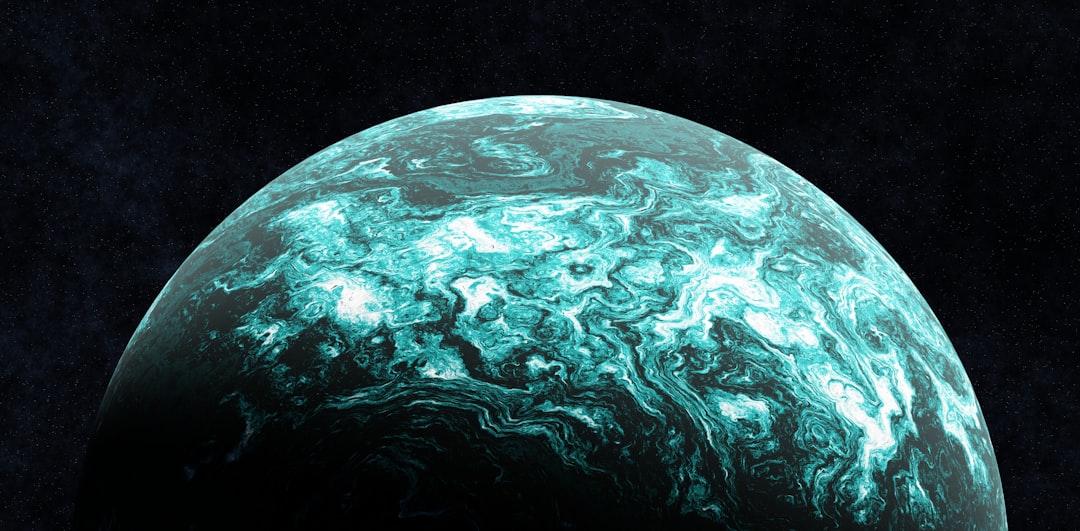
Researchers explore how atmospheric currents near the mid-latitudes of massive gaseous worlds could reveal insights into how these celestial bodies fo...
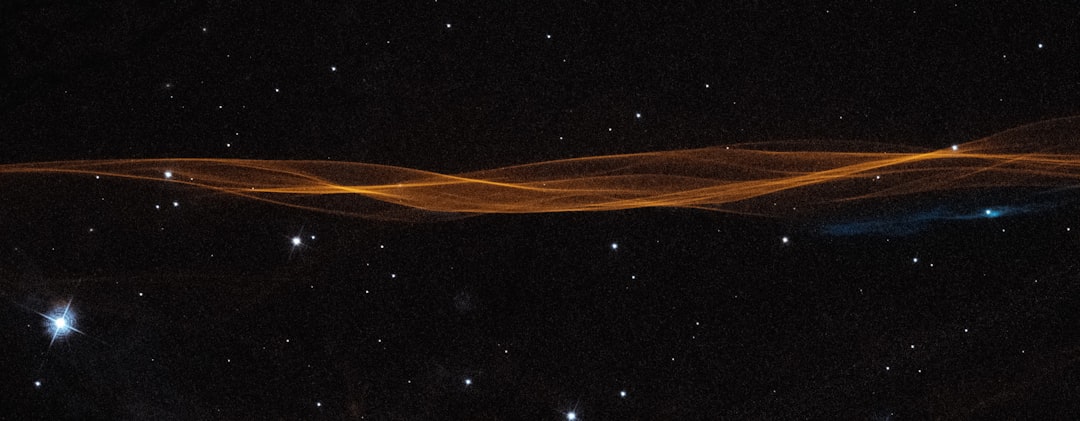
A recent paper submitted to *Astronomy & Astrophysics* explores how researchers are using stellar explosion data from 10 million years ago to understa...

Why should researchers examine violent eruptions on Earth's sister planet? A new investigation in JGR: Planets explores this question through computat...

Creating new suns appears simple: hydrogen-rich masses compress gravitationally, breaking apart into fragments that develop into young stellar bodies....
A forthcoming publication in *The Astronomical Journal* explores how variations in stellar luminosity could determine whether distant worlds retain li...
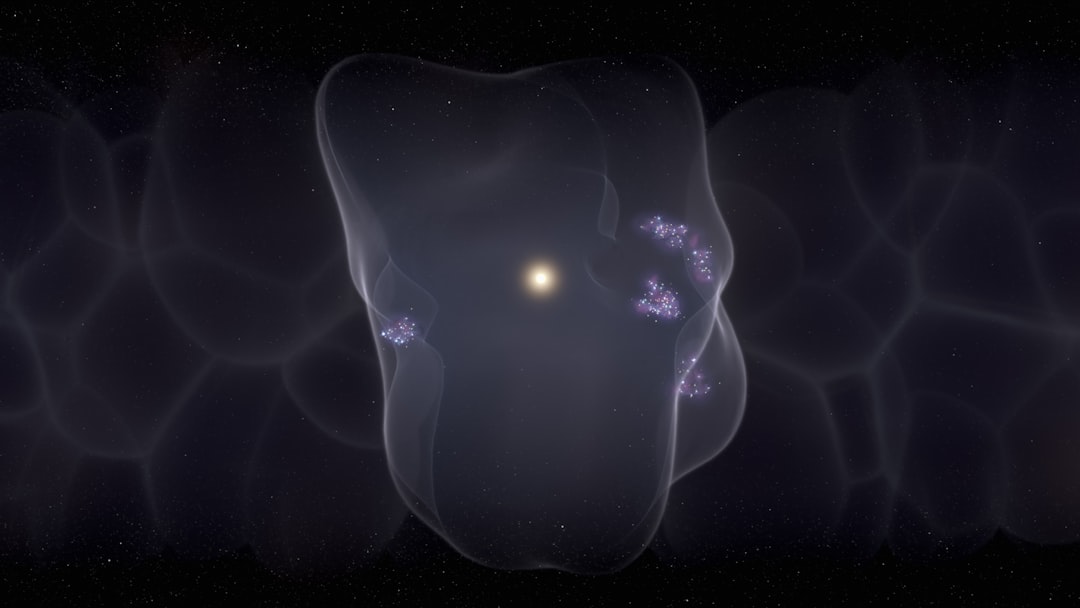
Analysis of stellar radiation reveals characteristics like heat, chemical makeup, and maturity. However, the aging giant star orbiting black hole Gaia...
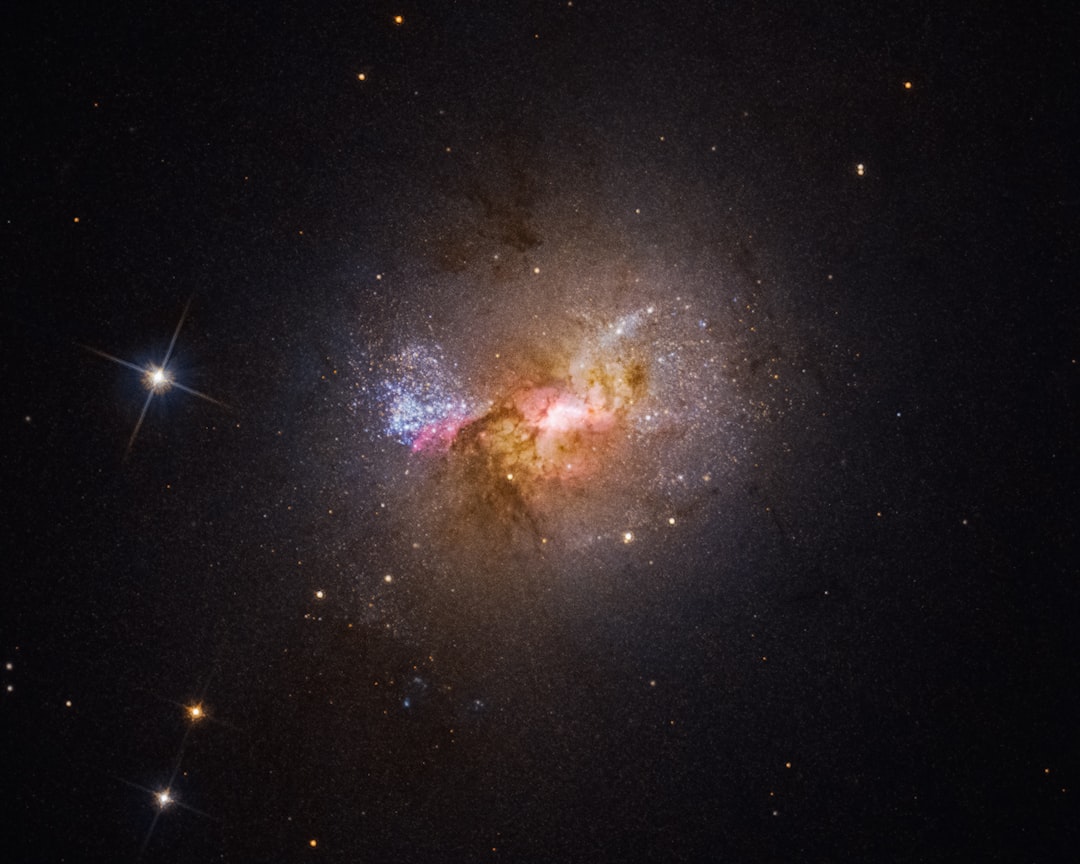
Galaxy maturation depends on their cosmic surroundings, new findings reveal. ICRAR's Deep Extragalactic Visible Legacy Survey studied how environmenta...
A team of scientists from Japan's RIKEN iTHEMS institute has achieved a groundbreaking feat by developing an extraordinarily accurate digital represen...
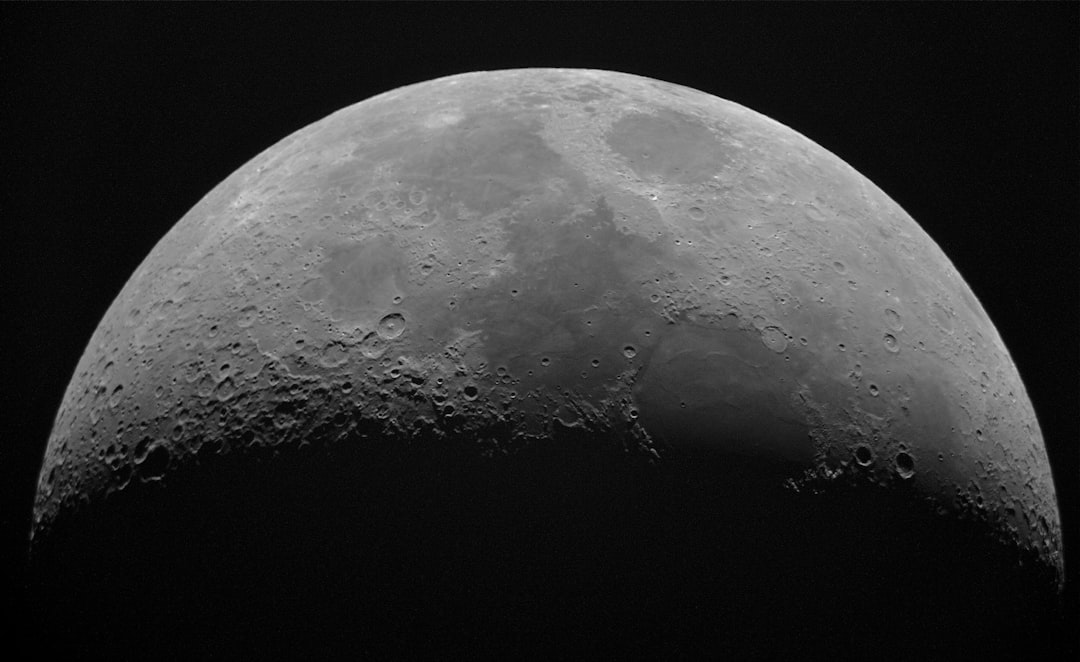
Mimas, orbiting Saturn, resembles a 400-kilometer cratered sphere similar to Star Wars' space station. Despite its lifeless appearance, this celestial...
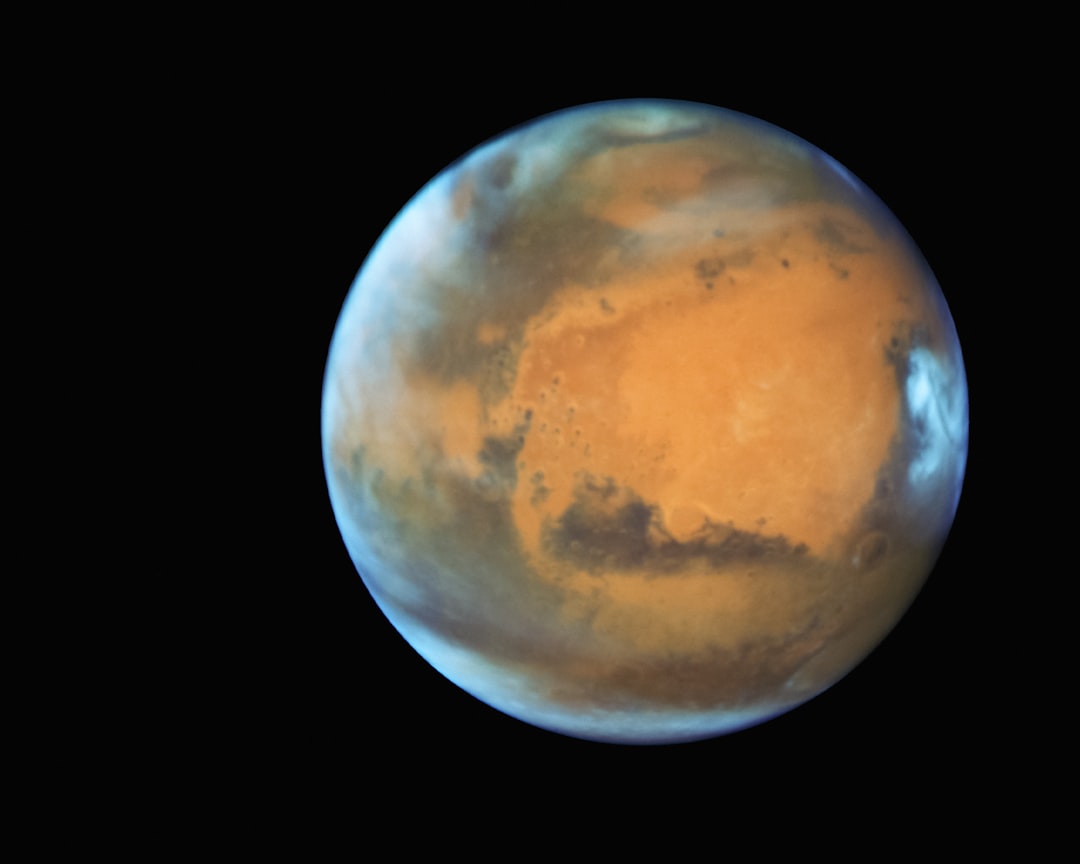
Meteoroids continuously bombard our satellite's surface due to lack of protective atmosphere, generating brilliant luminous bursts detectable from our...