As we transition into 2026, the celestial stage is set for one of the most spectacular years in recent astronomical history. Following the remarkable cosmic displays of 2025—including the unprecedented visit from interstellar comet 3I/ATLAS and a parade of naked-eye comets—the coming year promises an equally impressive lineup of astronomical phenomena. From the highly anticipated return of total solar eclipses to rare planetary alignments and the continuing drama of Solar Cycle 25, amateur astronomers and professional observers alike will find abundant opportunities to witness the universe's grandest spectacles.
The year 2026 marks a pivotal moment in several celestial cycles. Jupiter's major moons enter their fascinating mutual eclipse season, creating intricate shadow plays visible through modest telescopes. Meanwhile, our Sun continues its energetic phase, producing dramatic sunspots and auroral displays that have captivated observers worldwide. Perhaps most significantly, after a hiatus of total solar eclipses visible from populated regions, August 12th will bring totality to Iceland, Greenland, and northern Spain—offering millions the chance to experience one of nature's most awe-inspiring phenomena.
This comprehensive guide explores the premier astronomical events of 2026, providing detailed timing, visibility information, and scientific context for each phenomenon. Whether you're a seasoned astrophotographer or a casual stargazer, understanding these celestial mechanics enhances the viewing experience and connects us to the grand cosmic choreography unfolding above our heads.
The Crown Jewel: August's Total Solar Eclipse
The total solar eclipse of August 12, 2026 represents the year's most anticipated astronomical event. This eclipse will carve a path of totality across some of Earth's most dramatic landscapes, beginning over the Arctic Ocean before sweeping across western Greenland, touching Iceland, and making landfall in northern Spain. According to NASA's Eclipse Website, the path of totality will be approximately 294 kilometers wide at its maximum, with the duration of totality reaching an impressive 2 minutes and 18 seconds near the Icelandic coast.
What makes this eclipse particularly significant is its accessibility to European observers. Major Spanish cities including Bilbao, Palma de Mallorca, and Valencia lie within or near the path of totality, potentially allowing millions to witness this rare phenomenon. The last total solar eclipse visible from mainland Europe occurred in 1999, making this a once-in-a-generation opportunity for many observers.
"Total solar eclipses provide unique opportunities for both professional research and public engagement with astronomy. The 2026 eclipse's path across populated regions of Europe will likely inspire a new generation of astronomers and space enthusiasts," notes Dr. Fred Espenak, retired NASA astrophysicist and eclipse expert.
The eclipse occurs during the continuing activity of Solar Cycle 25, meaning observers may witness spectacular coronal streamers and possibly solar prominences during totality. The Space Weather Prediction Center indicates that solar activity should remain elevated through 2026, potentially creating a more visually dramatic corona than eclipses occurring during solar minimum.
Lunar Eclipses: Earth's Shadow on Display
While solar eclipses capture headlines, 2026 also delivers impressive lunar eclipse events. The total lunar eclipse of March 3rd offers exceptional viewing opportunities for observers across North and South America, the Pacific region, Australia, and eastern Asia. With totality lasting approximately 56 minutes and 26 seconds, this eclipse provides ample time for observation, photography, and scientific study.
During totality, the Moon takes on its characteristic reddish hue—often called a "blood moon"—as sunlight filtered through Earth's atmosphere illuminates the lunar surface. The exact color depends on atmospheric conditions, particularly the amount of volcanic dust and aerosols present. Recent volcanic activity can create darker, more dramatic eclipses, while clearer atmospheric conditions produce brighter, copper-colored moons.
The year's second lunar eclipse on August 28th presents a deep partial eclipse, with 93% of the Moon's diameter entering Earth's umbral shadow. While not technically total, this near-miss will appear dramatically dark to observers across Africa, Europe, and the Americas. Such deep partial eclipses can sometimes appear more striking than shallow total eclipses, as the contrast between the shadowed and illuminated portions creates a distinctive crescent appearance.
Understanding Eclipse Mechanics
The occurrence of exactly four eclipses in 2026—two solar and two lunar—represents the minimum number possible in any calendar year. This happens because eclipse seasons, periods when the Sun, Earth, and Moon align sufficiently for eclipses to occur, are separated by approximately six months. The NASA Goddard Space Flight Center maintains detailed predictions and explanations of eclipse mechanics, including the complex orbital dynamics that determine when and where these events occur.
Planetary Phenomena and Celestial Alignments
The wandering planets—planetai in ancient Greek—create numerous impressive configurations throughout 2026. Among the year's highlights, planetary conjunctions offer stunning visual displays requiring only the naked eye or binoculars to appreciate. The close approach of Saturn and Mercury on April 20th presents a challenging but rewarding observation opportunity, as the two planets will appear separated by less than one degree in the evening twilight.
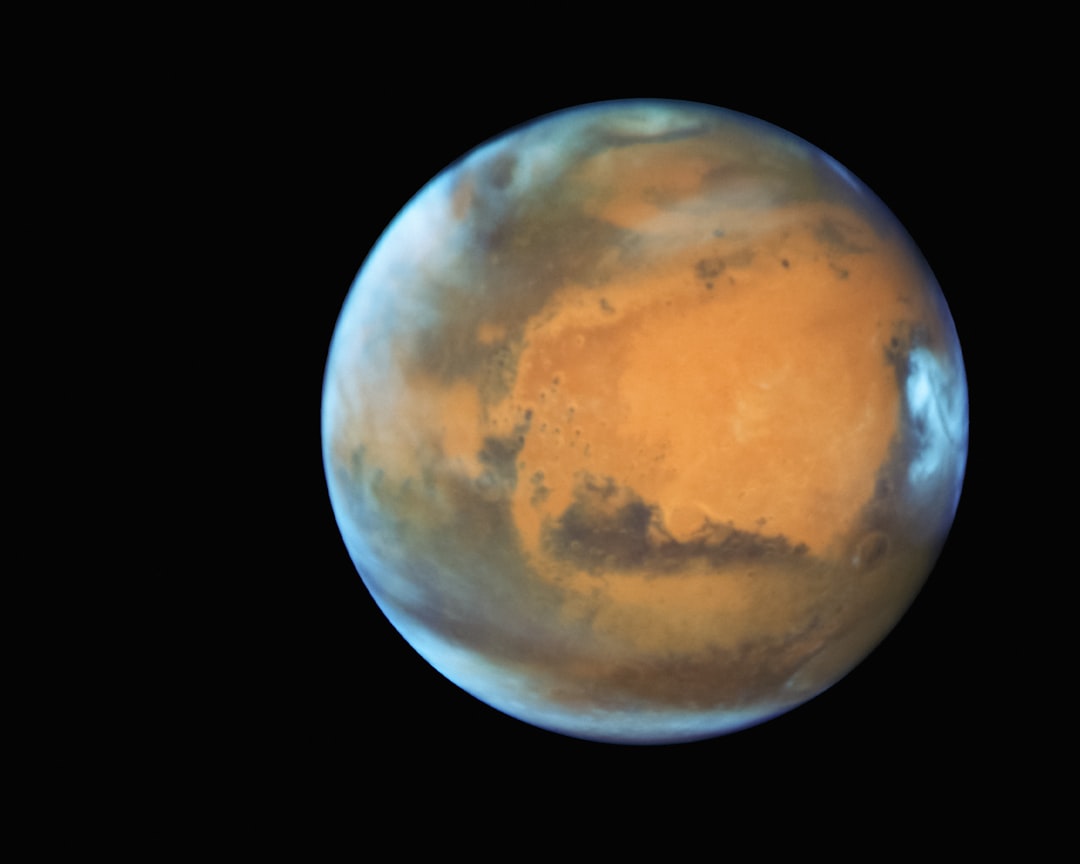
November 2026 emerges as an exceptional month for planetary observers, with multiple groupings of planets and bright stars creating memorable celestial scenes. On November 2-3, the waning Moon passes through a line-up including Mars, Jupiter, and the bright star Regulus in the pre-dawn sky. Just days later, on November 7th, Venus joins the Moon and Spica for a striking dawn configuration. These multi-object alignments occur when Earth's viewing geometry places several celestial objects along similar sight lines—purely coincidental arrangements that nonetheless create aesthetically pleasing patterns.
Jupiter's Mutual Phenomena Season
One of 2026's most scientifically valuable events occurs when Jupiter's Galilean moons enter their mutual eclipse and occultation season. This phenomenon happens twice during Jupiter's 12-year orbit when Earth passes through the plane of the Jovian moons' orbits. During these periods, the moons cast shadows on each other and pass directly in front of one another as seen from Earth—events invisible to the naked eye but readily observable through amateur telescopes.
These mutual events serve important scientific purposes. By precisely timing when one moon disappears behind or emerges from another, astronomers can refine orbital parameters and improve our understanding of the Jovian system's dynamics. Amateur astronomers contribute valuable observations to professional databases, as documented by organizations like the Astronomical League, making this an excellent opportunity for citizen science participation.
Lunar Occultations: The Moon's Cosmic Hide-and-Seek
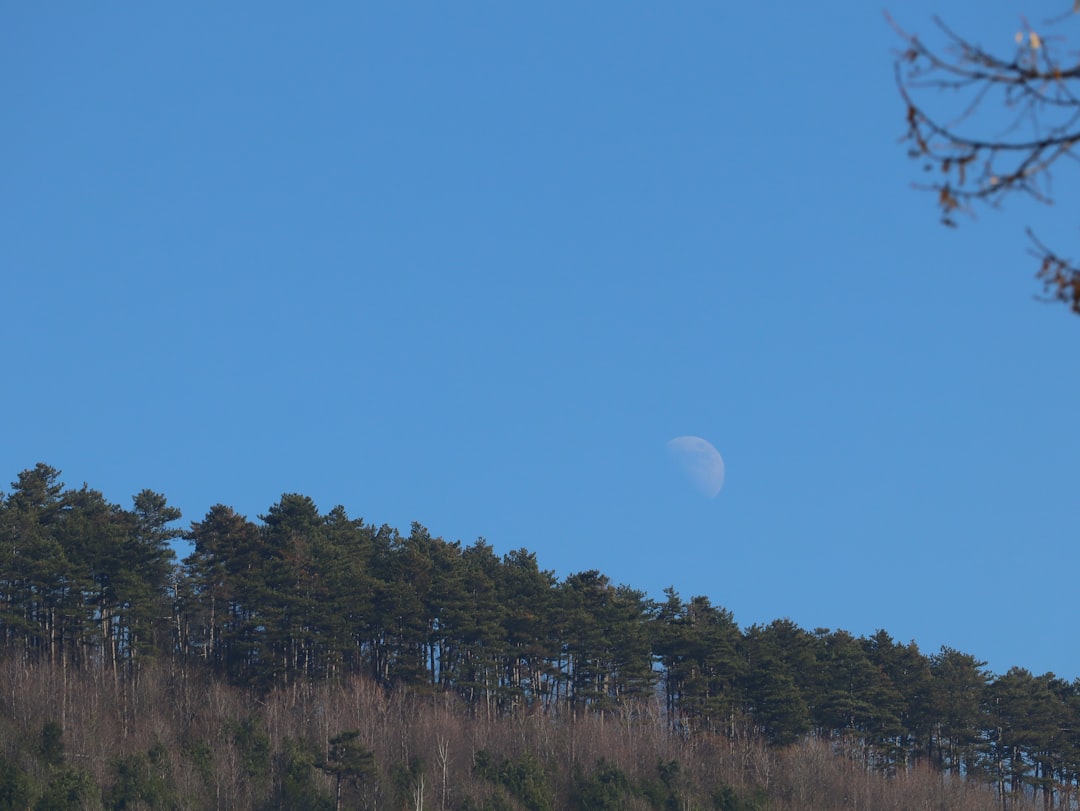
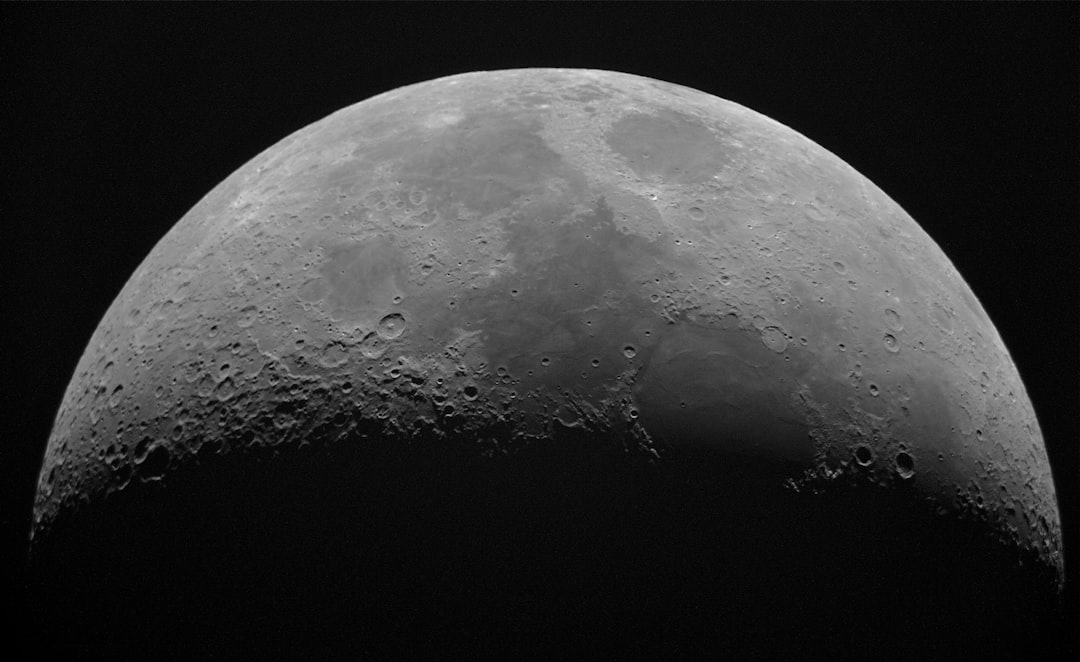
Throughout 2026, the Moon will pass in front of numerous celestial objects in events called occultations. These phenomena occur because the Moon's apparent size in our sky—roughly half a degree—means it frequently passes in front of background stars and occasionally planets. The year features eleven planetary occultations, with Jupiter being occulted four times, Mars three times, Venus three times, and Mercury once.
The October 6th occultation of Jupiter by the Moon presents an exceptional viewing opportunity for observers in eastern North America. Jupiter will disappear behind the Moon's dark limb and reemerge approximately an hour later from behind the bright limb. Through telescopes, observers may see Jupiter's moons disappear and reappear at different times, creating a complex choreography of celestial hide-and-seek.
Venus occultations on June 17th and September 14th offer particularly striking visual displays. Venus's brilliant magnitude makes it easily visible even in twilight, and watching it disappear behind the Moon's limb—and later reappear—creates an unforgettable observing experience. These events also provide excellent opportunities for astrophotography, as the brightness contrast between Venus and the Moon can be captured with relatively simple equipment.
Stellar Occultations and Star Clusters
Beyond planets, the Moon regularly occults bright stars during its monthly journey around Earth. In 2026, Regulus and Antares—two of the four first-magnitude stars the Moon can occult—experience multiple occultations visible from various locations worldwide. These events occur because the Moon's orbital path carries it through the zodiacal constellations where these bright stars reside.
The Moon also makes monthly passes through two prominent star clusters: Messier 44 (the Beehive Cluster) and Messier 45 (the Pleiades). While the Moon doesn't always occult individual cluster members, its passage through these stellar groupings creates beautiful binocular viewing opportunities. The contrast between the Moon's silvery light and the delicate star clusters provides excellent subjects for wide-field astrophotography.
Meteor Showers: Cosmic Fireworks
The year 2026 brings favorable lunar conditions for two of the most reliable annual meteor showers. The Perseid meteor shower, peaking around August 12th, coincides with a new Moon, ensuring dark skies for optimal viewing. Under ideal conditions, the Perseids can produce 60-100 meteors per hour at peak, with many bright fireballs—meteors brighter than the planet Venus.
Similarly, the Geminid meteor shower in mid-December benefits from minimal lunar interference, with the Moon near new phase during peak activity. The Geminids often surpass the Perseids in meteor rates, sometimes producing over 120 meteors per hour under pristine dark-sky conditions. Unlike most meteor showers, which originate from cometary debris, the Geminids derive from asteroid 3200 Phaethon, giving their meteors distinctive characteristics including slower apparent velocities and different color profiles.
According to the International Meteor Organization, meteor shower observation remains one of the most accessible forms of astronomical research, with amateur observers contributing valuable data about meteor rates, brightness distributions, and shower activity profiles. The dark-sky conditions during 2026's major showers provide excellent opportunities for both casual observation and serious scientific contribution.
Cometary Visitors and Solar Activity
While bright comets remain unpredictable wildcards, Comet C/2025 R3 PanSTARRS shows promise for a brief but potentially impressive apparition in spring 2026. This comet will pass through the field of view of the Solar and Heliospheric Observatory (SOHO) spacecraft from April 22-26, offering unique opportunities for both spacecraft and ground-based observations. Comets passing close to the Sun often brighten dramatically, though predicting their exact brightness remains notoriously difficult.
The continuing activity of Solar Cycle 25 ensures that 2026 will feature abundant sunspot activity, solar flares, and geomagnetic storms capable of producing auroral displays at lower latitudes than typical. The solar maximum period, which peaked in 2024-2025, gradually declines through 2026 but maintains sufficient activity for regular solar phenomena. Observers should monitor space weather forecasts for aurora alerts, as coronal mass ejections can trigger spectacular auroral displays visible from mid-latitude locations.
The Lunar Nodal Cycle
An often-overlooked celestial cycle, the 18.6-year lunar nodal precession, continues its influence on lunar visibility and eclipse patterns. Following the major lunar standstill of 2025, when the Moon reached its maximum declination range, 2026 sees the beginning of the transition toward the minor standstill expected in May 2034. This cycle affects the Moon's maximum altitude in the sky, the timing and frequency of eclipses, and even has subtle influences on ocean tides.
This precession occurs because the Moon's orbital plane tilts approximately 5 degrees relative to Earth's orbital plane (the ecliptic). The intersection points of these planes—called nodes—slowly rotate, completing a full cycle every 18.6 years. Understanding this cycle helps predict long-term eclipse patterns and explains why eclipse frequencies vary over multi-year periods.
Observing Strategies and Resources
Successfully observing these celestial events requires preparation, appropriate equipment, and knowledge of optimal viewing conditions. For eclipse observation, proper solar filters remain absolutely essential—never look directly at the Sun without appropriate protection. The American Astronomical Society maintains guidelines for safe solar observation and lists reputable filter manufacturers.
For planetary observations and occultations, even modest telescopes reveal impressive detail. Jupiter's cloud bands, Saturn's rings, and the phases of Venus become apparent through instruments as small as 60mm aperture. Serious observers should consider joining local astronomy clubs, which often organize group observing sessions and provide access to larger telescopes and experienced mentors.
Digital planetarium software and mobile applications have revolutionized amateur astronomy by providing precise predictions of celestial events customized for any location. Programs like Stellarium, SkySafari, and NASA's Eyes on the Solar System allow observers to preview upcoming events, plan observations, and understand the geometric relationships creating these phenomena.
As we embark on this astronomical journey through 2026, the cosmos reminds us of the dynamic, ever-changing nature of our celestial neighborhood. From the drama of eclipses to the subtle dance of Jupiter's moons, from brilliant meteor showers to the unpredictable appearance of comets, the sky offers endless opportunities for wonder, discovery, and connection to the universe beyond our world. Whether you observe from a remote dark-sky site or your backyard, 2026 promises memorable celestial experiences for all who look up.